Is Face Oil Good For Oily Skin: Expert Tips For Balance
Face oil can be good for oily skin when you pick non-comedogenic, lightweight oils and use them right.
I’ve written about skin care for years and tested many products on different skin types. If you keep reading, you’ll learn exactly why is face oil good for oily skin, which oils help, which to avoid, and how to add oil into a simple, effective routine. My goal is to give clear, practical steps you can try tonight.

Is face oil good for oily skin? How oils actually work
Many people think oil makes oily skin worse. That is not always true. Is face oil good for oily skin depends on oil type and routine. Lightweight oils can signal your skin to slow down its own oil production. Clinical findings and dermatologist guidance support using non-comedogenic oils for certain oily skin types.
Why oils are misunderstood
Oils sit on the skin surface and can feel heavy. That feeling makes people assume more oil equals more breakouts. But skin reacts to signals. When you hydrate and use lightweight oil, your skin may reduce its oil output. The key is choosing the right oil and using the right amount.

Benefits of using face oil for oily skin
Oils can help oily skin in clear ways.
- Balance oil production by signaling skin to stop overproducing sebum.
- Strengthen the skin barrier, which helps retain moisture and reduce irritation.
- Provide anti-inflammatory ingredients that calm breakouts and redness.
- Deliver antioxidants and nutrients that help skin heal and look healthier.
These benefits show why is face oil good for oily skin for many people. Use oils as a step after water-based serums. Start small and observe changes.
Which face oils are best for oily skin
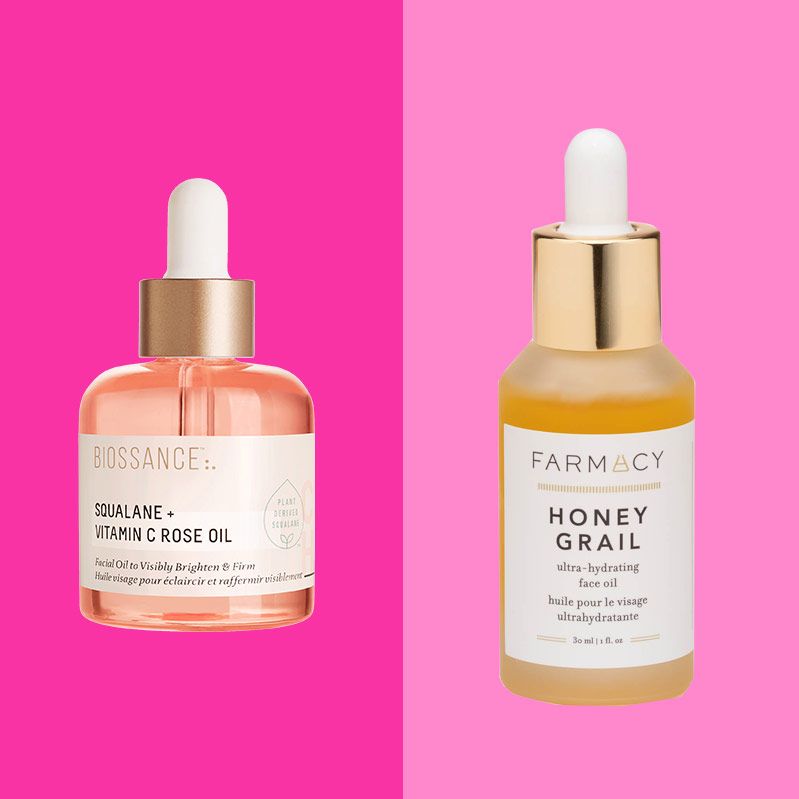
Not all oils are equal for oily skin. Pick non-comedogenic and light oils. Good options include:
- Squalane — very light, mimics skin lipids, rarely clogs pores.
- Hemp seed oil — balancing and anti-inflammatory, low comedogenic rating.
- Rosehip oil — lighter and rich in vitamin A and fatty acids; use at night.
- Grapeseed oil — a thin oil with antioxidant benefits.
Avoid heavy, comedogenic oils if you have acne-prone oily skin. Examples to be cautious with include coconut oil and some high-linoleic oils that feel greasy.
How to add face oil to a routine for oily skin
Start simple and test slowly. A sample routine:
- Cleanse with a gentle, non-stripping cleanser.
- Apply a water-based toner or serum to hydrate.
- Use a few drops of your chosen face oil as the final moisturizing step.
- If you use sunscreen in the morning, apply sunscreen over the oil or use oil at night.
Tips for success:
- Use 1–3 drops for the whole face at first.
- Pat oil into damp skin to lock in moisture.
- Patch test a new oil on your jawline for several days.

How to layer oils with other products
Layering matters with oily skin. Keep steps short and light.
- Apply water-based products first so they absorb.
- Use oil last to seal hydration.
- If using active ingredients like retinol or acids, introduce oil slowly to avoid irritation.
- Alternate nights for strong actives and oil if you experience sensitivity.
This approach helps if you wonder is face oil good for oily skin while using acne treatments.
When to avoid or be careful
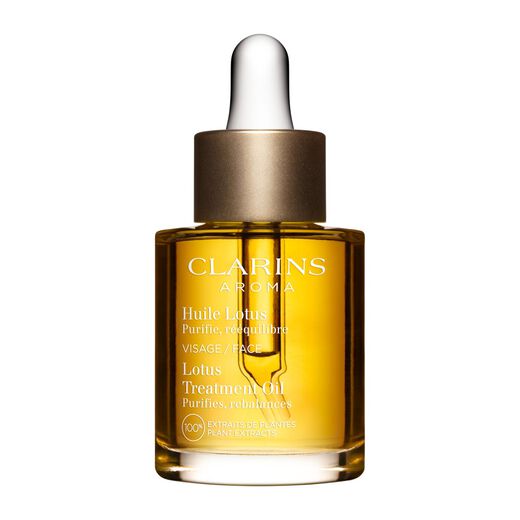
Face oil is not a magic fix for every case. Avoid or be cautious if:
- You have cystic acne that flares with oils.
- You reacted badly to oils before or have very sensitive skin.
- You are on prescription treatments that thin the skin.
If you are unsure, talk to a licensed dermatologist. Keep a journal of products and reactions for clearer decisions.
My personal experience and practical tips
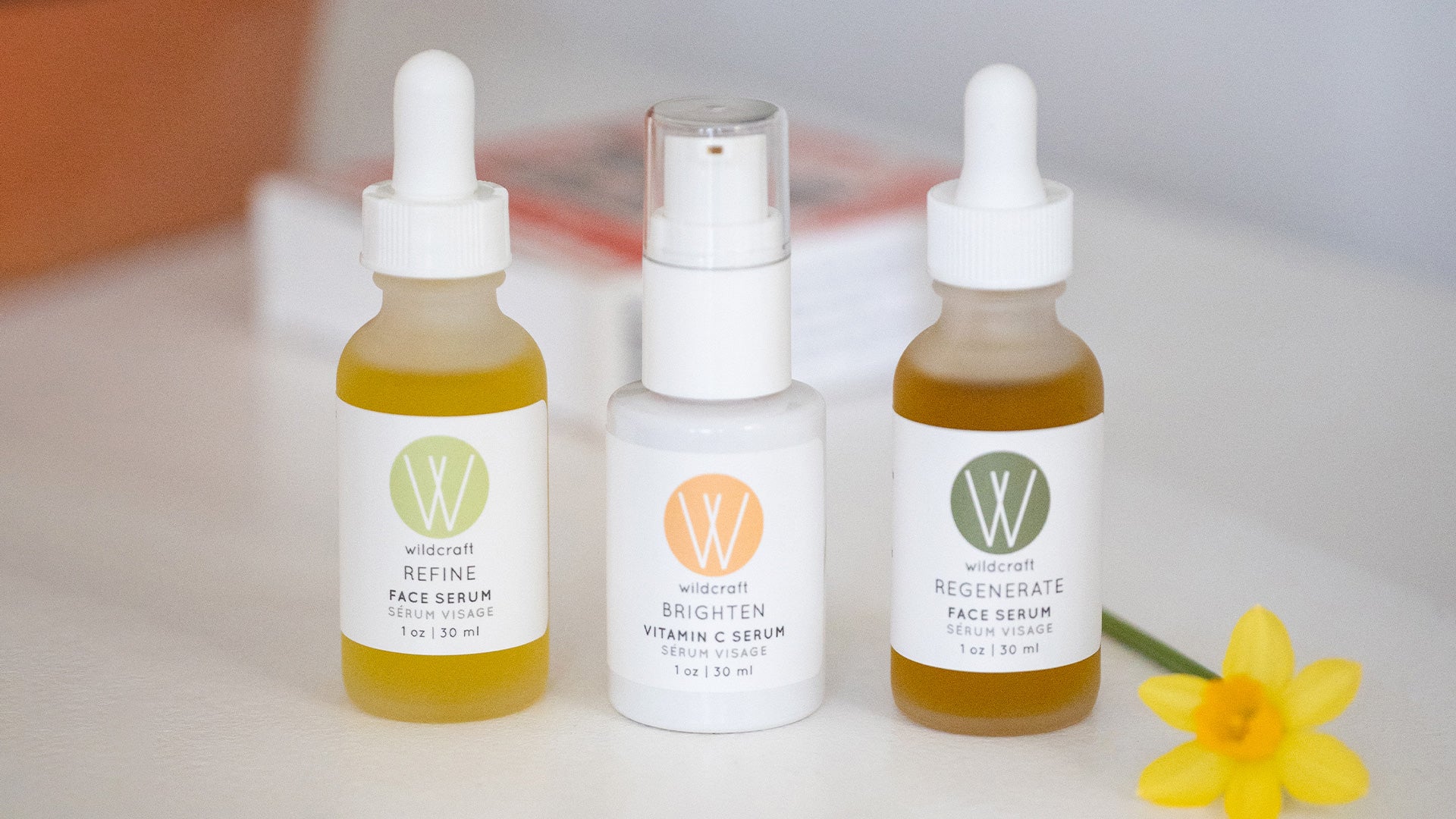
I used to fear oil because my face felt shiny. I tested squalane and hemp seed oil for months. My skin calmed and felt less tight. Here are lessons I learned:
- Small amounts work. Less is more for oily skin.
- Apply oil to damp skin to get a balanced feel.
- Swap heavy creams for oil if your skin is reactive to thick moisturizers.
- Be patient — it can take a few weeks to see reduced oiliness.
These tips helped me shift from distrust to a balanced routine that controls shine and keeps skin calm.

Frequently Asked Questions of is face oil good for oily skin
Will face oil make my skin oilier?
Face oil can feel oily at first, but the right oil often helps reduce natural sebum over time. Use a lightweight, non-comedogenic oil and apply sparingly.
Can oily, acne-prone skin use face oil daily?
Yes, many people with acne-prone oily skin can use certain oils daily, especially squalane or hemp seed oil. Monitor your skin and stop if breakouts increase.
How much oil should I use on oily skin?
Start with 1–3 drops for your whole face and increase only if needed. Too much oil can sit on the surface and clog pores.
Should I use oil in the morning or at night?
You can use oil both times, but many prefer oil at night to avoid mixing with sunscreen and makeup. If used in the morning, apply sunscreen over the oil.
How long before I see results with face oil?
Expect to see subtle changes in 2–4 weeks and fuller benefits by 8–12 weeks. Skin needs time to rebalance oil production.
Can face oil replace my moisturizer?
Sometimes. If the oil restores hydration and the skin barrier, it can replace a heavy moisturizer. Observe your skin and adjust as needed.
Conclusion
Face oil can be good for oily skin when you choose non-comedogenic, lightweight oils and use them the right way. Start small, layer properly, and watch how your skin reacts over several weeks. Take action tonight: pick a lightweight oil, patch test it, and try a two-week trial to see if your skin calms and balances. Leave a comment with your experience or subscribe to learn more about practical skin care tips.