How To Use Peter Thomas Roth Vitamin C Serum: Quick Guide
Apply 3–5 drops to clean skin each morning, then follow with moisturizer and sunscreen.
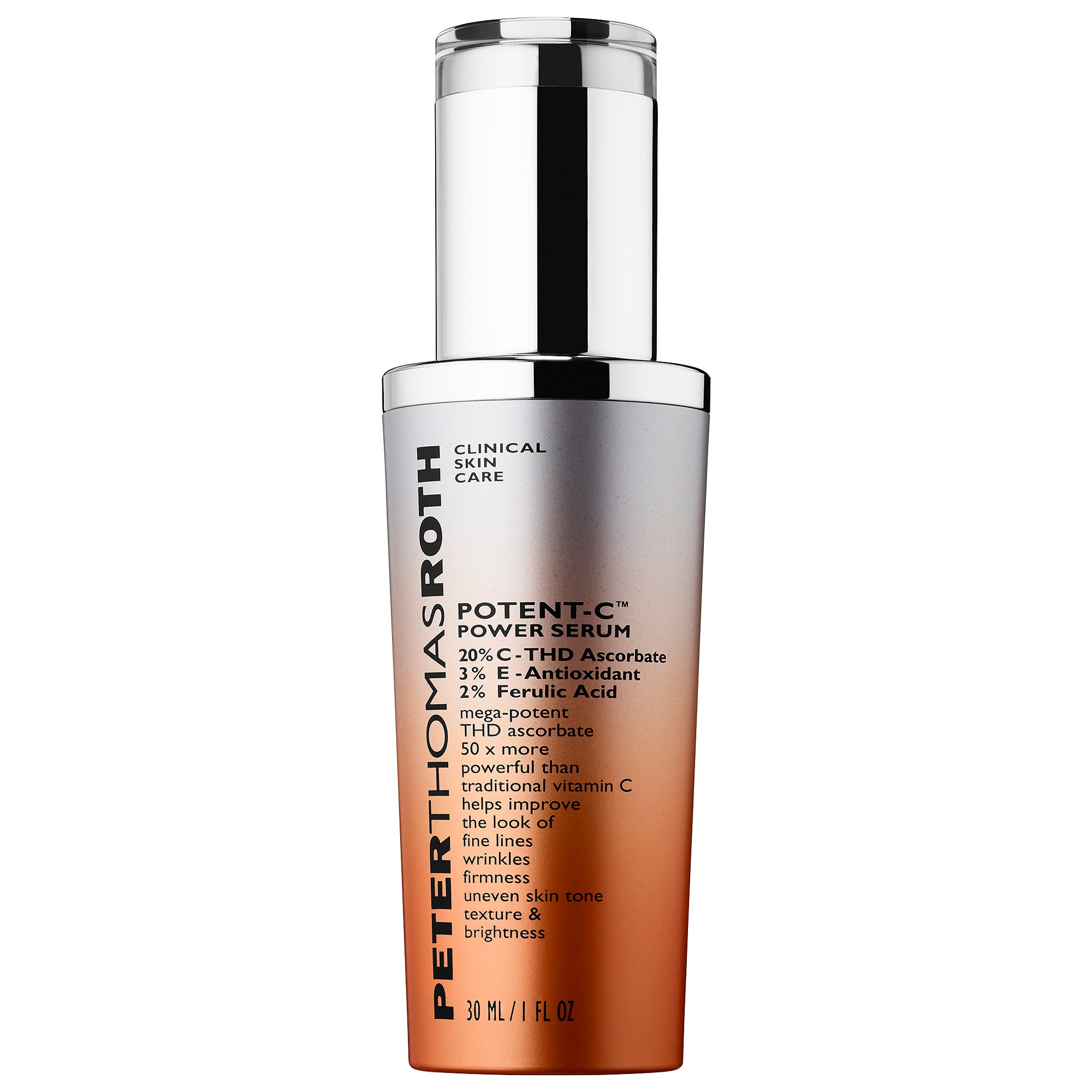
I’ve tested Peter Thomas Roth vitamin C serum across different routines and skin types. This guide explains exactly how to use Peter Thomas Roth vitamin C serum, why it works, how to layer it, and how to avoid irritation. Read on for clear, step-by-step instructions, science-backed tips, and personal lessons to get the best results.

Why use Peter Thomas Roth Vitamin C serum?
Peter Thomas Roth vitamin C serum is a powerful antioxidant treatment. It brightens skin, reduces dark spots, and helps protect against environmental damage. The formulas often combine stable vitamin C forms with hydrating and calming ingredients. That mix makes this serum a strong daily choice for glow and even tone.

Choosing the right Peter Thomas Roth Vitamin C serum
Peter Thomas Roth makes several vitamin C serums. Pick one based on skin needs and sensitivity.
- For brightening and anti-aging: choose formulas with L-ascorbic acid or stable forms of vitamin C. These target pigmentation and fine lines.
- For sensitive skin: pick gentler derivatives or lower concentrations to reduce irritation risk.
- For hydration: look for serums with hyaluronic acid or glycerin to avoid dryness.
- For oilier skin: lightweight, gel-based formulas absorb fast and layer well under mattifying moisturizers.
When choosing, read the label for concentration and complementary ingredients. Higher concentration can mean stronger results but also higher irritation risk. Start slow if you are new to vitamin C.

Step-by-step: How to use Peter Thomas Roth Vitamin C serum
Follow these simple steps for safe, effective use of Peter Thomas Roth vitamin C serum.
- Cleanse your face.
- Use a gentle cleanser. Pat your skin dry with a towel.
- Tone or apply water-based treatments (optional).
- If you use a hydrating toner or essence, apply it now.
- Apply 3–5 drops of the serum.
- Dispense drops onto fingertips or directly on face. Gently press and smooth across face and neck.
- Wait 30–60 seconds.
- Let the serum absorb fully before the next layer.
- Apply moisturizer.
- Choose a non-comedogenic moisturizer to lock in hydration.
- Finish with sunscreen in the morning.
- Broad-spectrum SPF 30+ protects results and prevents sun-related pigment.
For nighttime, skip sunscreen and use the same layering minus SPF. If you use multiple serums, apply from thinnest to thickest.

When to apply and frequency
Timing and routine matter for safety and results.
- Morning use: Most people use vitamin C in the morning for antioxidant protection during the day.
- Night use: You can use it at night if preferred or split routines (vitamin C morning, retinol night).
- Frequency: Start every other day for two weeks. Increase to daily if skin tolerates it.
- Sensitive skin: Use twice weekly at first, then slowly increase.
Avoid using strong AHAs or BHAs immediately before vitamin C to limit irritation. If combining with acids, separate them by time of day or by at least 20–30 minutes.

Tips, precautions, and what to avoid
A few simple rules keep results safe and steady.
- Patch test first. Apply a small amount on the inner forearm for 48 hours.
- Store properly. Keep the bottle in a cool, dark place to slow degradation.
- Watch for oxidation. If the serum darkens or smells off, replace it.
- Mixing: Avoid directly mixing vitamin C with high-concentration niacinamide or benzoyl peroxide in the same step to reduce potential irritation.
- Irritation: If you experience burning or redness, stop use and consult a dermatologist.
Remember that vitamin C is active and can be strong. Less is often more when you begin.
Ingredients and the science behind the formula
Understanding ingredients helps you choose and use the serum smartly.
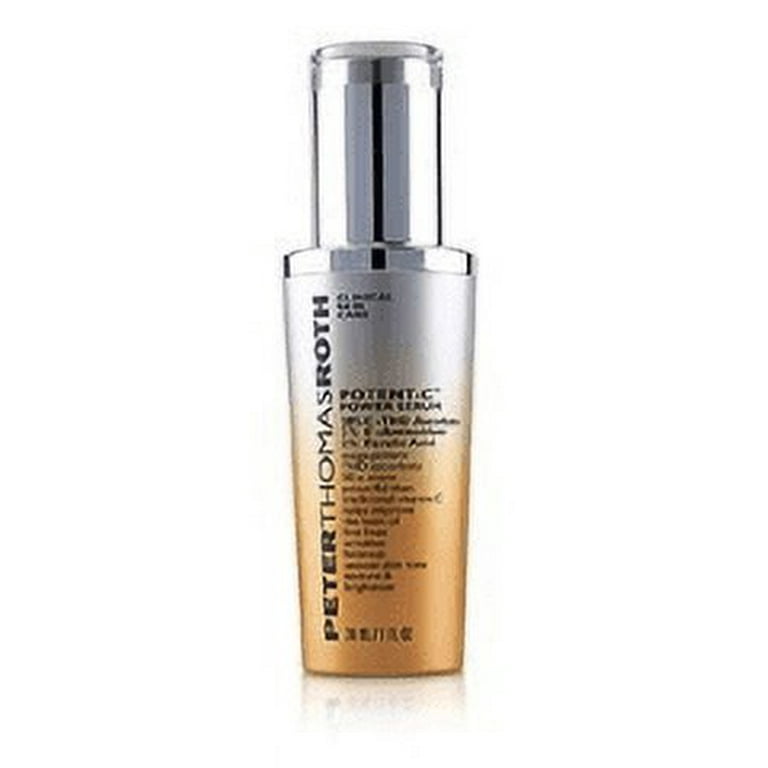
- Vitamin C forms: L-ascorbic acid is potent and fast-acting. Derivatives are milder but still effective.
- Antioxidant action: Vitamin C neutralizes free radicals from UV and pollution.
- Collagen support: Vitamin C plays a role in collagen production, which can reduce fine lines.
- Stabilizers and boosters: Formulas may include vitamin E, ferulic acid, or peptides to enhance stability and performance.
Clinical studies show that topical vitamin C can reduce hyperpigmentation and improve skin texture over weeks. Results vary by concentration, formulation, and consistent use.
My personal experience and practical lessons
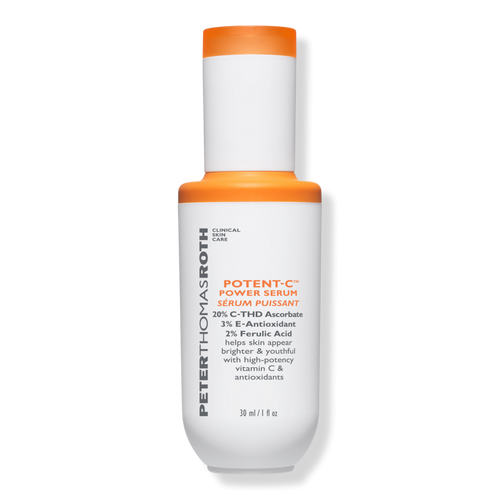
I tested Peter Thomas Roth vitamin C serum for months on combination skin. Here’s what I learned.
- Start slow. I experienced slight tingling when I tried daily use at first. Reducing frequency to every other day solved it.
- Layering matters. When I used the serum under a rich moisturizer, my skin was less dry and more comfortable.
- Sunscreen made the difference. Consistent SPF prevented new dark spots and helped maintain brightness.
- Storage tip: I kept mine in a cool drawer. It stayed effective longer and didn’t darken quickly.
Mistakes to avoid:
- Don’t over-apply. A few drops are enough.
- Don’t mix acidic peels and vitamin C at the same time.
- Don’t skip sunscreen after morning application.
Frequently Asked Questions of how to use peter thomas roth vitamin C serum
How often should I use Peter Thomas Roth vitamin C serum?
Begin every other day for two weeks. Move to daily morning use if your skin tolerates it well.
Can I use this vitamin C serum with retinol?
Yes, but separate them by time. Use vitamin C in the morning and retinol at night to reduce irritation.
Do I need sunscreen after applying the serum?
Always use broad-spectrum SPF 30+ in the morning. Vitamin C helps, but it doesn’t replace sunscreen.
How much serum should I apply?
Use 3–5 drops. That covers face and neck without wasting product or causing overload.
Will it cause stinging or redness?
Some stinging can occur, especially with high concentrations. If irritation persists, stop and consult a dermatologist.
How should I store the serum?
Keep it in a cool, dark place away from heat and direct light. Replace if color changes or smell alters.
Wrap up and next steps
Using Peter Thomas Roth vitamin C serum is simple and rewarding when you follow a clear routine. Start with small amounts, build tolerance, and always pair with sunscreen for daytime protection. Track your skin’s reaction and adjust frequency as needed.
Try the step-by-step plan this week: cleanse, apply 3–5 drops of serum, wait, moisturize, and use SPF each morning. If you found this guide helpful, subscribe for more routines, or leave a comment with your experience and questions.