How To Remove Blackheads Safely At Home: Gentle DIY Tips
Gently cleanse, steam, exfoliate with salicylic acid, and extract carefully using sterile tools at home.
I write about skin care every day and I know how tricky blackheads can be. This guide on how to remove blackheads safely at home breaks down fast steps, the best products, and safe habits. I will show proven tips, things I tried myself, and clear warnings so you can clear pores without harm. Read on to learn practical, easy, and safe ways to remove blackheads at home.
Why blackheads form and what to know first
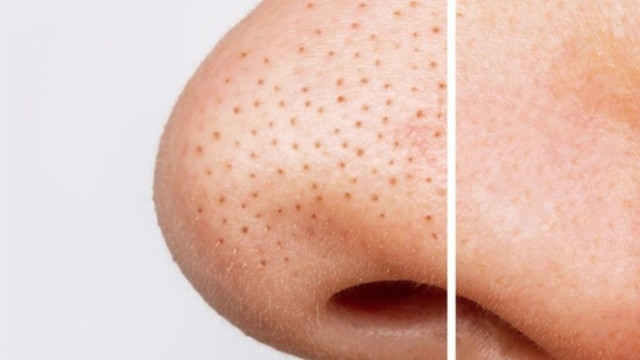
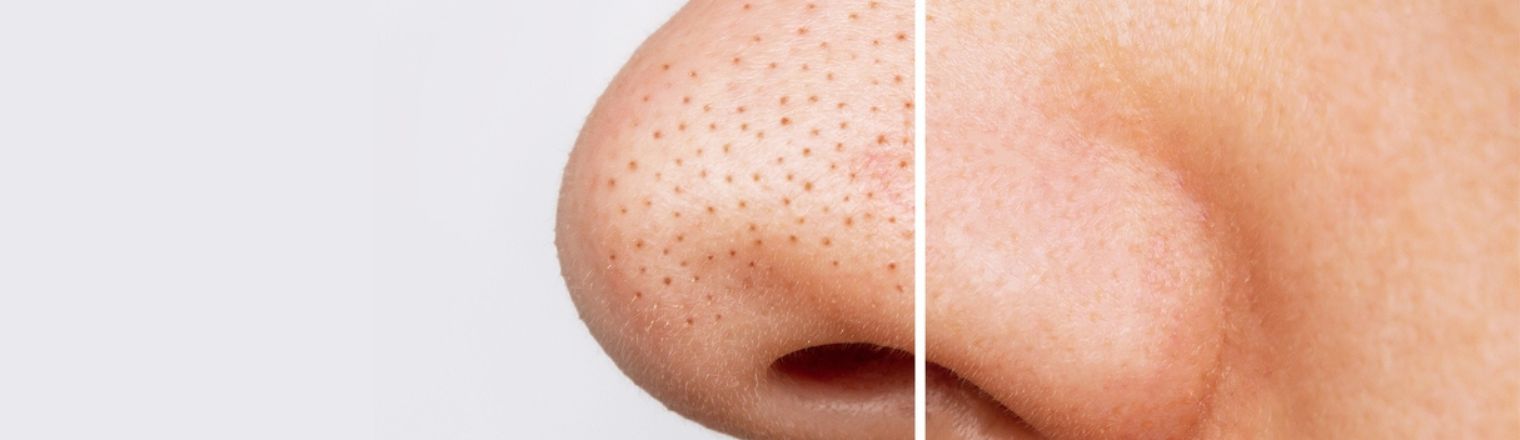
Blackheads form when pores clog with oil, dead skin, and debris. The open surface of the plug darkens with air. Hormones, oily skin, and some products make blackheads more likely. Knowing this helps you focus on pore care rather than harsh digging.
I learned that quick popping feels good but often makes marks. Over the years I switched to gentle routines and saw better long-term results. This guide on how to remove blackheads safely at home will help you avoid common traps and find a routine that works.

Safe tools and products for home removal
Use low-risk tools and proven actives. Keep tools clean. Start with gentle products and test one thing at a time.
- Salicylic acid (0.5–2%) — dissolves oil in pores and prevents new blackheads.
- Benzoyl peroxide (2.5–5%) — helps with bacteria and inflamed spots.
- Retinoids or retinol — speed skin cell turnover and clear pores over weeks.
- Clay masks — draw oil and help loosen debris for easier removal.
- Comedone extractor — metal tool for trained use only; sterilize with alcohol and flame cautiously.
- Soft washcloths and warm compresses — for safe prepping before extractions.
I used a 2% salicylic gel for months and saw fewer blackheads. When I tried a comedone extractor, I steamed first and used light pressure. That cut down on marks and hurt less.

Step-by-step: how to remove blackheads safely at home
This step-by-step routine is simple. It focuses on safety and real results. Follow it once or twice weekly as needed.
- Cleanse twice. Use a gentle cleanser to remove oil and dirt. Clean skin is easier to treat.
- Steam or use a warm compress for 5–10 minutes. Heat softens plugs. Don’t over-steam; stop if skin feels red or sore.
- Exfoliate with salicylic acid. Apply a BHA product and wait as directed. This helps loosen the blackhead core.
- Spot-extract with care. If a blackhead is ready and rises after steaming and BHA, use a sterile comedone extractor. Press gently. Stop if it resists. Never dig with nails.
- Apply a soothing antiseptic or gel. Use a thin layer of a calming product with anti-inflammatory properties.
- Moisturize and protect. Apply a light, non-comedogenic moisturizer. Use sunscreen daily to prevent dark marks.
Repeat this routine once a week or as skin allows. If you have sensitive skin, skip step 3 at first and use a milder routine. This plan shows how to remove blackheads safely at home without causing harm.
Exfoliation methods: chemical vs. physical
Choose exfoliation that suits your skin. Chemical options often work better for blackheads.
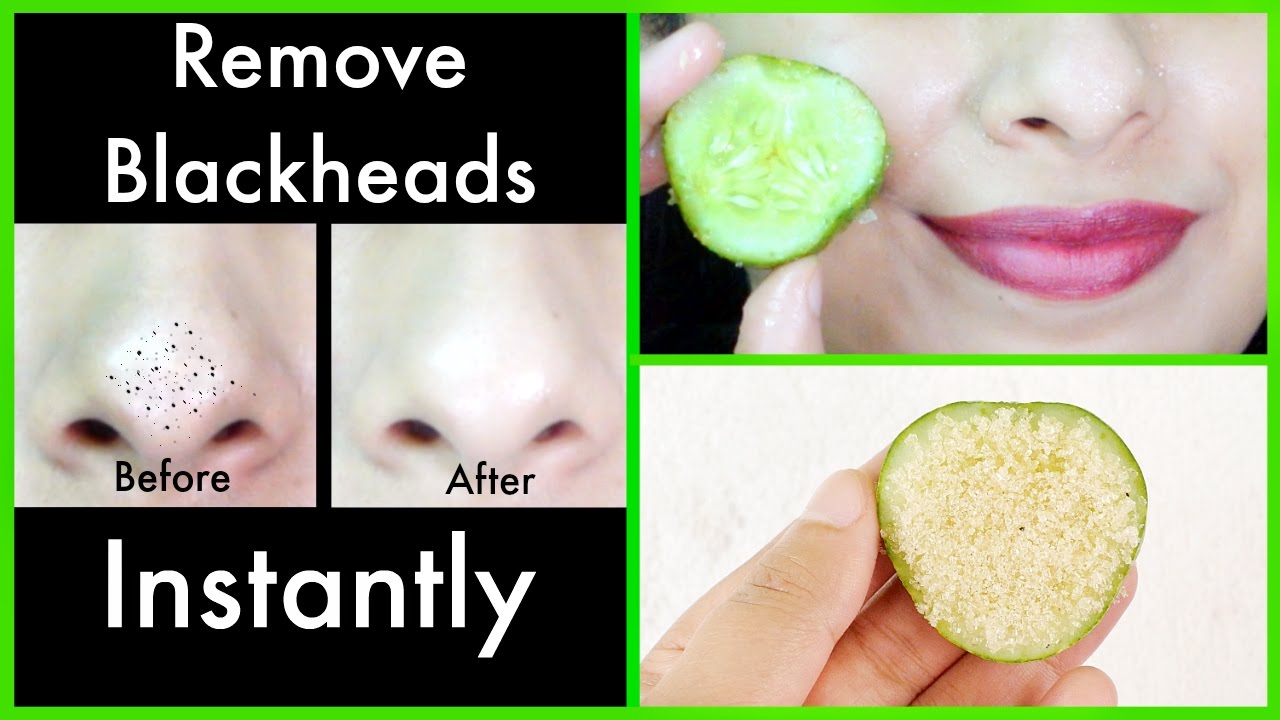
- Chemical exfoliation with salicylic acid penetrates oil and clears pores. It is ideal for blackheads.
- Alpha hydroxy acids (like glycolic) help surface dead skin but don’t reach deep oil as well.
- Physical scrubs can irritate skin and worsen blackheads if used too hard. Use gentle tools like a konjac sponge if you prefer physical methods.
- Enzyme masks offer mild exfoliation and are good for sensitive skin.
From my tests, salicylic acid reduced blackheads more than scrubs. It works slowly, so be patient and use it regularly.

Pre- and post-extraction care
Proper prep and aftercare reduce risk of infection and scarring.
- Prep: Cleanse, steam, and apply BHA to loosen plugs.
- Extraction rules: Sterilize tools. Use clean hands. Work under good light. Stop if skin bleeds.
- Aftercare: Apply a soothing antiseptic gel. Use a moisturizer that won’t clog pores. Avoid heavy makeup for 24 hours.
- Treat marks: For post-inflammatory dark spots, use sunscreen, vitamin C, or gentle retinoids over weeks to fade marks.
I once skipped aftercare and got a red mark that lasted weeks. Now I always use a simple antiseptic and a light moisturizer after extraction.

Common mistakes and how to avoid them
Avoid these pitfalls. They are what I see people repeat.
- Picking with nails — causes tears and scars. Use tools or skip extraction.
- Over-exfoliating — strips skin and raises oil production. Keep exfoliation moderate.
- Using sharp tools or unclean tools — risk infection and deep scarring. Sterilize every tool.
- Relying on pore strips alone — they remove surface plugs but can harm skin and do not stop new blackheads.
- Skipping sunscreen — sun makes marks darker after extraction.
Lessons learned: patience wins. A steady routine beats quick aggressive fixes. This is key to how to remove blackheads safely at home.
Prevention: routine to keep blackheads away
A simple daily routine helps prevent blackheads long term.
- Morning: Cleanse gently, apply a light moisturizer, and use sunscreen.
- Night: Cleanse, apply salicylic acid or a retinoid, and moisturize as needed.
- Weekly: Use a clay mask or a deep-clean BHA session once a week.
- Lifestyle: Watch diets that trigger oil for you, keep hair off the face, and change pillowcases often.
I switched to non-comedogenic products and saw steady improvement. Prevention is the most reliable way to avoid repeated home extractions.
:max_bytes(150000):strip_icc()/extractions-57926a473df78c1734994311.jpg)
When to see a dermatologist
Seek professional care for these signs.
- Deep, painful bumps or cystic acne.
- Repeated infections after home extraction.
- Scarring or dark marks that do not fade.
- If you are unsure how to extract safely or have skin conditions like rosacea.
A dermatologist can remove stubborn blackheads safely, offer in-office treatments, or prescribe stronger retinoids. Don’t hesitate if home care fails or if skin reacts badly.
Frequently Asked Questions of how to remove blackheads safely at home
Can I pop blackheads at home without scarring?
You can if you prepare skin, use sterile tools, and apply light pressure. But there is always some risk; stop if skin bleeds or resists.
How often should I use salicylic acid for blackheads?
Most people use salicylic acid treatment 2–3 times per week at first, then adjust to daily use if skin tolerates it. Start low to avoid irritation.
Are pore strips safe to use on the nose?
Pore strips are okay sometimes for surface plugs but they can irritate and do not clear deep pore buildup. Use them sparingly.
Do blackhead removal tools cause infection?
They can if unclean or used too deeply. Sterilize tools with alcohol and avoid strong pressure to lower infection risk.
How long until I see results when treating blackheads at home?
You may see lighter results in 2–4 weeks with consistent use of salicylic acid or retinoids. Full improvement can take months.
Will diet changes help reduce blackheads?
Some people see benefit from reducing high-glycemic foods and dairy. Diet affects hormones and oil, so it can help but is not a cure.
Conclusion
You can learn how to remove blackheads safely at home with care, the right tools, and steady routines. Start small, use gentle exfoliation like salicylic acid, and only extract when a pore is ready. If you feel unsure or see signs of infection, consult a dermatologist. Try one new step at a time and track progress. Share your results, subscribe for more tips, or leave a comment with your questions.