
How To Treat Acne At Home Effectively: Simple Home Remedies
Treat acne at home effectively with gentle care, targeted actives, good habits, and patience.
I have treated my own acne and guided clients for years, so I know what works and what wastes time. This guide explains how to treat acne at home effectively with clear steps, safe ingredient choices, daily routines, and realistic expectations. Read on for practical tips, easy routines, and mistakes to avoid so you can manage acne with confidence.

Why acne appears and what it is
Acne is a skin condition that happens when hair follicles clog with oil, dead skin, and bacteria. It shows as whiteheads, blackheads, pimples, nodules, or cysts. Hormones, genetics, stress, and some products make it worse.
Acne is common in teens and adults. It can hurt self-esteem and cause scars if left untreated. Understanding causes helps when you learn how to treat acne at home effectively.
Core principles for how to treat acne at home effectively
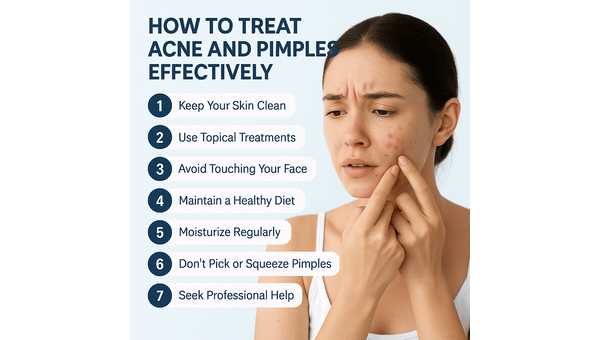
Start with gentle care. Cleanse twice daily with a mild cleanser and avoid scrubbing. Harsh cleansers and over-exfoliation can dry and irritate skin.
Use targeted active ingredients. Salicylic acid, benzoyl peroxide, azelaic acid, and topical retinoids reduce oil, bacteria, and clogged pores. Introduce one active at a time and patch test.
Be consistent and patient. Most topical treatments need 6 to 12 weeks to show change. Track progress with photos and avoid switching too quickly when the skin is still adjusting.
Daily skincare routine to treat acne at home effectively
Morning routine
- Cleanse with a gentle, low-foam cleanser to remove oil and sweat.
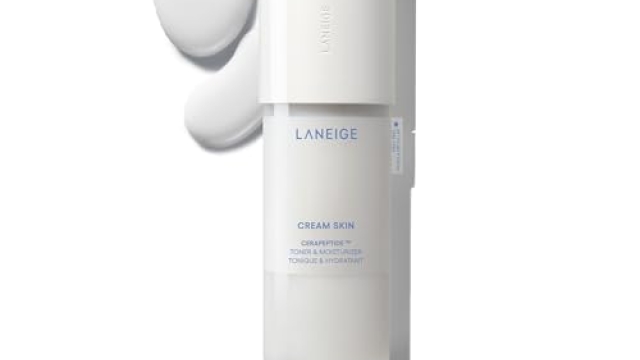
- Apply a lightweight, oil-free moisturizer if needed.
- Use a broad-spectrum sunscreen of at least SPF 30 every morning.
Evening routine
- Double-cleanse if you wore sunscreen or makeup; otherwise use one gentle cleanse.
- Apply a treatment product with salicylic acid or benzoyl peroxide on active areas.
- Add a moisturizer to maintain the skin barrier.
Stick to simple routines for 8–12 weeks. Overcomplicating the routine can cause irritation, which makes acne worse. Following this framework helps you learn how to treat acne at home effectively.
Effective home treatments and ingredients
Salicylic acid
- Beta hydroxy acid that clears pores and reduces blackheads. Use 0.5–2% on cleansers or leave-on products.
Benzoyl peroxide
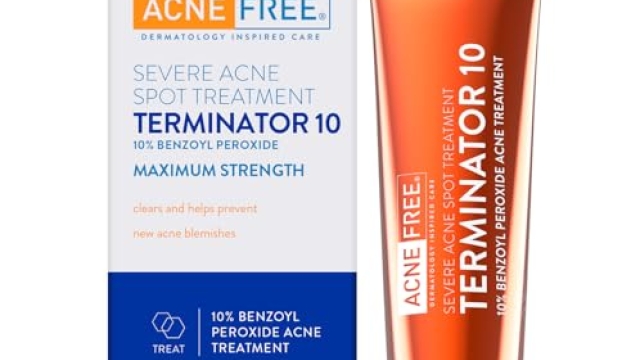
- Kills acne-causing bacteria and reduces inflammation. Start with 2.5% once daily and increase if tolerated.
Topical retinoids (adapalene 0.1% OTC)
- Normalizes skin cell turnover and prevents clogged pores. Expect initial dryness and purging for several weeks.
Azelaic acid and niacinamide
- Azelaic acid reduces redness and bacterial growth. Niacinamide soothes and regulates oil.
Tea tree oil and natural remedies
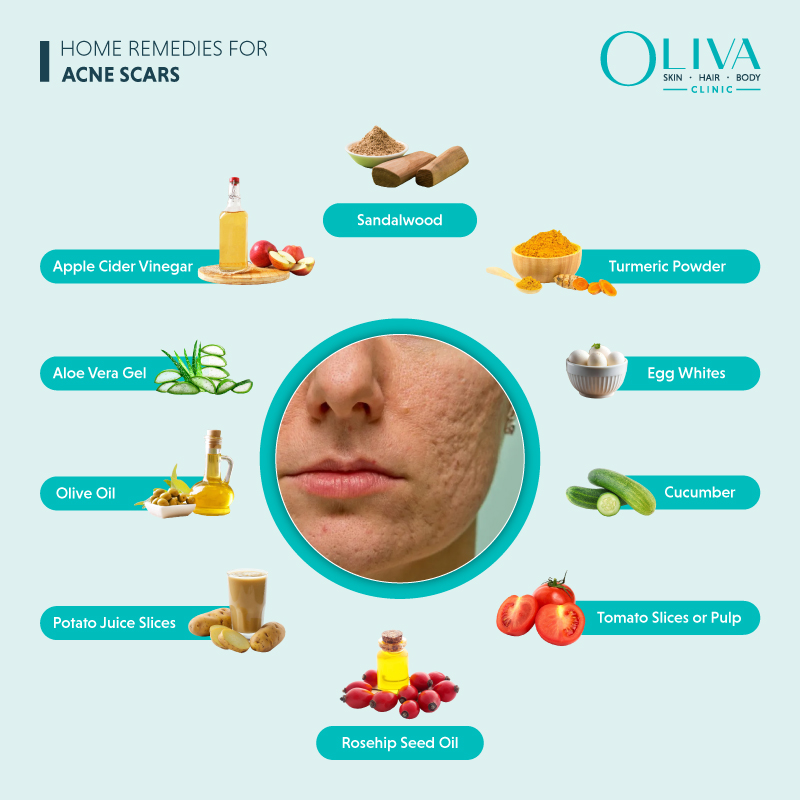
- Tea tree oil can help mild acne but can irritate if undiluted. Avoid aggressive DIY mixes and high concentrations.
Use one new active at a time and patch test. Keep products simple and non-comedogenic. This approach explains how to treat acne at home effectively without harming the skin.

Lifestyle, diet, and habits that support at-home acne care
Sleep and stress
- Aim for regular sleep and stress management. Stress can increase hormones that worsen acne.
Diet
- Low-glycemic foods and fewer high-sugar snacks may help some people. Dairy reduction helps some but not everyone.
Daily habits
- Avoid touching your face, clean pillowcases weekly, and disinfect phone screens. These small changes lower bacteria transfer and irritation.
Hydration and exercise
- Drink water and exercise regularly. Sweat is fine but cleanse skin after workouts. These habits complement topical care and show how to treat acne at home effectively.

When home care may not be enough
Severe, painful cysts, widespread nodules, or rapid scarring need professional help. If acne does not improve after 3 months of consistent home care, see a dermatologist. Prescription oral or topical medicines can be safer and faster for severe acne.
My personal experience and mistakes I learned from
I once tried three new active products in one week and caused a red, flaky flare. I learned to patch test and add one product every two weeks. Slowing down improved results and reduced irritation.
I also kept weekly photos and saw gradual improvement that I almost missed. That tracking habit helped me stay patient and consistent. These lessons show practical ways to treat acne at home effectively.
Common myths and truths about at-home acne care
Myth: Popping pimples speeds healing.
- Truth: Popping increases scarring and infection risk. Use spot treatments instead.
Myth: Oil-free products always cure acne.
- Truth: Oil-free can help, but actives and routine matter more.
Myth: Natural ingredients have no side effects.
- Truth: Natural extracts can irritate or cause allergies. Patch test first.
Myth: You must scrub to remove acne.
- Truth: Scrubbing irritates skin and can worsen acne.
These corrections help clear confusion and guide how to treat acne at home effectively.
How to track progress and set expectations
Take a front and side photo each week under similar light and background. Note treatments and any side effects in a short log. Expect gradual change; many treatments take 6–12 weeks to work.
If you see more pain, increasing nodules, or spread, stop the new product and seek professional advice. Tracking creates clarity and shows whether your plan for how to treat acne at home effectively is working.
Frequently Asked Questions of how to treat acne at home effectively
Is it safe to use benzoyl peroxide and salicylic acid together?
Yes, you can use them together if your skin tolerates both. Start slowly and use lower concentrations to avoid dryness.
How long before I see results from home acne treatments?
Expect 6 to 12 weeks for meaningful change with most topicals. Some products may cause initial purging that looks worse before it improves.
Can diet changes really help acne?
Diet affects people differently; lowering high-glycemic foods and reducing some dairy helps some people. Consider small, trackable changes and watch results.
Should I stop moisturizing if my skin is oily?
No, moisturizing with a non-comedogenic, lightweight lotion helps maintain the skin barrier. Skipping moisturizer can increase oil production and worsen acne.
When should I see a dermatologist for acne?
See a dermatologist for severe cysts, rapid scarring, or no improvement after 3 months of consistent home care. Professional options include prescription topicals and oral treatments.
Conclusion
You can learn how to treat acne at home effectively by using gentle routines, targeted actives, healthy habits, and patience. Start simple, track progress, and avoid over-treating the skin. If acne is severe or not improving, seek professional care.
Take one step today: choose one change — a simple routine or a single active — and commit to it for eight weeks. Share your progress, ask questions, or subscribe for more guides on skin health.