
Best Natural Face Masks For Dry Skin: Hydrate & Glow
Best natural face masks for dry skin are honey, avocado, oats, and aloe for deep, lasting hydration.
As a skincare writer and longtime tester of simple home remedies, I’ve used and refined many recipes for the best natural face masks for dry skin. This guide shares clear recipes, science-backed reasons they work, safety tips, and my hands-on experience so you can pick and use the right mask for your skin with confidence. Read on to learn how to soothe, hydrate, and protect dry skin using gentle, natural ingredients.
Why dry skin happens and how masks help
Dry skin can come from weather, harsh cleansers, long hot showers, or aging skin that loses oil. Genetics and some health conditions also cause dry skin. Knowing the cause helps you choose the best natural face masks for dry skin that target moisture loss and barrier repair. Masks can add oils, humectants, and soothing agents that calm flaking and tightness.
Benefits of using natural face masks for dry skin
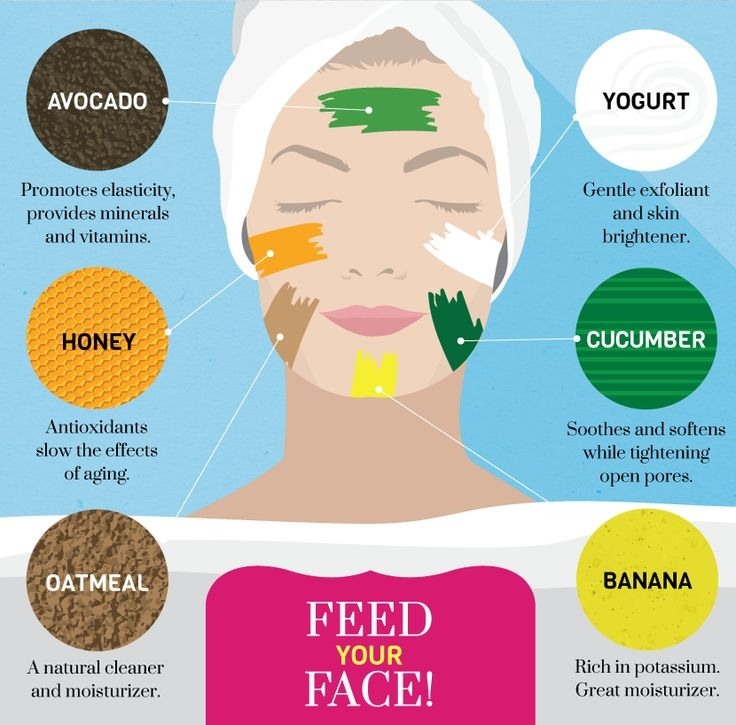
Natural masks use whole ingredients. They often contain humectants like honey and yogurt that pull moisture into the skin. They also provide oils and emollients such as avocado and olive oil to lock in hydration. Using these masks can reduce irritation and avoid harsh chemicals that strip moisture.
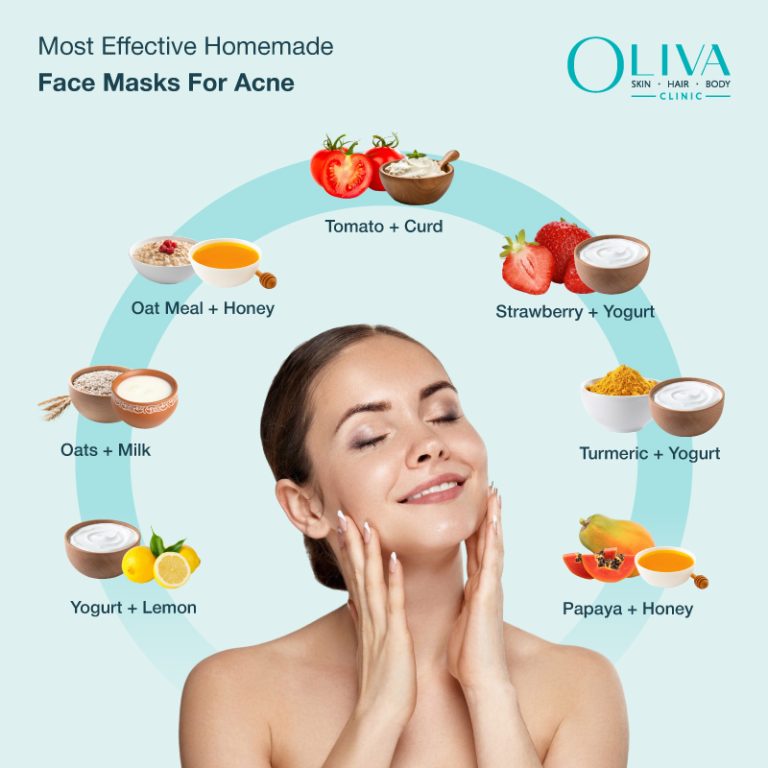
Top natural face masks for dry skin
Below are practical, easy recipes that I use and recommend. Each mask includes why it helps, what to do, and how often to use it. These are some of the best natural face masks for dry skin that are safe and easy to make.
Honey and olive oil mask
Ingredients
- 1 tablespoon raw honey
- 1 teaspoon extra virgin olive oil
Why it works
- Honey is a natural humectant. It draws and holds moisture.
- Olive oil provides fatty acids to replenish the skin barrier.
How to use
- Mix and apply to clean skin for 15 minutes.
- Rinse with lukewarm water and pat dry.
- Use once or twice weekly for best results.
Notes
- Great for nighttime hydration and quick soothing after sun exposure.
Avocado and yogurt mask
Ingredients
- 1/2 ripe avocado
- 1 tablespoon plain yogurt
Why it works
- Avocado is rich in healthy fats and vitamin E.
- Yogurt contains lactic acid for gentle exfoliation and added moisture.
How to use
- Mash avocado and stir in yogurt.
- Apply a thin layer and leave for 10–15 minutes.
- Rinse and follow with a moisturizer.
- Use once a week if your skin is sensitive.
Oatmeal and banana mask
Ingredients
- 2 tablespoons ground oats
- 1/2 ripe banana
- 1 teaspoon honey (optional)
Why it works
- Oats soothe inflammation and form a gentle barrier.
- Banana adds moisture and potassium.
How to use
- Blend into a paste and apply for 10–12 minutes.
- Rinse gently, avoiding rough rubbing.
- Use once weekly to calm redness and hydrate dry patches.
Aloe vera and coconut oil mask
Ingredients
- 2 tablespoons pure aloe vera gel
- 1 teaspoon fractionated coconut oil
Why it works
- Aloe soothes and hydrates without being heavy.
- Coconut oil helps seal moisture into the skin.
How to use
- Mix and apply for 10–15 minutes.
- Rinse well if you’re prone to breakouts.
- Use 1–2 times per week for comfort and repair.
Shea butter and rosehip oil balm mask
Ingredients
- 1 teaspoon melted shea butter
- 2 drops rosehip oil
Why it works
- Shea butter is deeply emollient and nourishing.
- Rosehip oil supports skin repair with essential fatty acids.
How to use
- Warm and blend ingredients, then apply as a thin layer.
- Leave on overnight as an occlusive treatment.
- Use as a weekly intensive mask for very dry skin.
Yogurt, honey, and glycerin quick mask
Ingredients
- 1 tablespoon plain yogurt
- 1 teaspoon honey
- 1/2 teaspoon glycerin (optional)
Why it works
- This mix combines humectants and lactic acid for hydration and light renewal.
- It’s mild and works fast for tired, dry skin.
How to use
- Apply for 10 minutes and rinse.
- Ideal before makeup or after travel.
- Use up to twice a week.
How to use natural face masks safely and effectively
Follow simple steps for the best results and to avoid irritation.
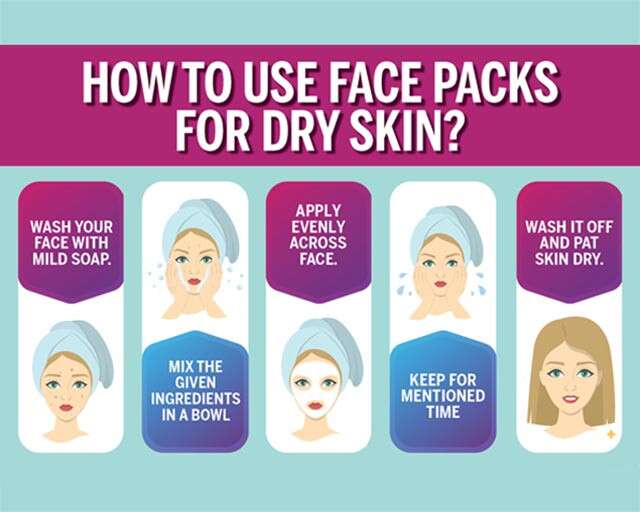
- Cleanse: Use a gentle, fragrance-free cleanser.
- Patch test: Apply a small amount to your inner wrist and wait 24 hours.
- Apply: Use clean hands or a spatula to spread the mask.
- Time it: Follow recipe times; do not leave acidic masks on too long.
- Rinse gently: Use lukewarm water and pat dry.
- Moisturize: Seal in benefits with a moisturizer or oil.
Use masks that match your skin’s needs. If your skin is very dry, choose richer masks and consider overnight leave-ons. If you are acne-prone, avoid heavy oils on the T-zone and rinse thoroughly.

Ingredients to avoid and precautions
Some natural ingredients still cause trouble. Avoid undiluted essential oils directly on the face. Citrus, cinnamon, and nutmeg can irritate sensitive skin. Raw milk or egg can introduce bacteria if not handled hygienically. If you are pregnant, check with your healthcare provider about essential oils and strong herbal extracts.
Storage, shelf life, and hygiene
Most homemade masks last only a few days in the fridge. Store in a clean, airtight jar. Label with the date and discard after 48–72 hours for mixtures with fresh fruit, dairy, or eggs. Use clean tools and avoid double-dipping to keep masks safe.

Personal experience, tips, and mistakes to avoid
I once left a banana mask on too long and felt slight stickiness afterward. I learned to keep timing strict and to follow with a non-irritating moisturizer. I also learned that patch testing saves time and redness. My tip: mix small batches and adjust oil amounts to your comfort level.

Frequently Asked Questions of best natural face masks for dry skin
Are natural face masks effective for dry skin?
Yes. Natural masks can be very effective. They deliver humectants, oils, and soothing agents that restore moisture and calm irritation.
How often should I use the best natural face masks for dry skin?
Use gentle masks once or twice a week. Rich, emollient masks can be used weekly or as an overnight treatment for very dry skin.
Can natural masks cause breakouts?
Some can, if they are too heavy or if you are acne-prone. Test oils and avoid comedogenic ingredients on the T-zone.
Can I use these masks if I have sensitive skin?
Yes, but patch test first and choose calming ingredients like oats and aloe. Avoid strong acids and fragrant essential oils until you know how your skin reacts.
How long does it take to see results from natural masks?
You may see temporary softness and glow after the first use. Lasting improvement usually takes a few weeks of consistent care and proper moisturization.
Conclusion
Natural masks like honey, avocado, oats, and aloe can deeply nourish and soothe dry skin when used correctly. They add moisture, repair the skin barrier, and reduce irritation without harsh ingredients. Start with simple recipes, do patch tests, and pick masks that match your skin’s needs. Try one mask this week, note how your skin feels, and adjust as needed. If you found this guide helpful, try a recipe, share your results, or subscribe for more easy skincare tips.