
How To Reduce Fine Lines Naturally: Simple Anti-Aging Tips
Use sun protection, hydrate, eat antioxidant-rich foods, and use gentle retinoids or vitamin C.
I’ve helped many people smooth and soften early lines using sensible, natural steps that really work. In this guide I explain how to reduce fine lines naturally with clear, research-backed tips, simple home remedies, and practical routines you can start today. I write from years of testing gentle skincare, from at-home masks to daily habits, and I’ll share what I learned, what to avoid, and small changes that add up fast. Read on to get a realistic, step-by-step plan for firmer, calmer skin without harsh chemicals.

Why fine lines form and what to target
Fine lines form when skin loses collagen, elastin, and moisture. Repeated facial movements and sun damage make lines deeper over time. Smoking, poor sleep, and inflammation speed the process. To know how to reduce fine lines naturally, target sun protection, hydration, antioxidants, collagen support, and gentle cell turnover.
I’ve found that focusing on a few simple targets gives faster, lasting results than chasing every new product.

Daily habits that reduce fine lines naturally
Small changes build a big payoff. Aim for habits you can do every day.
- Wear sunscreen daily — use SPF 30 or higher and reapply when outdoors. Sunscreen reduces UV damage that creates and deepens fine lines.
- Sleep on your back or use a silk pillowcase to cut friction and creasing. I switched to silk and noticed fewer sleep lines within weeks.
- Hydrate consistently — drink water and use a humectant serum like hyaluronic acid to lock moisture into the skin.
- Avoid smoking and limit alcohol. Both dry the skin and reduce collagen production.
- Manage stress — simple breathing, short walks, and routine sleep help lower cortisol and inflammation that age skin.
Gentle skincare ingredients to prioritize
Choose proven, gentle actives. These support skin repair without harsh irritation.
- Vitamin C — a stable form brightens and supports collagen formation. Use in the morning under sunscreen.
- Retinoids (low-strength) — stimulate cell turnover and collagen. Start slow, two nights a week, then increase as tolerated.
- Peptides — small proteins that support collagen and firmness when used consistently.
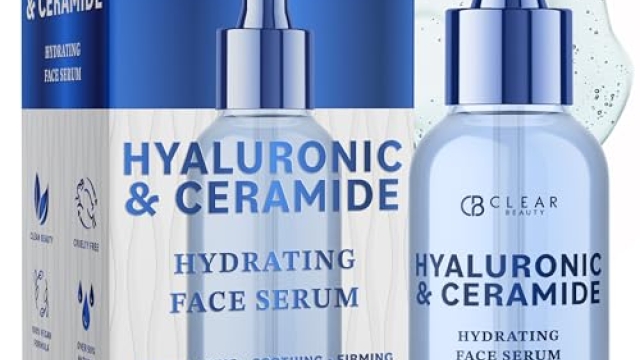
- Hyaluronic acid — hydrates and plumps fine lines by drawing moisture into skin layers.
- Niacinamide — calms inflammation and improves barrier function, reducing visible texture and lines.
I personally began with low-dose retinol and vitamin C. Starting slowly prevented redness while delivering steady improvement over months.

Natural remedies and home treatments that help
Many simple home remedies support skin health. They work best alongside sunscreen and good sleep.
- Green tea compress — cooled green tea soothes inflammation and supplies antioxidants. Apply a soaked cloth for 10 minutes.
- Oatmeal masks — oats calm skin and support hydration for sensitive skin prone to lines.
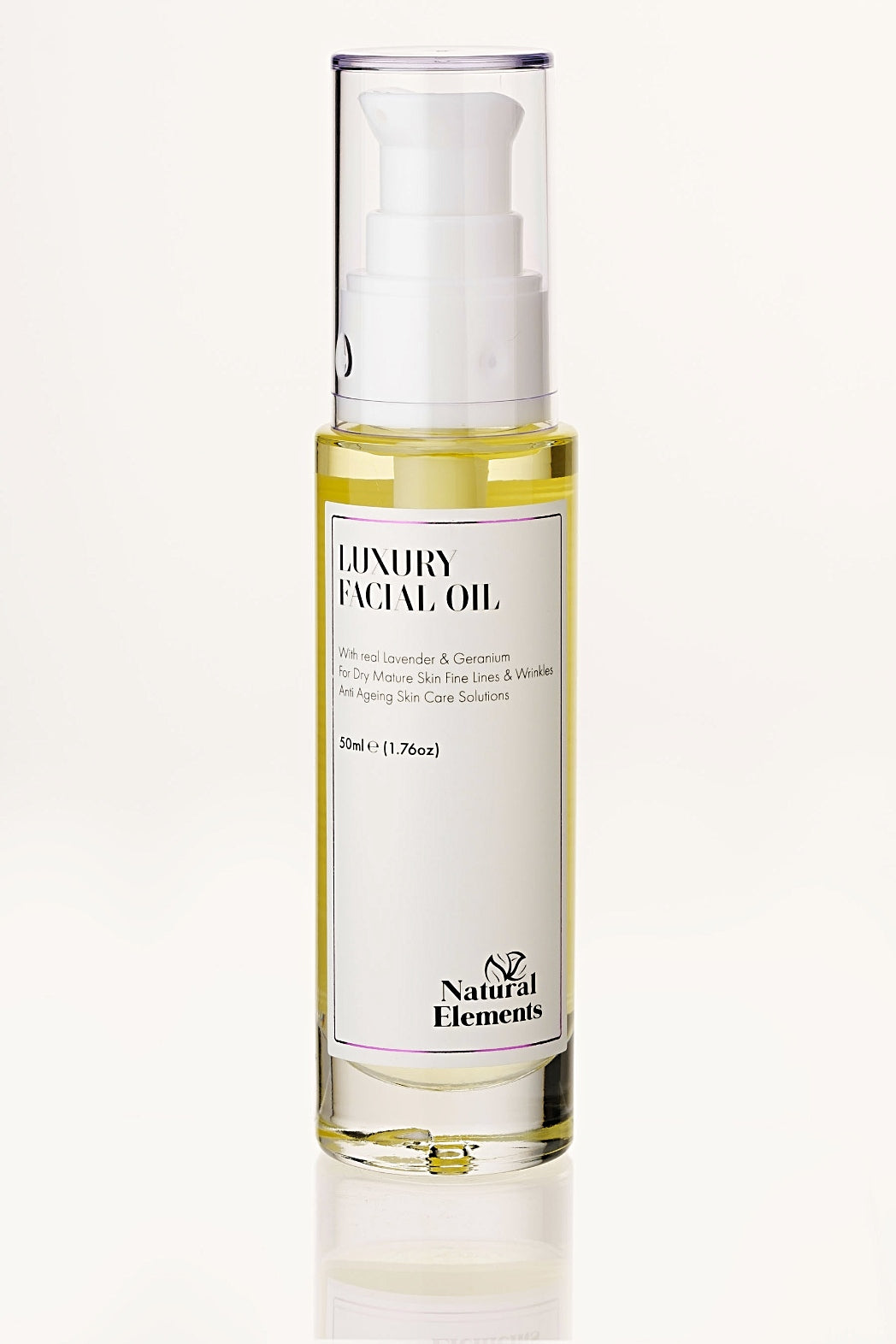
- Rosehip oil — contains natural vitamin A and essential fatty acids. Use at night to support cell turnover and moisturize.
- Aloe vera gel — soothes and hydrates, improving skin texture when used regularly.
- Gentle facial massage — boosts circulation and lymphatic drainage. Use light pressure; massage with oil or cream for 3–5 minutes a day.
Note that home remedies show small gains. They work best as part of a broader routine.

Diet, supplements, and internal support
What you eat shows on your face. A balanced diet supports skin structure and resilience.
- Eat antioxidant-rich foods — berries, leafy greens, and colorful vegetables help fight oxidative stress that causes lines.
- Prioritize protein — lean protein supplies amino acids for collagen repair.
- Include healthy fats — omega-3s from fish, flax, or walnuts keep skin supple.
- Consider supplements carefully — collagen peptides, vitamin C, and zinc have evidence for skin support. Talk with a provider before starting anything new.
- Cut refined sugar and processed foods — excess sugar can weaken collagen through glycation.
From experience, adding a collagen peptide or boosting vitamin C intake helped my skin feel firmer after several weeks. Results varied by person, so I tracked progress with photos.

Lifestyle and protection: the simplest big wins
Daily protection and rest are among the fastest ways to reduce fine lines naturally.
- Sun protection routine — wide-brim hat, sunglasses, and SPF every day. UV is the main driver of visible aging.
- Regular sleep schedule — 7 to 9 hours helps tissue repair and reduces stress hormones that harm skin.
- Exercise — raises circulation and supports repair. Even short daily walks help skin tone and mood.
- Avoid excessive heat — long, hot showers and saunas can strip oils and worsen lines in dry skin.
- Gentle cleansing — avoid overwashing or harsh scrubs that damage the barrier and create more lines.
I treat sunscreen as non-negotiable. When I missed it on travel days, my skin aged faster and lines looked worse quickly.

Sample simple routines you can follow
Two easy routines: one for morning and one for night. Keep steps short and consistent.
Morning routine
- Cleanse with a gentle, non-stripping wash.
- Apply vitamin C serum or antioxidant serum.
- Use a lightweight moisturizer with hyaluronic acid.
- Apply broad-spectrum SPF 30+.
Night routine
- Cleanse to remove sunscreen and dirt.
- Apply low-strength retinoid 2–3 nights per week, increasing slowly.
- Follow with a peptide or hydrating serum.
- Seal with a nourishing moisturizer or rosehip oil.
Consistency matters more than many fancy steps. I advise sticking to a simple routine for three months before judging results.

Mistakes to avoid when trying to reduce fine lines naturally
Avoid these common traps that slow progress.
- Over-exfoliating — too much acid or scrubbing damages the skin barrier.
- Expecting instant results — natural methods take weeks to months for visible change.
- Using harsh products with high alcohol — they dry skin and worsen lines.
- Skipping sunscreen — without it, other efforts have limited effect.
- Mixing strong actives too fast — retinoids plus strong acids often cause irritation. Introduce one at a time.
I learned the hard way that faster is not better. Slow, steady changes built better skin and fewer setbacks.

Evidence and realistic expectations
Research supports sun protection, retinoids, vitamin C, and good hydration for improving fine lines. Natural oils, diet, and massage add supportive benefits. Results vary by age, genetics, and prior sun exposure. Expect gradual improvement: softer lines in weeks, firmer texture in months. Be patient and consistent, and track changes with photos every 4–8 weeks for honest progress checks.
Frequently Asked Questions of how to reduce fine lines naturally
What is the fastest natural way to reduce fine lines?
Consistent sun protection and daily hydration provide the fastest, most reliable improvement. Add a topical antioxidant and low-dose retinoid for better results over weeks.
Can diet really affect fine lines?
Yes. Antioxidant-rich foods, protein, and healthy fats support collagen and skin repair. Reducing sugar and processed foods also helps.
Are natural oils effective for fine lines?
Some oils like rosehip and jojoba support moisture and contain skin-friendly nutrients. They work best as a supplement to sunscreen and active serums.
How long until I see results using natural methods?
You may notice hydration and softer lines within 2–4 weeks. For collagen-driven changes, expect 8–12 weeks or more of consistent care.
Is facial massage helpful for fine lines?
Yes, gentle facial massage can boost circulation and reduce tension that contributes to expression lines. Use light pressure and a lubricant to avoid tugging.
Conclusion
Take small, consistent steps: protect from sun, hydrate, eat well, and use gentle, proven actives. These combined choices form the core of how to reduce fine lines naturally and deliver steady, visible improvement without harsh treatments. Start with one change today, track progress with photos, and build a simple routine that fits your life. Try a 30-day focus on sunscreen, hydration, and a vitamin C or low-strength retinoid, then share how it goes or ask questions to refine your plan.