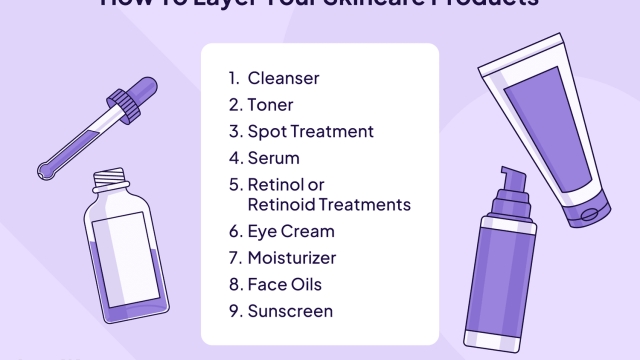
How To Layer Skin Care Products Correctly: Quick Guide
Layer products from thinnest to thickest, and apply active treatments before moisturizers and sunscreen.
I’ve spent years helping people build clear, calm skin and teaching exactly how to layer skin care products correctly. This guide blends clinical know-how, hands-on trial and error, and real-world tips so you can stop guessing and start seeing results. Read on for step-by-step order, ingredient interactions, routines for day and night, and mistakes I’ve learned to avoid when teaching clients how to layer skin care products correctly.
:max_bytes(150000):strip_icc()/HDC-INFOGRAPHIC-HOW-TO-LAYER-YOUR-SKINCARE-PRODUCTS-1-FINAL-1-1-647ac491d6ad44c898366a09d73c20cb.png)
Why proper layering matters
Layering affects product absorption, efficacy, and skin comfort. When you apply products in the right order, actives reach their targets. When you mix them poorly, you waste product and may cause irritation.
I’ve seen clients reduce redness and boost hydration simply by changing order. Using vitamin C after moisturizer or sunscreen, for example, can block its benefits. Learning how to layer skin care products correctly gives you clearer results with fewer products.

The basic rule: thin to thick
Think of your routine like painting a wall. First lay thin coats, then thicker ones to seal.
- Water-based products go first.
- Then lightweight serums and treatments.
- Finish with oils and creams.
- Sunscreen goes last in the morning.
This simple rule will help you remember how to layer skin care products correctly every day.

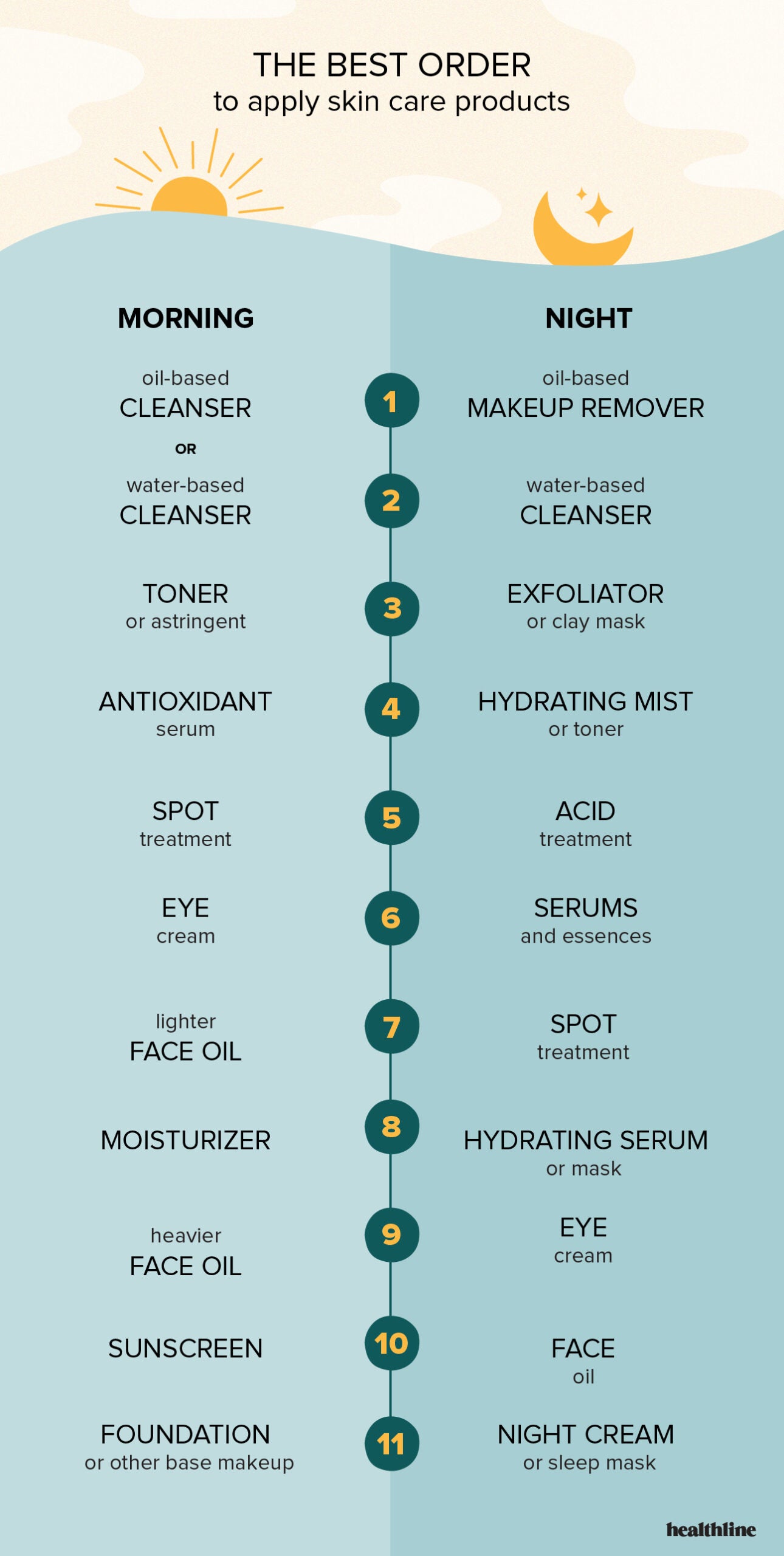
Morning routine vs evening routine
Morning and evening needs differ. Your morning routine protects. Your evening routine repairs.
Morning routine example:
- Cleanser to remove overnight oils.
- Antioxidant serum like vitamin C.
- Lightweight moisturizer.
- Broad-spectrum sunscreen.
Evening routine example:
- Cleanser to clear sunscreen and makeup.
- Exfoliant or treatment (retinoid or AHA/BHA) if you use it.
- Hydrating serums or peptides.
- Thicker night cream or oil.
Knowing which actives belong in AM or PM is key to how to layer skin care products correctly.

Step-by-step order: a practical checklist
Follow this clear order for most routines. I repeat this order with clients until it becomes habit.
- Cleanser
- Removes dirt, oil, and sunscreen so the next steps can work.
- Toner or hydrating essence
- Optional. Use if it helps you feel hydrated.
- Water-based serums (hyaluronic acid, niacinamide)
- These are thin and absorb quickly.
- Targeted actives (vitamin C in AM, retinoids or chemical exfoliants in PM)
- Allow 1–5 minutes to absorb if instructed by product.
- Oil-based serums or facial oils
- Adds barrier support and locks in hydration.
- Moisturizer
- Seals everything in.
- Sunscreen (AM only)
- Last and non-negotiable for daytime.
Repeat this checklist mentally to master how to layer skin care products correctly.
Ingredient interactions: what to avoid and why
Some ingredients fight each other or irritate when stacked. Know the common clashes.
- Vitamin C and retinoids
- Can cause irritation if used together. Use vitamin C in morning and retinoid at night.
- AHAs/BHAs and retinoids
- Both exfoliate. Stacking can over-strip skin. Alternate nights or use lower strengths.
- Benzoyl peroxide and vitamin C
- Benzoyl peroxide can oxidize vitamin C and reduce its effect.
- Niacinamide and vitamin C
- Historically debated; generally safe together for most people, but if you have sensitive skin, space them out.
When in doubt, introduce one active at a time. This protects your skin and helps you learn how to layer skin care products correctly without irritation.

Layering for different skin types
Not all skin is the same. Customize how to layer skin care products correctly to match your needs.
Oily or acne-prone skin:
- Use lightweight gel cleansers and water-based serums.
- Skip heavy oils in the AM.
- Use non-comedogenic moisturizers.
Dry skin:
- Add a hydrating toner or essence.
- Use hyaluronic acid under a rich cream or oil.
- Layer occlusives like squalane or jojoba oil at the end.
Sensitive skin:
- Keep steps minimal.
- Patch test new actives.
- Introduce one new product weekly.
Combination skin:
- Mix textures. Use lighter products on the T-zone and richer creams on cheeks.
- Consider mixing products in the palm for targeted application.
Tailoring how to layer skin care products correctly will give the best results for your skin type.

Common mistakes and how to fix them
I see these mistakes most often. Fixing them helps skin improve fast.
- Skipping sunscreen: Sunscreen is the last step in AM. No exceptions.
- Applying too many actives at once: Introduce one at a time and wait to see how skin reacts.
- Forgetting to wait between layers: Give thin layers time to absorb to avoid pilling.
- Using oil before water-based serum: Oil blocks absorption. Always apply water-based first.
- Over-cleansing: Cleansing twice daily is enough for most people.
Avoiding these errors will make how to layer skin care products correctly easy and effective.

How to build a simple routine for beginners
Start small. Here’s a gentle routine I recommend to new clients learning how to layer skin care products correctly.
Morning:
- Gentle cleanser
- Lightweight hyaluronic acid serum
- Moisturizer
- Broad-spectrum sunscreen
Evening:
- Gentle cleanser
- Targeted treatment 2–3 times weekly (AHA or retinoid)
- Moisturizer or sleeping balm
As your skin adapts, add actives slowly. Track what you add and when so you can see what works.
Personal lessons and tips from experience
I once layered five new actives in one week. My skin flared up. Lesson learned: less is more. Start with a base routine and add one active every two weeks.
Practical habits that helped me and clients:
- Put sunscreen on last in the AM to avoid washing it off.
- Wait 30–60 seconds between thin layers to prevent pilling.
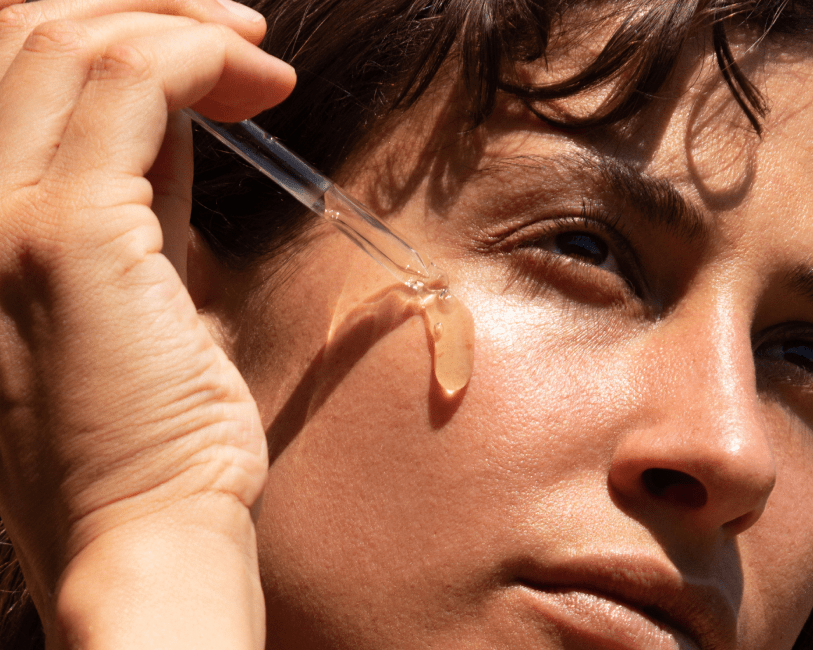
- Use a dropper to control how much serum you apply.
- Keep a simple log for two months to track changes.
These small steps make understanding how to layer skin care products correctly feel simple and safe.
Troubleshooting and when to see a pro
If you get stinging, burning, or persistent redness, stop the suspected product. Use a fragrance-free moisturizer and sunscreen only until skin calms.
See a dermatologist if:
- You have severe or lasting reactions.
- Breakouts worsen despite changes.
- You need prescription-strength treatments.
Being honest with a pro speeds recovery and helps create the right plan for how to layer skin care products correctly.
Frequently Asked Questions of how to layer skin care products correctly
Can I mix products with different pH levels?
Yes, but wait a minute between products. This helps each product settle and lowers the chance of irritation.
Do I need to wait between applying serums and moisturizers?
Wait about 30–60 seconds for light serums. If a product seems tacky, give it longer to absorb.
Should I apply oil before or after moisturizer?
Apply oil after water-based serums and before or after moisturizer depending on texture. Heavier oils work best as the final seal.
How do I layer if I use prescription retinoids?
Use prescription retinoids at night. Start slow and avoid using other exfoliants at the same time to reduce irritation.
How often should I change my routine?
Change routines slowly. Give at least 6–8 weeks for the skin to adapt before making major changes.
Conclusion
Mastering how to layer skin care products correctly is a small habit with big rewards. Start with thin-to-thick, separate AM and PM actives, and introduce one product at a time. Use sunscreen every morning and listen to your skin. Try the step-by-step checklist for a month and note the difference.
Take action today: simplify your routine, pick one new active to add, and track results for two months. If this guide helped, leave a comment or subscribe to get more simple skin tips.