How To Fix Damaged Skin Barrier Naturally: Easy Tips
Repair your skin barrier with gentle care: stop irritation, hydrate, use barrier-friendly ingredients, and simplify your routine.
I’ve worked with clients and tested routines for years, and I know how frustrating a damaged skin barrier can be. This article explains how to fix damaged skin barrier naturally with clear steps, easy ingredients, and everyday habits that really help. You’ll get science-backed tips, real-life experience, and a simple plan you can start today to calm redness, restore moisture, and protect your skin long term.
Understanding the skin barrier and why it matters
Your skin barrier is the outermost layer of skin that keeps water in and irritants out. Think of it as a brick wall: skin cells are bricks and lipids are the mortar. When the mortar is weak, the wall leaks.
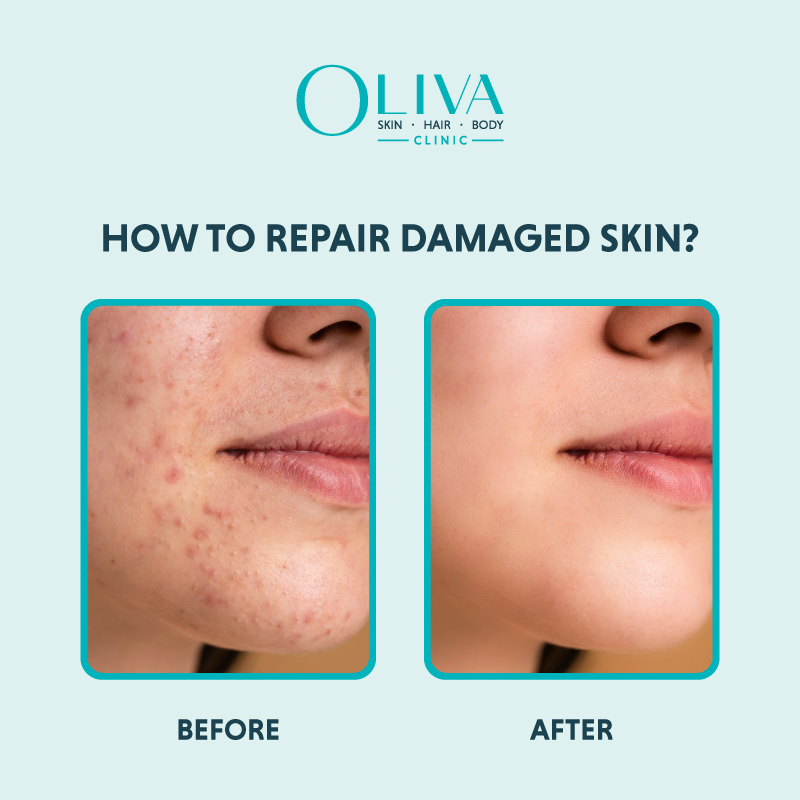
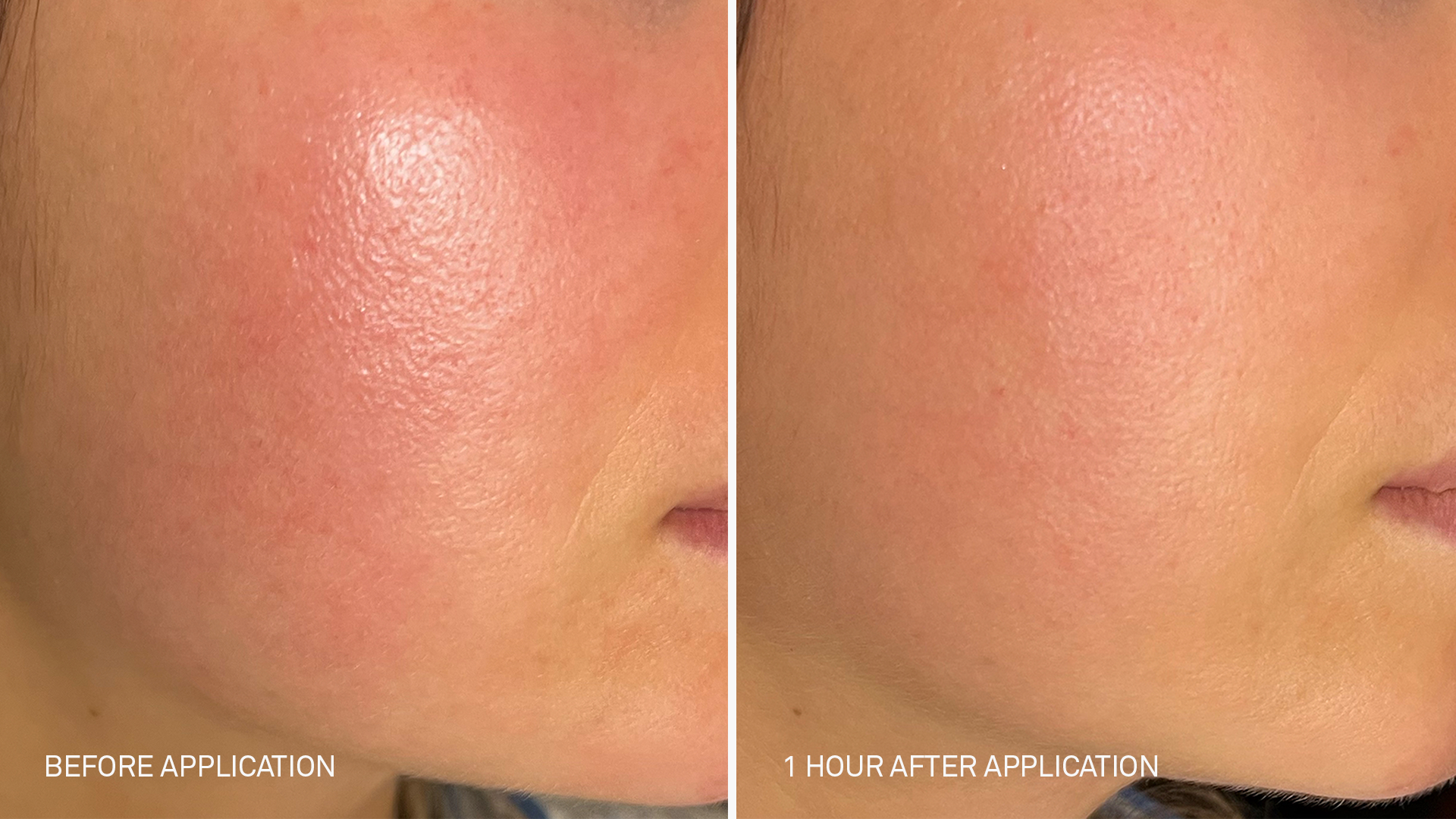
A damaged skin barrier feels tight, looks red, and may sting or peel. Fixing it means rebuilding the mortar—mostly lipids like ceramides, fatty acids, and cholesterol—while reducing stress and inflammation. This article focuses on how to fix damaged skin barrier naturally using gentle care, food, and lifestyle shifts you can trust.

Common signs of a damaged skin barrier
- Tightness or constant dryness even after moisturizing. This shows the barrier is failing to lock in water.
- Redness, stinging, or burning when you apply products. Reactive skin often means the barrier is compromised.
- Increased sensitivity to sunscreens or fragrances. Ingredients that were fine before suddenly irritate.
- Flaky, rough patches or visible peeling. Surface cells are not bonding well.
- Breakouts or inflammation that feel different from normal acne. Barrier damage can trigger clogged pores and microbes.
how to fix damaged skin barrier naturally begins with spotting these signs and pausing anything that makes them worse.

Top causes of barrier damage
- Over-exfoliation. Using strong acids or physical scrubs too often strips lipids and proteins.
- Harsh cleansers. Soaps and high pH cleansers remove natural oils and disrupt skin balance.
- Overuse of active ingredients. Too much retinol, benzoyl peroxide, or strong acids inflame the barrier.
- Environmental stress. Cold wind, dry indoor heat, and sun exposure dry and weaken skin.
- Poor diet, sleep, and chronic stress. These reduce skin repair capacity and slow lipid production.
- Allergic reactions or frequent patching. Repeated irritation from adhesives or fragrances adds up.
Knowing the cause helps you choose the right approach for how to fix damaged skin barrier naturally.

Natural steps to repair and restore your skin barrier
- Stop the damage first
- Pause harsh treatments and active ingredients for at least 2–4 weeks.
- Skip exfoliants, retinoids, and acids until your skin calms.
- Cleanse gently
- Use a low-pH, creamy, or oil-based cleanser once or twice daily.
- Keep water lukewarm and pat skin dry with a soft towel.
- Hydrate the skin
- Apply a lightweight humectant like glycerin or hyaluronic acid to wet skin.
- Humectants draw moisture in but need occlusion to prevent evaporation.
- Replenish lipids
- Layer a moisturizer with ceramides, cholesterol, or fatty acids morning and night.
- Use an occlusive like squalane, jojoba, or a thin layer of sunflower seed oil to seal in moisture.
- Protect from the sun
- Use a mineral sunscreen with zinc oxide or titanium dioxide daily.
- Mineral sunscreens tend to be less irritating to compromised skin.
- Keep routines simple
- Use no more than three gentle products while healing: cleanser, hydrating serum, moisturizer.
- Avoid fragrance and unnecessary extras.
These steps form the core of how to fix damaged skin barrier naturally. Be patient—visible repair often takes 2–6 weeks.
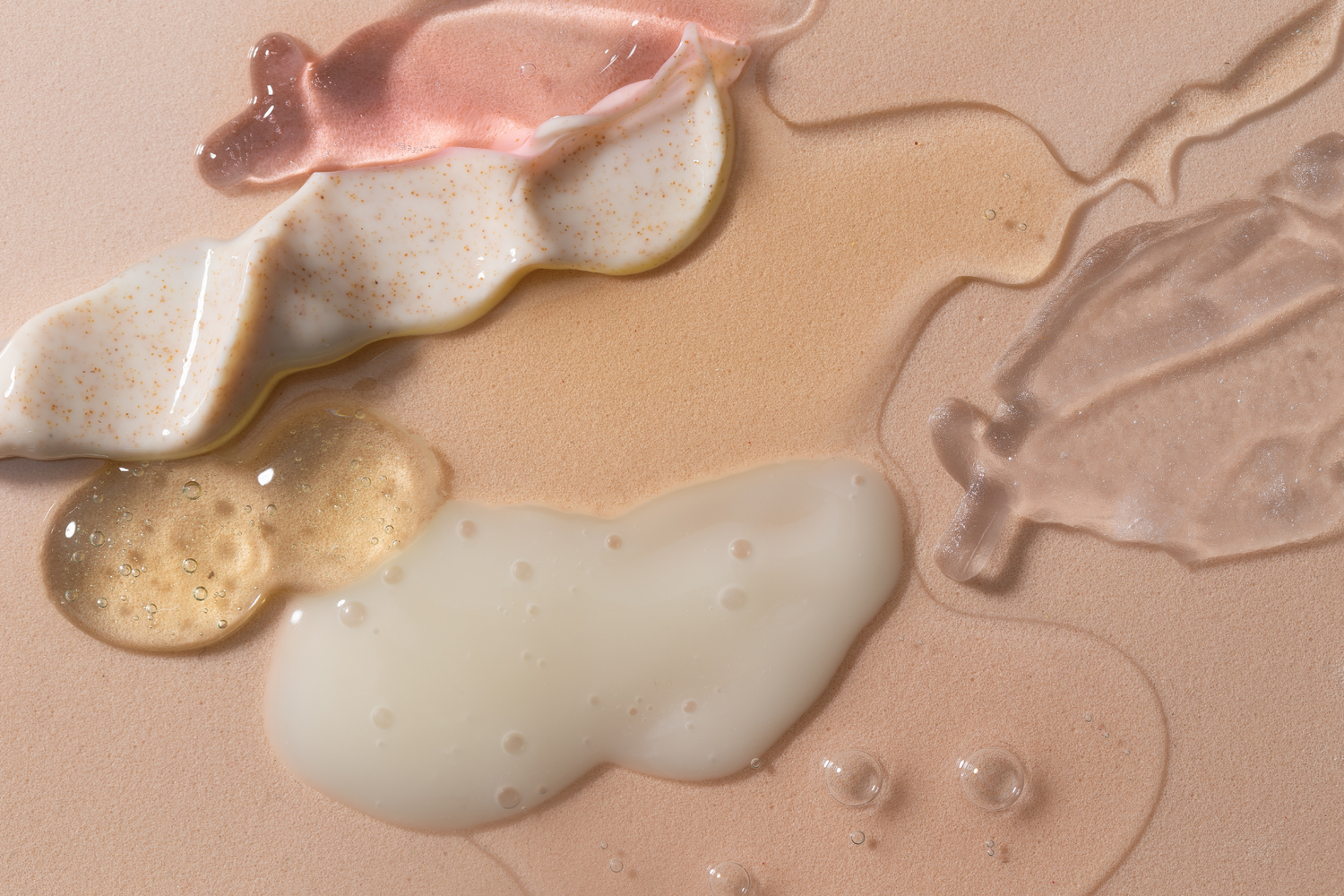
Effective natural ingredients and how to use them
- Ceramides
- Help rebuild the skin’s “mortar.” Look for topical creams labeled with ceramides.
- Niacinamide
- Low-dose niacinamide reduces redness and supports barrier lipids; use around 2–5%.
- Hyaluronic acid and glycerin
- Hydrate the skin. Apply to damp skin and follow with a moisturizer.
- Squalane and plant oils
- Lightweight squalane mimics skin oil and helps seal moisture without clogging pores.
- Oat extract (colloidal oatmeal)
- Calms inflammation and soothes itching; great in masks or cleansers.
- Shea butter or ceramide-rich balms
- Use sparingly as overnight repair for dry areas.
When considering how to fix damaged skin barrier naturally, choose single-ingredient products and patch test on a small area first.

A simple daily routine to rebuild your barrier
Morning
- Cleanse: Gentle low-pH or water rinse only if skin feels oily.
- Hydrate: Apply a humectant serum to damp skin.
- Moisturize: Use a ceramide-rich moisturizer.
- Protect: Apply mineral sunscreen as the final step.
Evening
- Cleanse: Use a gentle cleansing oil or cream.
- Hydrate: Apply hyaluronic acid or glycerin to damp skin.
- Repair: Apply a nourishing moisturizer and a light facial oil if needed.
Stick to this routine and avoid layering many active products. This practical routine shows how to fix damaged skin barrier naturally with minimal effort.
Diet, sleep, and habits that support healing
- Eat foods rich in omega-3 and omega-6 fatty acids
- Fatty fish, walnuts, flaxseed, and chia support skin lipids.
- Prioritize protein and vitamin C
- Collagen-building amino acids and vitamin C help repair skin structure.
- Stay hydrated
- Drink water and limit dehydrating alcohol and caffeine.
- Sleep and stress management
- Deep sleep and stress reduction boost skin cell turnover and repair.
- Avoid smoking and heavy alcohol
- Both impair skin healing and increase inflammation.
These lifestyle moves boost your body’s ability to fix damaged skin barrier naturally from the inside out.

What to avoid while you repair the barrier
- Avoid harsh scrubs and devices that cause friction.
- Avoid frequent hot showers that strip oils.
- Avoid mixing new actives; introduce one at a time after healing.
- Avoid scented products and essential oils on sensitive skin.
- Avoid heavy occlusives if you’re acne-prone without testing first.
Removing these habits removes ongoing damage and speeds up recovery.

When to see a dermatologist or professional
- If your skin worsens despite 4–6 weeks of gentle care, see a pro.
- Seek help for severe pain, open wounds, heavy peeling, or signs of infection.
- A dermatologist can prescribe barrier-repair creams, topical steroids for inflammation, or targeted therapies.
Professional care speeds recovery in stubborn or severe cases and helps rule out skin conditions that mimic barrier damage.
Frequently Asked Questions of how to fix damaged skin barrier naturally
What is the fastest natural way to heal a damaged skin barrier?
Reduce irritation immediately, use gentle cleansing, hydrate with humectants, and apply a ceramide-rich moisturizer twice daily. Keep your routine simple and avoid actives until symptoms calm.
Can diet really help repair the skin barrier?
Yes. Eating omega-3s, vitamin C, protein, and antioxidants supports lipid production and collagen repair, which helps restore the barrier over time.
How long does it take to repair a damaged skin barrier naturally?
Most people see improvement in 2–6 weeks with consistent gentle care, while full recovery can take longer depending on severity and underlying causes.
Is it okay to use oils like coconut or olive on damaged skin?
Avoid comedogenic oils like coconut if you are acne-prone. Lighter oils such as squalane and sunflower seed oil are better choices for sealing moisture without clogging pores.
Can I use niacinamide or hyaluronic acid while repairing my barrier?
Low concentrations of niacinamide and humectants like hyaluronic acid are usually fine and can help repair, but patch test first and stop if irritation occurs.
Should I stop using sunscreen while healing?
No. Continue using a gentle mineral sunscreen to protect healing skin from UV damage, which can slow repair.
Conclusion
Fixing a damaged skin barrier naturally is about stopping harm, rebuilding lipids, hydrating smartly, and supporting the body with good food and rest. Start with a pared-down routine, use barrier-friendly ingredients like ceramides and squalane, and allow time for repair. I’ve guided many people through this process—consistency and patience pay off.
Take action today: simplify your routine, add one supportive ingredient, and track changes for a month. If you found this helpful, leave a comment or subscribe for more practical skin care advice.