Skin Care Mistakes That Cause Acne: Fix Them Fast
Many common skin care mistakes that cause acne come from overcleansing, wrong products, and pore-clogging habits.
I have worked with skin care pros and tested routines for years, so I know how small habits turn into big breakouts. This guide digs into the most common skin care mistakes that cause acne, explains why they matter, and shows simple fixes you can use right away. Read on for clear steps, real-life tips, and easy swaps to help clear your skin and stop repeat breakouts.
Most common mistakes that trigger breakouts
Acne often comes from simple, repeatable errors. Many people repeat the same skin care mistakes that cause acne without knowing it. Here are the most frequent culprits and why they matter.
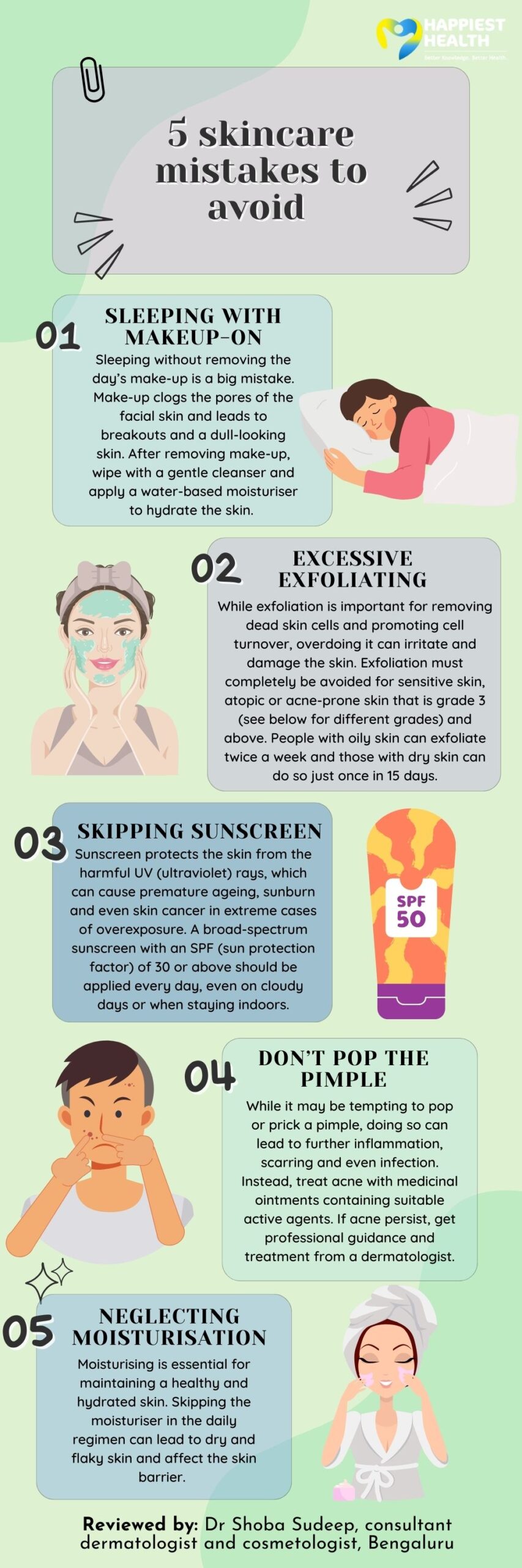
- Using harsh cleansers that strip skin and raise oil production. Cold water and mild cleansers work much better.
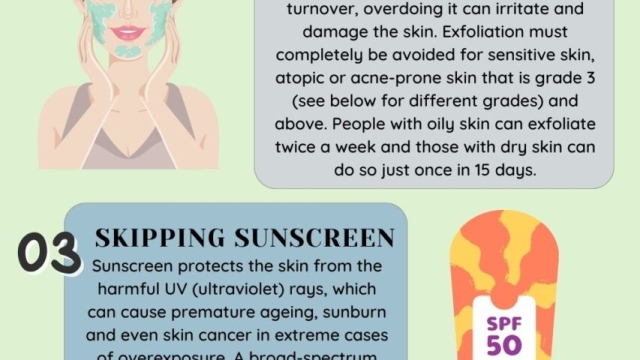
- Over-exfoliating with strong acids or rough scrubs. Too much exfoliation damages the skin barrier and invites inflammation.
- Piling on heavy creams or wrong oils. Some oils and occlusive creams can clog pores and feed acne.
- Sleeping on dirty pillowcases or touching your face. Bacteria and oil transfer can start new pimples.
- Layering too many active ingredients without a plan. Mixing acids, retinoids, and vitamin C can cause irritation and rebound breakouts.
I once used an intense scrub every night to “keep pores clean.” It only made my skin red and oily. I switched to a gentle daily cleanser and fewer treatments. The breakouts calmed in weeks. That taught me how small changes beat aggressive fixes.
Product misuse: pairing and overuse problems
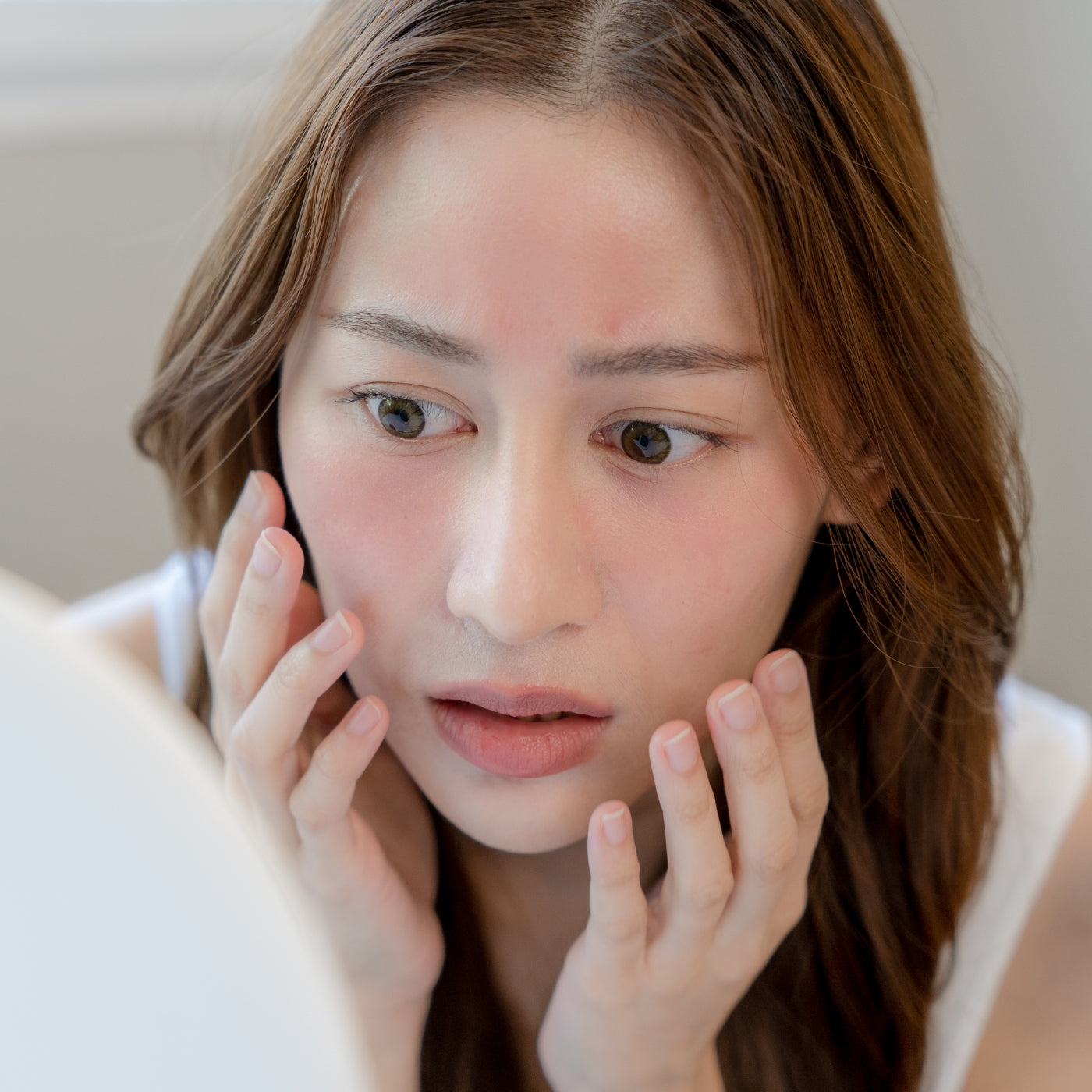
Misusing products is one of the top skin care mistakes that cause acne. The wrong mix or too many steps can harm your skin.
- Mixing strong acids with retinoids causes irritation and loss of barrier function. Use them on separate nights.
- Applying too much product at once can trap sweat and oil. Use pea-sized amounts for actives.
- Replacing sunscreen with tinted moisturizers fails to protect skin. Sun damage can worsen acne scars.
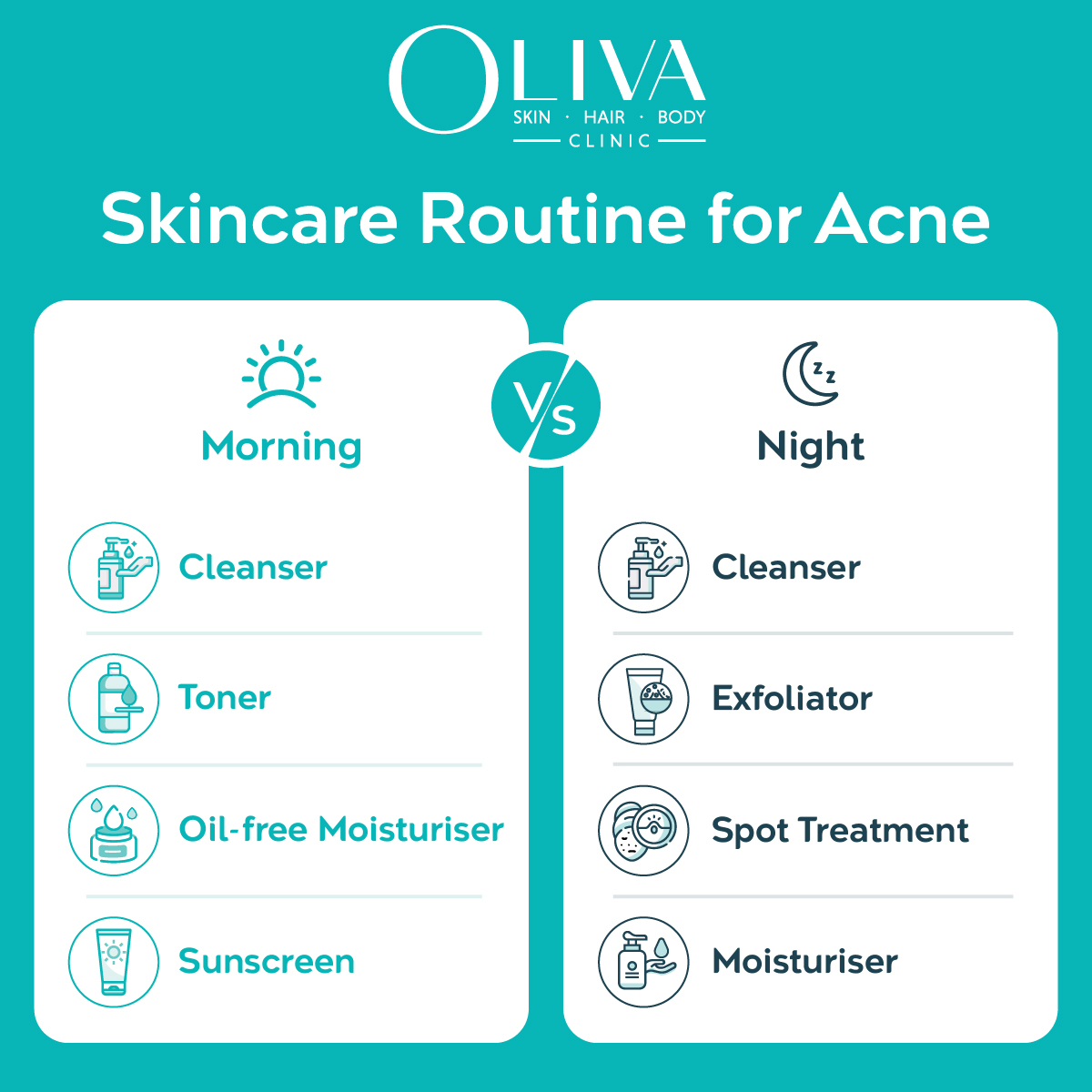
Keep a simple routine. Cleanse, treat, hydrate, and protect. Use targeted actives only as needed. I test formulas and I find fewer products often mean fewer breakouts. Trust slow change over quick fixes.

Cleansing mistakes: overcleansing and undercleansing
Cleaning the skin wrongly is a key source of problems. Both extremes can lead to breakouts.
- Overcleansing removes oils and triggers more oil production. That can worsen acne.
- Undercleansing leaves dirt, oil, and dead skin that clog pores. Nighttime cleansing is vital.
- Using very hot water strips the skin. Use lukewarm water to keep the barrier intact.
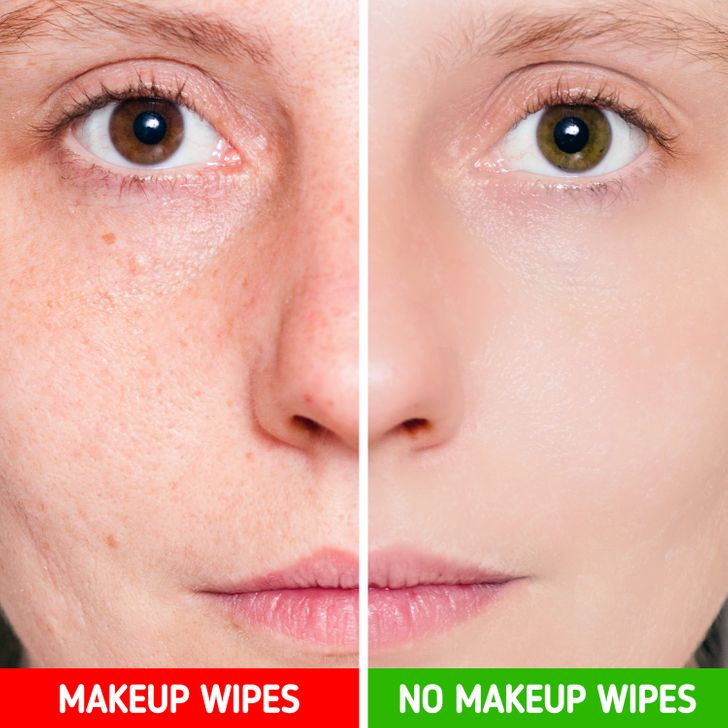
A good rule is twice daily cleansing with a gentle, pH-balanced wash. If you wear heavy makeup, use a mild oil cleanser first, then a foaming or cream cleanser. I often recommend a simple double-cleanse only on makeup days to avoid over-washing.

Ingredient mistakes: what to avoid and what to use
Choosing the wrong ingredient is a common way people make skin care mistakes that cause acne. Know what helps and what harms.
- Avoid heavy comedogenic oils if you are acne-prone. Examples include cocoa butter and some coconut oil blends.
- Be cautious with pore-clogging silicones in thick creams. They can trap oil and bacteria.
- Look for acne-friendly ingredients: benzoyl peroxide, salicylic acid, niacinamide, azelaic acid, and non-comedogenic hyaluronic acid.
- Introduce one active at a time. Patch test new actives for a week before full use.
I learned to read labels closely after a bad reaction to a trendy oil blend. Now I check for "non-comedogenic" and prioritize proven actives. That cut down my breakouts quickly.

Makeup, brushes, and tool hygiene
Makeup and tools often spread bacteria. They are easy but commonly ignored causes of acne.
- Clean brushes and sponges weekly to prevent microbial buildup. Replace sponges every few months.
- Avoid heavy, long-wear makeup on breakout-prone days. Lighter formulas breathe better.
- Remove makeup before bed. Sleeping in makeup is a top skin care mistake that cause acne.
I keep a spare set of clean tools and wash them on Saturday nights. That small habit saved me from recurring cheek breakouts tied to a dirty sponge.
Lifestyle factors that contribute to acne
Skin care mistakes that cause acne are not only about creams. Your lifestyle matters too.
- Diets high in refined carbs and dairy can worsen breakouts for some people. Try a short trial of lower-sugar meals.
- Poor sleep and stress raise hormones that feed oil production. Aim for consistent sleep and stress breaks.
- Heavy sweating in tight clothing traps bacteria against skin. Shower after heavy workouts and wear breathable fabrics.
I noticed my chin breakouts flared during exam season when sleep fell and stress rose. Fixing sleep habits and simplifying my routine helped calm my skin.

How to fix common mistakes and build a clear-skin routine
Fixing skin care mistakes that cause acne is about steady change. Follow clear steps and track results.
- Simplify your routine
- Cleanse twice daily with a gentle gel or cream.
- Use one active treatment at a time and add slowly.
- Moisturize with a non-comedogenic lotion and use sunscreen daily.
- Introduce treatments carefully
- Start salicylic acid 1–2 times a week, then build to daily use.
- Add benzoyl peroxide for inflammatory spots, but use low concentrations first.
- Use retinoids at night, beginning twice weekly to build tolerance.
- Clean tools and surfaces
- Wash pillowcases every few days.
- Clean phones and change towels often.
- Track changes
- Wait 6–8 weeks to judge a new product. Acne can flare before it clears.
My rule: test one change at a time and give it eight weeks. This makes it easy to find what works and what doesn’t without creating more problems.
When to see a dermatologist
Sometimes DIY fixes are not enough. Knowing when to see a pro prevents wasted time.
- See a dermatologist if acne is severe, painful, or leaving deep scars. Early expert care can prevent lasting marks.
- If over-the-counter steps fail after three months, book a consult. Prescription options and tailored plans often work faster.
- Consider testing for hormonal causes if breakouts are cyclic or concentrated on the jawline.
I referred many readers to a derm after months of stubborn cysts. Prescription therapy and a plan made the difference in weeks.
Frequently Asked Questions of skin care mistakes that cause acne
Why does over-exfoliation cause acne?
Over-exfoliation strips the protective skin barrier. That increases oil production and inflammation, which can lead to more acne.
Can sunscreen cause breakouts?
Some sunscreens can feel heavy or clog pores, but many non-comedogenic sunscreens are safe. Look for labels that say non-comedogenic and oil-free.
Is it bad to sleep in makeup once in a while?
Occasional slip-ups happen, but sleeping in makeup often clogs pores and feeds bacteria. Make nightly cleansing a habit to avoid breakouts.
Do certain foods really cause acne?
Some people see breakouts from high-glycemic foods and dairy. Individual response varies, so try a short diet trial to see if it helps you.
How long before I see improvement after changing my routine?
Expect to wait 6–8 weeks for clear signs of improvement. Skin renewal takes time, so be patient and track what you change.
Can natural oils help acne-prone skin?
Some light oils are okay for some people, but many natural oils can clog pores. Patch test and choose non-comedogenic formulas.
Will over-washing my face reduce oil and stop acne?
No. Over-washing usually increases oil production and can worsen acne. Stick to gentle cleansing twice daily for best results.
Conclusion
Small, repeated errors often drive persistent breakouts. By avoiding skin care mistakes that cause acne—like overcleansing, wrong ingredients, dirty tools, and poor sleep—you can make steady progress. Start simple, track one change at a time, and give your skin weeks to respond. If acne is severe or scarring, seek expert care. Try one clear swap this week and watch how your skin reacts, then build on that success. Share your progress or questions below and consider subscribing for more skin care tips.