Night Skin Care Routine For Acne Prone Skin: Clear Skin Plan
A gentle cleanse, targeted actives, and light hydration each night calm breakouts and heal skin.
I’ve worked with acne-prone skin for years, helping people reduce breakouts with a practical night skin care routine for acne prone skin that fits busy lives. This guide is backed by experience and research, and it walks you step-by-step through a simple, effective night skin care routine for acne prone skin so you can wake up to calmer, clearer skin.

Why a night skin care routine matters for acne-prone skin
Night is when skin repairs, sheds dead cells, and responds best to active ingredients. A consistent night skin care routine for acne prone skin controls oil, unclogs pores, and speeds healing without stressing the skin.
Treating acne at night reduces daytime irritation from sun and pollution. A good night routine sets the stage for fewer breakouts and less redness over weeks.

Step-by-step night skin care routine for acne prone skin
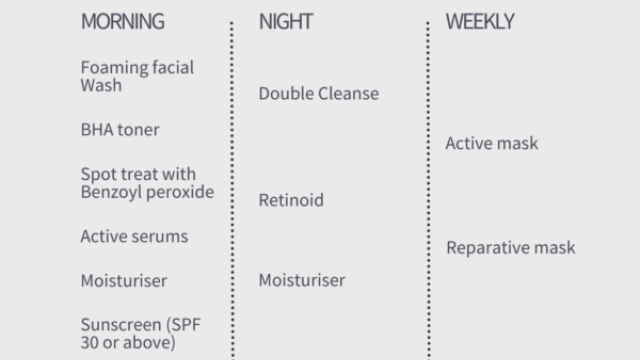
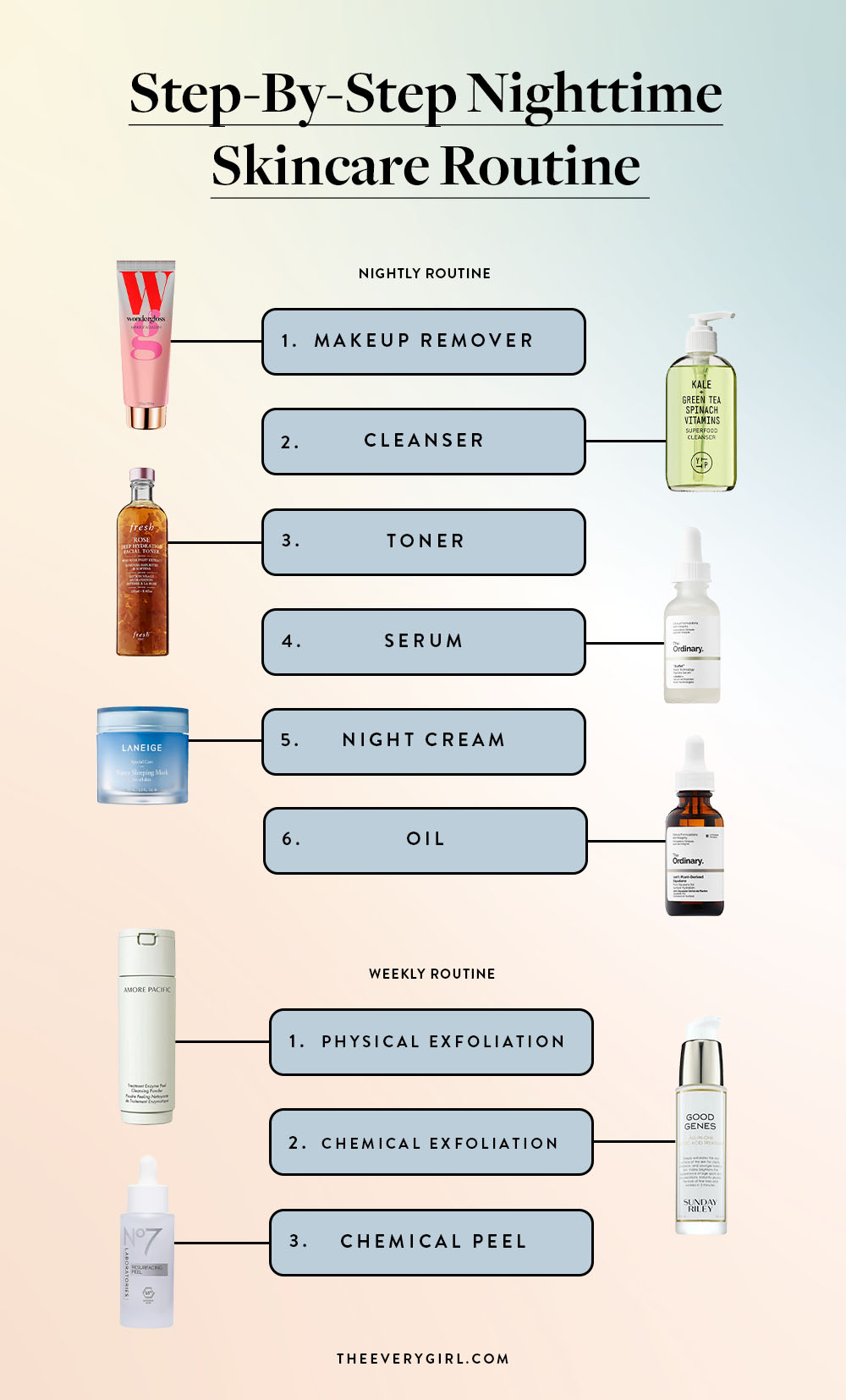
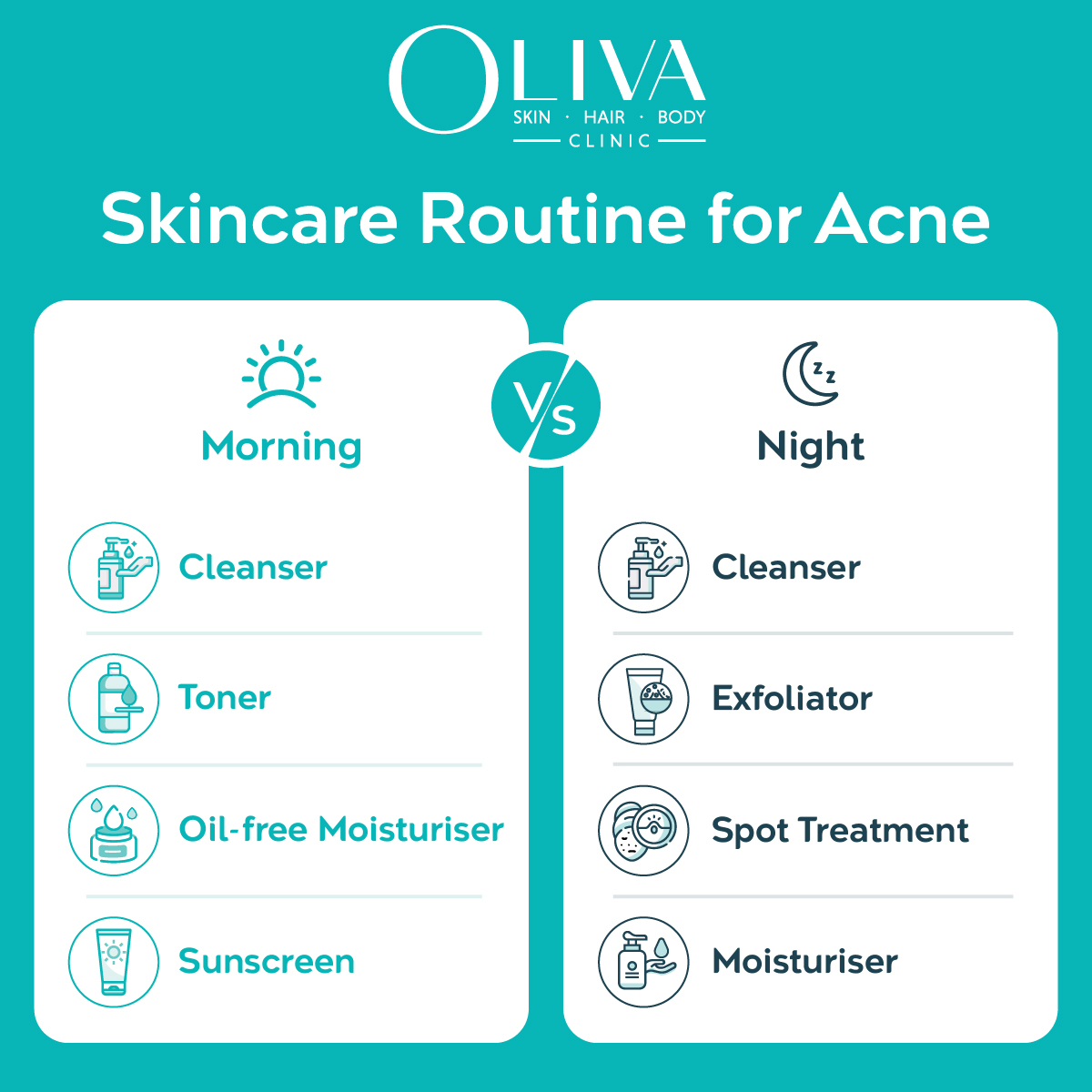
Follow these steps in order for the best results with a night skin care routine for acne prone skin.
- Cleanse
- Use a gentle, sulfate-free cleanser twice a day. This removes oil, dirt, and makeup without stripping skin.
- Double-cleanse when needed
- If you wore sunscreen or makeup, follow the first cleanse with a water-based cleanser to finish the job.
- Tone or pH-balance (optional)
- Use an alcohol-free toner to restore pH and prep skin for actives.
- Apply targeted actives
- Use salicylic acid for blocked pores or a retinoid for cell turnover. Apply one active at a time to avoid irritation.
- Spot treat
- Use benzoyl peroxide or sulfur on active pimples only. Apply as a thin layer and let it dry.
- Hydrate and moisturize
- Choose a non-comedogenic, oil-free moisturizer or a lightweight gel. Hydration prevents rebound oil production.
- Seal with an occlusive if needed
- If your skin is dry from treatment, use a thin layer of petrolatum or a barrier balm to lock moisture.
- Optional weekly add-ons
- Use a gentle chemical exfoliant 1–2 times a week. Avoid physical scrubs that irritate acne.
This night skin care routine for acne prone skin should be introduced slowly. Start with one active, then add another after two to four weeks if tolerated.
Active ingredients to use and avoid for acne-prone skin
Choose actives by what your skin needs. Following a clear plan keeps results steady and irritation low.
Ingredients to use
- Salicylic acid: Oil-soluble BHA that clears pores and reduces blackheads.
- Benzoyl peroxide: Kills acne bacteria and reduces inflammation.
- Retinoids: Improve cell turnover and reduce clogged pores over time.
- Azelaic acid: Fights inflammation and evens skin tone.
- Niacinamide: Soothes redness and supports barrier function.
- Hyaluronic acid: Lightweight hydration that pairs well with actives.
Ingredients to avoid or use with caution
- Heavy oils and butter such as coconut oil, which can clog pores.
- Fragrance and high concentrations of alcohol, which cause dryness and irritation.
- Mixing strong actives at once (for example, benzoyl peroxide with certain retinoids) without guidance.
When building your night skin care routine for acne prone skin, patch test new products and introduce one active at a time. This helps identify what works and what irritates.

Lifestyle and sleep habits that support your night skin care routine
Small habits reinforce your nightly routine and reduce acne triggers.
- Change pillowcases twice a week to cut oil and bacteria transfer.
- Sleep on clean sheets and avoid touching your face while sleepy.
- Keep phones and glasses clean to prevent bacterial transfer.
- Prioritize 7 to 9 hours of sleep to support skin repair and hormone balance.
- Eat a balanced diet; high sugar and dairy can trigger flare-ups for some people.
These lifestyle steps boost the effects of your night skin care routine for acne prone skin and make results more consistent.
Common mistakes and how to fix them
Avoid habits that undo your progress with acne-prone skin.
-
Over-cleansing
- Problem: Strips oils and causes rebound oil production.
- Fix: Cleanse twice daily with a gentle formula.
-
Using too many actives at once
- Problem: Increases irritation and sensitivity.
- Fix: Introduce one active every 2–4 weeks.
-
Skipping moisturizer
- Problem: Dry skin from treatments can worsen acne.
- Fix: Use a light, non-comedogenic moisturizer nightly.
-
Picking and popping
- Problem: Spreads bacteria and causes scars.
- Fix: Use spot treatments and hands-off strategy.
-
Not being consistent
- Problem: Intermittent care gives mixed results.
- Fix: Stick with the night skin care routine for acne prone skin for at least 8–12 weeks to see change.

Personal experience and practical tips
Early in my work with acne, I used too many products at once and made skin worse. I learned to start slow, track reactions, and focus on hydration. A simple night skin care routine for acne prone skin of cleanse, one active, and a light moisturizer helped my clients see steady improvement.
Try this tip: on nights you use a retinoid, skip harsh exfoliants and add a soothing serum instead. Patience is key—most treatments need weeks to show benefit. Celebrate small wins like fewer inflamed spots or less redness.

Frequently Asked Questions of night skin care routine for acne prone skin
How often should I use a retinoid in my night skin care routine for acne prone skin?
Start with two nights per week and build up to nightly use as tolerated. If irritation appears, reduce frequency and use a moisturizer buffer.
Can I use benzoyl peroxide and salicylic acid together at night?
You can use them in the same routine, but avoid layering heavy doses. Use salicylic acid as a leave-on exfoliant and benzoyl peroxide as a spot treatment if needed.
Will moisturizing at night make my acne worse?
A non-comedogenic, lightweight moisturizer will not make acne worse and often helps reduce irritation from active treatments. Hydration supports barrier repair and reduces oil rebound.
How long until I see results from a new night skin care routine for acne prone skin?
Most people see early improvements in 4 to 8 weeks and clearer skin in 8 to 12 weeks. Some treatments like retinoids require consistent use for several months.
Should I sleep with makeup on if I’m too tired?
No. Sleeping with makeup clogs pores and encourages bacteria growth. Keep a gentle cleanser and cleansing wipes handy for late nights.
Conclusion
A focused, gentle night skin care routine for acne prone skin gives your skin the best chance to heal. Cleanse well, introduce one active at a time, hydrate nightly, and pair your routine with good sleep and clean habits. Start small, track progress, and stay consistent for real change. Try today: pick one active, commit to a nightly moisturizer, and check back in three weeks to note improvements. Leave a comment with your biggest night routine challenge or subscribe to get more tips and routines.