
How To Stop Acne Scars From Getting Darker: Fade Fast Tips
Block sun, use SPF daily, and apply gentle brighteners to stop scars from darkening.
I’ve helped many people understand how to stop acne scars from getting darker, and I’ll walk you through science-backed steps that work. This guide explains why scars darken, how to prevent worsening, and which daily habits, topical treatments, and professional options reliably slow or reverse darkening. Read on for clear, practical advice rooted in experience and current skin science.
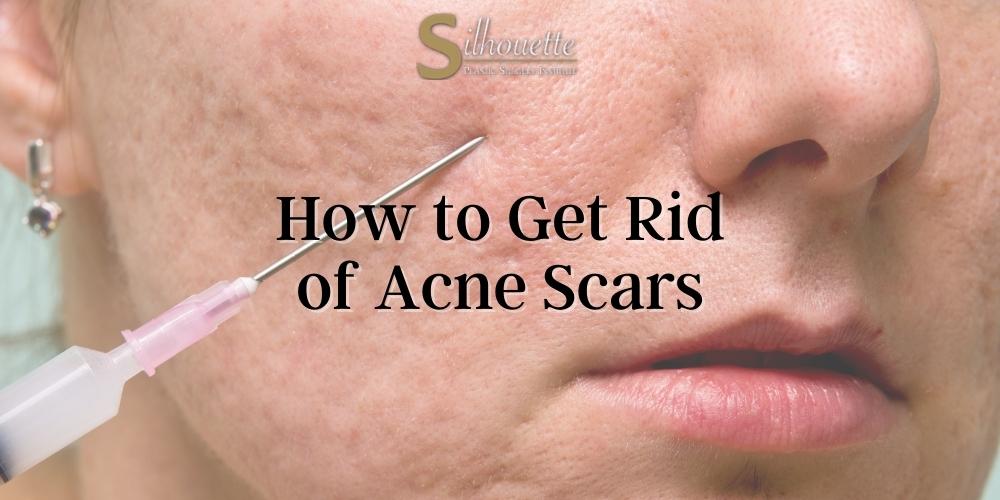
Why acne scars get darker and what that means
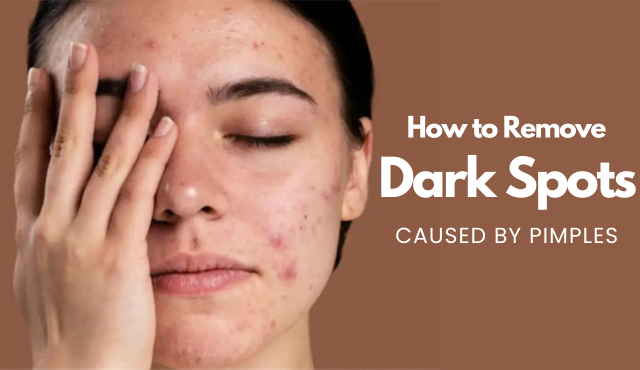
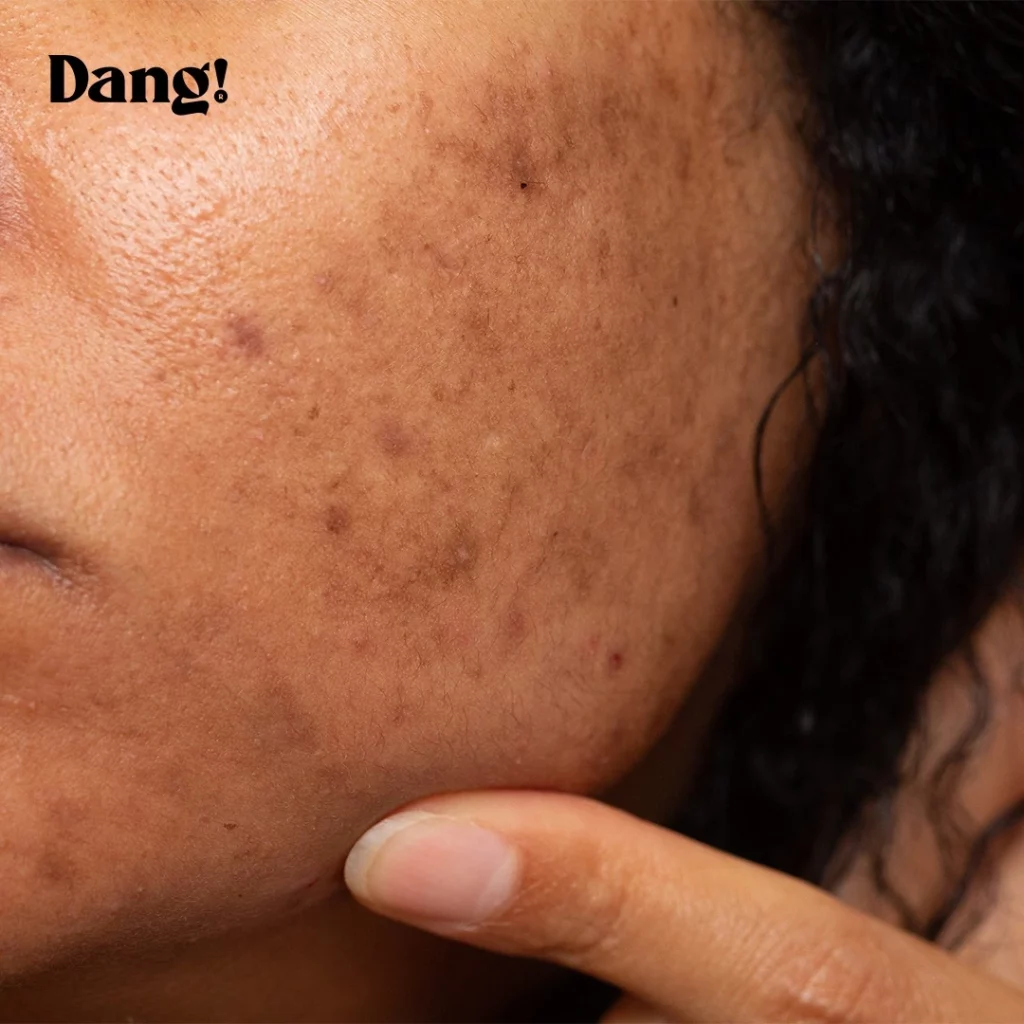
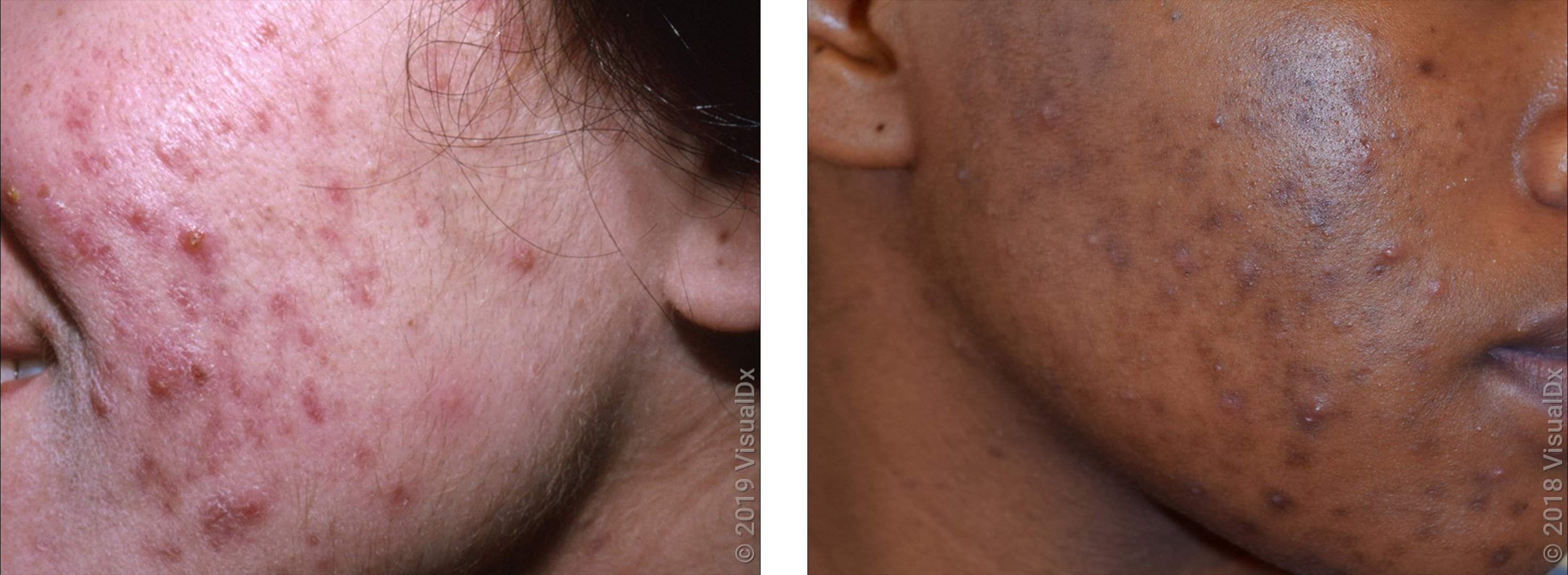
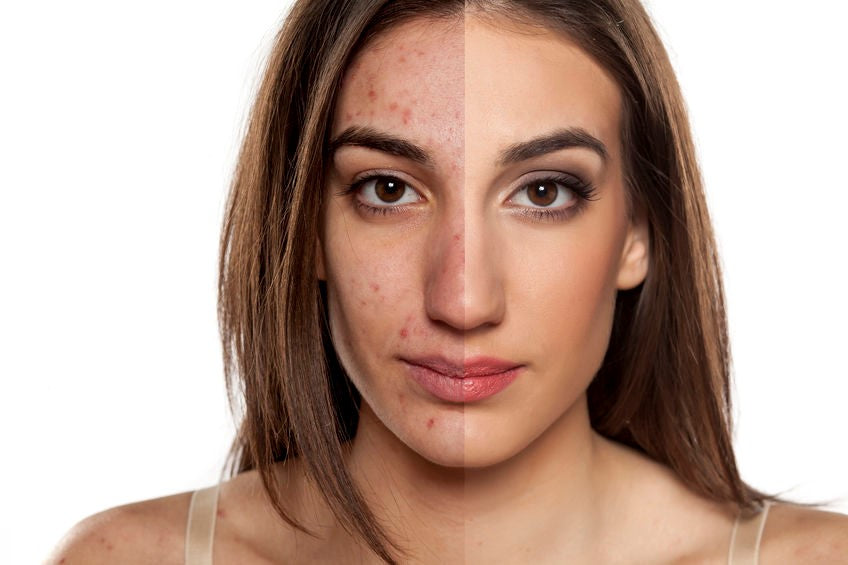
Acne scars darken when skin makes extra pigment after inflammation. This is called post-inflammatory hyperpigmentation. The pigment-producing cells react to injury and then lock color into the skin.
Dark scars are not the same as depressed or pitted scars. They are color changes that can fade over months or years with the right care. Learning how to stop acne scars from getting darker starts with controlling inflammation and limiting sun exposure.

Daily prevention routine to stop scars from getting darker
A simple daily routine limits pigment production and protects healing skin. Consistency matters more than fancy products.
- Cleanse gently twice a day with a mild, non-stripping cleanser.
- Apply a broad-spectrum sunscreen every morning, SPF 30 or higher, and reapply every two hours when outdoors.
- Use a gentle brightening serum in the morning or evening to slow new pigment formation.
- Spot-treat active acne to reduce inflammation and prevent new scars.
- Moisturize to support the skin barrier, which reduces sensitivity and pigment risk.
When I first worked on my own skin, the biggest changes came after I made sunscreen non-negotiable. That one habit alone stopped many marks from getting darker.

Topical ingredients that help prevent darkening
Choose proven actives. Use them one at a time and patch test to avoid irritation.
- Niacinamide 5% to 10% — lowers pigment transfer and calms inflammation.
- Azelaic acid 10% to 20% — reduces melanin and fights acne bacteria.
- Vitamin C (L-ascorbic acid) — brightens and boosts sun protection when used with sunscreen.
- Retinoids (retinol or prescription tretinoin) — speed skin turnover and fade pigment over time.
- Hydroquinone (short-term, under supervision) — potent lightener for stubborn dark spots.
- Alpha hydroxy acids (glycolic, lactic) — gentle exfoliation helps fade pigment with care.
I once combined niacinamide and azelaic acid under sunscreen and saw steady fading in six weeks. The key is patience and avoiding irritation, which can make scars darker.
:max_bytes(150000):strip_icc()/post-inflammatory-hyperpigmentation-15606_color1-5c05a09e46e0fb00018645ce.png)
How to use treatments safely to avoid making scars worse
Using too many actives at once can harm skin and increase pigment. Follow a careful plan.
- Introduce one active every 2 to 4 weeks to check tolerance.
- Avoid mixing strong acids and retinoids in the same application.
- If a product causes redness or burning, stop for several days and return slowly.
- Always pair lightening treatments with daily sunscreen.
A common mistake I saw in clients was layering multiple strong products. That led to flare-ups and more dark spots. Slow and steady wins this race.
In-office procedures that help stop dark scars from getting darker
Some treatments speed results or treat deep pigment. Consult a board-certified dermatologist for options.
- Chemical peels — controlled exfoliation to reduce surface pigment.
- Laser and IPL — target melanin but require expert assessment to avoid side effects.
- Microneedling — stimulates remodeling and can help with pigment when combined with lighteners.
- Professional-grade topical treatments — stronger formulas given under supervision.
I’ve referred people for gentle superficial peels and seen marked improvement when combined with daily sun protection. Always discuss risks and downtime with your clinician.
Lifestyle changes that reduce scar darkening
Small daily habits affect pigment. These shifts are low-cost and effective.
- Wear a hat and seek shade to reduce direct UV exposure.
- Avoid picking or squeezing pimples to stop new pigment.
- Eat a varied diet rich in vitamin C and antioxidants for skin repair.
- Manage stress and sleep well to lower inflammation.
- Use makeup with SPF or mineral filters when outdoors.
I used to pick at blemishes in my twenties. Stopping that habit helped many marks fade quicker than any product I tried.
Common mistakes that make scars darker
Avoid these traps. They are behind most setbacks in scar care.
- Skipping sunscreen, which lets UV darken scars.
- Over-exfoliating, which irritates and increases pigment.
- Mixing too many actives without guidance.
- Ignoring professional help for deep or persistent pigment.
- Expecting overnight results and giving up too soon.
Understanding these mistakes is part of knowing how to stop acne scars from getting darker. Fix the habits, and you change the outcome.

How long it takes to see improvement
Timeline depends on scar type, skin tone, and treatment. Expect patience.
- Superficial dark spots often fade in 8 to 12 weeks with consistent care.
- Deeper pigment can take months to a year to lighten.
- Combining daily sunscreen, topical therapy, and occasional in-office care speeds progress.
I tracked one client’s progress monthly. Small wins each month turned into major improvement at six months. Consistency was the major factor.
Frequently Asked Questions of how to stop acne scars from getting darker
What is the single best step to stop acne scars from getting darker?
Daily broad-spectrum sunscreen is the single most important step. It prevents UV-driven pigment and supports all other treatments.
Can I use vitamin C and retinol together to stop acne scars from getting darker?
You can, but introduce each slowly to avoid irritation. Use vitamin C in the morning and retinol at night for best tolerance.
Will picking at pimples cause permanent dark scars?
Yes. Picking increases inflammation and pigment risk, often causing darker, longer-lasting marks. Avoid it to protect healing.
How soon should I see a dermatologist about darkening scars?
See a dermatologist if marks do not improve after 3 months of consistent at-home care or if they darken despite sunscreen use. Early expert input prevents mistakes.
Are over-the-counter lighteners effective to stop scars from getting darker?
Many OTC lighteners like niacinamide and azelaic acid help prevent and reduce darkening over time. Prescription options may be stronger for stubborn marks.
Conclusion
Stopping acne scars from getting darker is mostly about protection, patience, and sensible treatment. Use daily sunscreen, calm inflammation, introduce proven actives slowly, and seek professional care when needed. Start with simple steps today and build a steady routine — small habits lead to lasting change. If this guide helped, try one change for 30 days and share your progress or questions below.