
How To Apply Serum Correctly On Face: Step-By-Step Guide
Apply serum to clean, slightly damp skin using gentle patting from center outward.
I’ve helped hundreds of people refine their skincare routines and tested many serums myself. This guide explains exactly how to apply serum correctly on face, step by step, with simple tips, ingredient notes, and real-life pointers so you get the best results without waste or irritation. Read on to master your serum routine and see visible skin benefits.

Why serums matter for your skin
Serums are lightweight formulas with concentrated active ingredients. They target specific concerns like hydration, fine lines, dark spots, and redness. Because serums have small molecules, they can penetrate deeper than creams and deliver potent actives directly where skin needs them.
Using serums the right way boosts their effectiveness. Learning how to apply serum correctly on face makes a real difference in results and in how long a bottle lasts. Treat serums as precise tools, not just another layer in your routine.

When to use serum in your routine
Serums go after cleansing and toning and before moisturizers and oils. This order ensures the serum's actives hit skin unhindered and the heavier products lock them in. Use a vitamin C serum in the morning for antioxidant protection and a retinol or peptide serum at night for repair.
How to apply serum correctly on face also depends on your routine: for layering, work from thinnest to thickest texture. If you wear sunscreen, serum always comes before it.
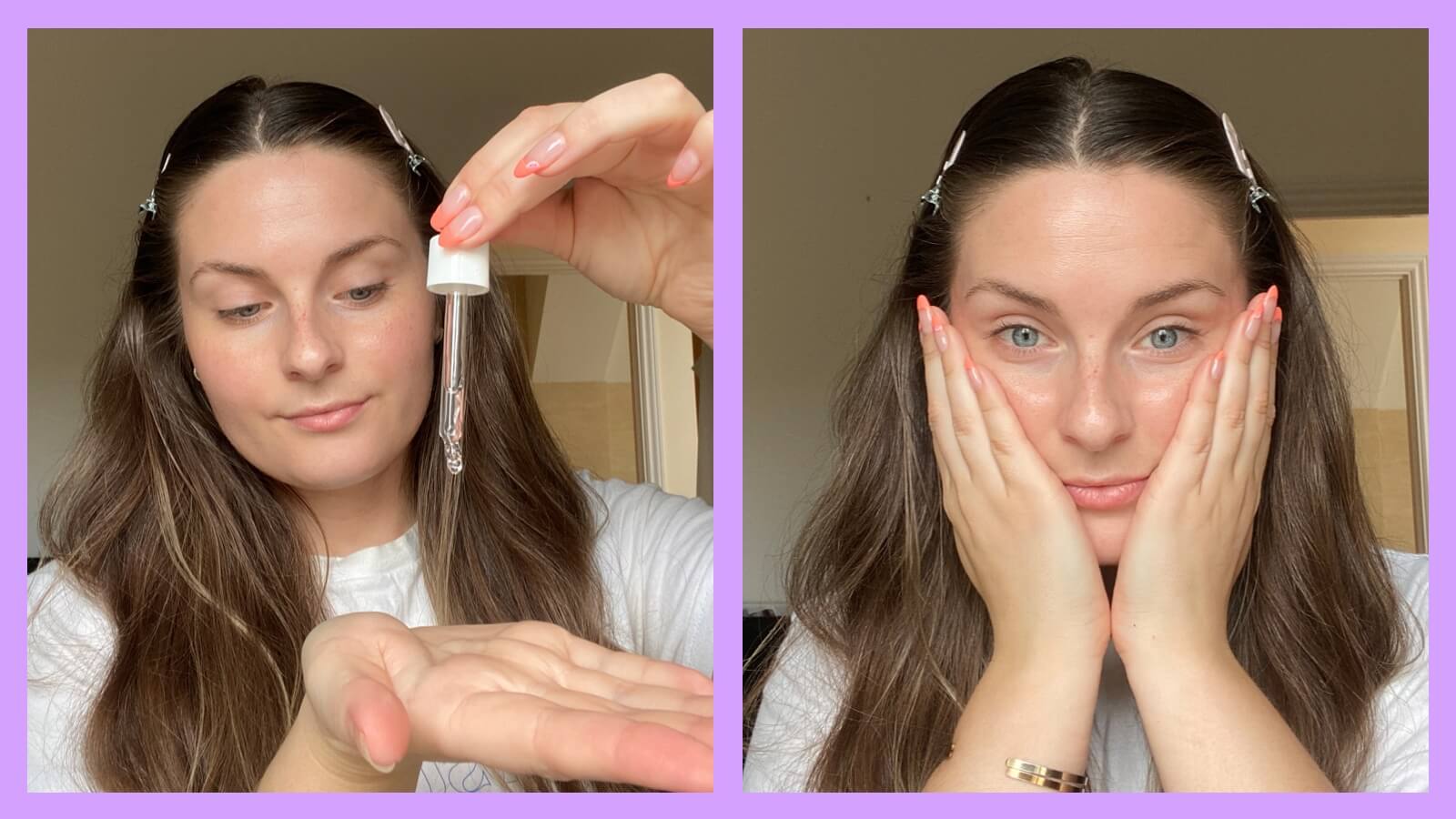
How to apply serum correctly on face — step-by-step
- Cleanse your face with a gentle cleanser. Pat skin dry lightly but leave it slightly damp.
- Dispense a pea to two pea-sized drops of serum or 2–3 drops from a dropper. Less is often more.
- Warm the serum between fingertips for a few seconds. This helps spread it evenly.
- Apply serum to key points: forehead, both cheeks, nose, and chin.
- Gently press and pat the serum into skin using your palms and fingertips. Avoid rubbing harshly.
- Wait 30–60 seconds for serum to settle before applying moisturizer or oil.
Using this method ensures the serum absorbs well and you get the active ingredients into the skin. Practicing how to apply serum correctly on face will make your products more effective and reduce irritation.

Tips for different skin types
Oily or acne-prone skin
• Choose lightweight, water-based serums with ingredients like niacinamide or salicylic acid.
• Apply sparingly and avoid heavy oils afterward.
Dry or dehydrated skin
• Use hyaluronic acid serums on damp skin, then seal with a cream or oil.
• Layer hydrating serums if needed, starting with thinnest texture.
Sensitive skin
• Patch test new serums for 48 hours on the inner forearm.
• Introduce one active at a time and avoid strong actives on the same day.
Mature skin
• Focus on peptides, retinoids, and vitamin C for texture and firmness.
• Apply nighttime repair serums consistently for best results.
No matter your type, learning how to apply serum correctly on face lets you use the right amount and avoid common errors.

Layering serums and ingredient pairing
Pairing serums correctly boosts benefits and reduces irritation. Follow these simple pairings:
• Vitamin C in the morning, retinol at night. Do not mix at the same time.
• Hyaluronic acid can be layered under almost any serum for hydration.
• Niacinamide pairs well with vitamin C for tone and texture balance.
• Avoid mixing strong acids and retinol together to prevent sensitivity.
If you use multiple serums, apply the thinnest first. This habit is central to how to apply serum correctly on face when layering products.

Common mistakes and how to avoid them
Applying too much serum
• More product does not mean better results. Use a few drops only.
Rubbing instead of patting
• Rubbing can irritate skin. Pat gently to help absorption.
Skipping patch tests
• Always test new serums to avoid full-face reactions.
Wrong order in routine
• Serum must go on clean skin before moisturizer and sunscreen. Knowing how to apply serum correctly on face prevents wasted product and sensitivity.

Storage and shelf life
Store serums in a cool, dark place to preserve actives. Light and heat break down ingredients like vitamin C and retinol. Most serums last 6–12 months after opening. If color, smell, or texture changes, stop using the product. Proper storage helps you get the full benefit and avoids irritation while practicing how to apply serum correctly on face.

My personal tips and lessons learned
Years of trying different brands taught me a few things. I once used too much retinol serum and triggered redness for weeks. Now I start with a low frequency and low dose. I also learned that warming a serum in my hands and patting it in gives better absorption than rubbing. Small changes like these improved my skin faster than switching products. These are practical insights on how to apply serum correctly on face that I share with friends and clients.

Signs your serum routine is working
You should notice improved hydration, smoother texture, and fewer breakouts within 4–8 weeks. Brighter tone and reduced fine lines may take 3–6 months. Mild tingling is normal with some actives, but sharp burning or persistent redness means stop and reassess. Regularly reviewing how to apply serum correctly on face helps you spot progress and avoid problems.
Frequently Asked Questions of how to apply serum correctly on face
How much serum should I use each time?
Use a pea-sized amount or 2–3 drops from a dropper. This is usually enough to cover face and neck without waste.
Can I apply serum on dry skin?
Some serums work best on slightly damp skin, especially hydrating ones like hyaluronic acid. Pat your skin so it is not dripping but still has moisture for better absorption.
Should I use serum before or after moisturizer?
Apply serum before moisturizer. Serums are thinner and need to reach the skin first, while moisturizer locks in the serum’s benefits.
Can I layer vitamin C and retinol?
It is best to use vitamin C in the morning and retinol at night. Using both at the same time can increase irritation for some people.
How long before sunscreen should I apply serum?
Wait about 30–60 seconds after your serum settles, then apply moisturizer if you use it, followed by sunscreen. This helps the serum absorb properly.
Conclusion
Mastering how to apply serum correctly on face is a small change that yields big results. Clean skin, the right amount, gentle patting, and correct layering will make serums more effective and gentler on skin. Try one change at a time, track your progress, and adjust based on how your skin responds. If this guide helped, try applying your serum tonight with these steps and share your results or questions below — I’d love to hear how your skin improves.