Best Natural Ingredients For Glowing Skin: Top Picks
Top natural ingredients for glowing skin: vitamin C, aloe vera, honey, turmeric, rosehip oil, and green tea.
I’ve spent years testing natural skincare and studying what truly helps skin glow. This guide on the best natural ingredients for glowing skin combines research, real tests, and practical tips you can use today. Read on to learn why these ingredients work, how to use them safely, and simple DIY ideas you can try at home.

Why natural ingredients work
Natural ingredients give skin vitamins, antioxidants, and gentle exfoliation. They often cause fewer reactions than harsh chemicals when used correctly. The best natural ingredients for glowing skin target dullness, uneven tone, and dehydration at the same time. Using simple, proven items can improve texture and tone without overdoing it.
Top natural ingredients for glowing skin
Below I list the most effective natural picks. Each works in a different way to boost glow. I explain benefits, how to use them, and safety tips. Combine them carefully for the best results.

Vitamin C (ascorbic acid from citrus and extracts)
Vitamin C brightens and evens skin tone. It fights free radicals and helps build collagen. I use a low-strength vitamin C serum first, then layer sunscreen in the morning. Start with a patch test and move up slowly.
Aloe vera
Aloe soothes and hydrates irritated skin. It calms redness and aids healing after sun or exfoliation. I keep a small aloe gel in the fridge for hot days and sunburns. Pure aloe mixes well with other hydrating ingredients.
Honey (especially raw or manuka)
Honey is a natural humectant and mild antibacterial. It draws moisture in and helps clarity. I use honey masks once or twice a week for a quick glow. Rinse with warm water and pat skin dry.
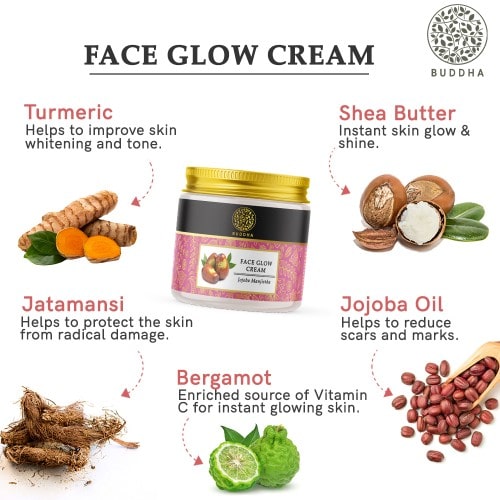
Turmeric
Turmeric reduces inflammation and can brighten skin tone. Use it in masks with yogurt or honey. I mix tiny amounts to avoid staining clothes and skin. Limit use to once a week if you have sensitive skin.
Rosehip oil
Rosehip oil is rich in vitamin A and essential fatty acids. It helps fade scars and smooth texture. I apply a few drops at night on damp skin to lock in moisture. Use sparingly if you have oily skin.
Green tea
Green tea is loaded with antioxidants. It soothes irritation and protects from environmental stress. I steep cooled green tea bags and use them as compresses for tired eyes. Green tea extract can work well in daily products.
Oatmeal
Oatmeal gently cleanses and calms. It helps remove dead skin without harsh scrubs. I make an oat paste for sensitive days when skin feels tight. Use finely ground oats to avoid roughness.
Jojoba oil
Jojoba oil closely mimics skin’s natural oils. It balances oil production and hydrates without clogging pores. I use jojoba as a makeup remover and a light moisturizer. It pairs well with essential oil drops if you want scent.
Papaya (papain enzyme)
Papaya contains papain, a natural enzyme that helps exfoliate. It softens rough patches and promotes cell turnover. Use a short mask for no more than 10 minutes to avoid irritation. Rinse well and follow with sunscreen.
Niacinamide from natural sources (B3-rich extracts)
Some botanical extracts support niacinamide-like benefits, improving tone and barrier strength. These help reduce redness and improve texture. I look for products combining these extracts with other gentle actives. They are a good option for sensitive skin.
How to blend and use these ingredients safely
Start slow and add one new item every week. Test on a small patch of skin for 48 hours before applying to your face. Keep routines simple: cleanse, treat, moisturize, protect. Mix only a few actives at once to avoid irritation.
- Use vitamin C in the morning with sunscreen.
- Use exfoliating enzymes (papaya) or turmeric masks no more than once weekly.
- Combine hydrating items (aloe, honey, jojoba) as daily staples.
- Add rosehip oil or green tea at night for repair and protection.
Simple DIY recipes using the best natural ingredients for glowing skin
Try these short, safe recipes at home. They use pantry items and are easy to rinse off.
- Honey and yogurt brightening mask
- Mix 1 teaspoon raw honey with 1 tablespoon plain yogurt. Apply 10 minutes and rinse. Use once weekly.
- Aloe and green tea soothing gel
- Blend 2 tablespoons aloe gel with 1 tablespoon cooled green tea. Apply for calming and hydration. Use as needed.
- Rosehip oil night boost
- After cleansing, warm 2–3 drops between palms and press onto damp skin. Use nightly for improved texture.
- Turmeric spot brightener
- Mix a pinch of turmeric with honey to make a paste. Apply to dark spots 5–10 minutes, rinse carefully. Use sparingly.
When to avoid or be cautious with natural ingredients
Natural does not always mean safe for everyone. Watch for allergies and patch test new items. Avoid strong exfoliants on inflamed or broken skin. Pregnant people should consult a clinician before using essential oils or strong actives like high-dose vitamin A. If irritation occurs, stop use and seek advice.
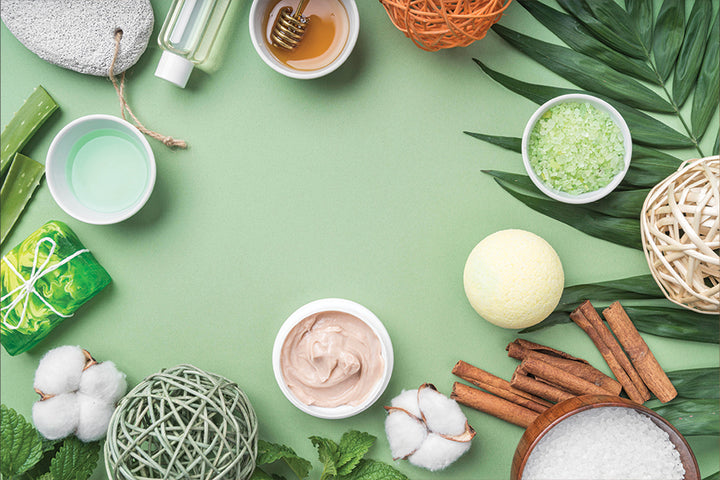
My personal lessons and tips from testing the best natural ingredients for glowing skin
I learned to start small and track results. Mixing many actives at once caused redness early on. Simple combos worked best for long-term glow. A routine that fits your lifestyle is easier to stick with than a perfect one. Consistency beat fancy DIYs in my trials.

How to choose products containing these ingredients
Read labels and look for concentration and form. Pure extract or oil often works better than vague “botanical blend.” Check for third-party testing and non-comedogenic claims if you break out easily. Price does not always equal quality; small, well-made items often perform best.

Frequently Asked Questions of best natural ingredients for glowing skin
What is the fastest natural ingredient for glowing skin?
Vitamin C offers quick brightening and improved radiance within weeks. Consistent use with sunscreen speeds visible results.
Can I mix turmeric with vitamin C?
Use caution. Turmeric is fine in masks but mixing strong actives can irritate. Patch test and avoid layering both at once on sensitive skin.
How often should I use a honey mask?
Once or twice a week is ideal for most skin types. Honey hydrates and clarifies without stripping the skin.
Is rosehip oil good for oily skin?
Yes, rosehip oil can balance and repair without clogging pores for many people. Use a small amount and monitor your skin’s response.
Are natural ingredients safe during pregnancy?
Many are safe, but avoid essential oils and retinoid-like strong actives. Consult your healthcare provider before trying new concentrated ingredients.
Conclusion
Natural ingredients can give real, lasting glow when chosen and used wisely. Focus on a few reliable items like vitamin C, aloe vera, honey, turmeric, rosehip oil, and green tea. Test slowly, keep routines simple, and pair active steps with good sun care. Try one new ingredient this week and note the change—small steps lead to steady improvement. Share your experiences or questions below and subscribe for more simple, science-backed skincare tips.