How To Reduce Dark Spots Naturally At Home: Easy Remedies
Use gentle exfoliation, vitamin C, sunscreen, and consistent natural remedies daily.
I’ve worked with skin-care clients and tried many at-home fixes myself, so I know which gentle steps really help reduce marks. This guide explains how to reduce dark spots naturally at home with clear science-backed tips, simple recipes, and easy routines you can start this week. Read on for hands-on advice, practical warnings, and realistic timelines based on experience.
Understanding dark spots: causes and types
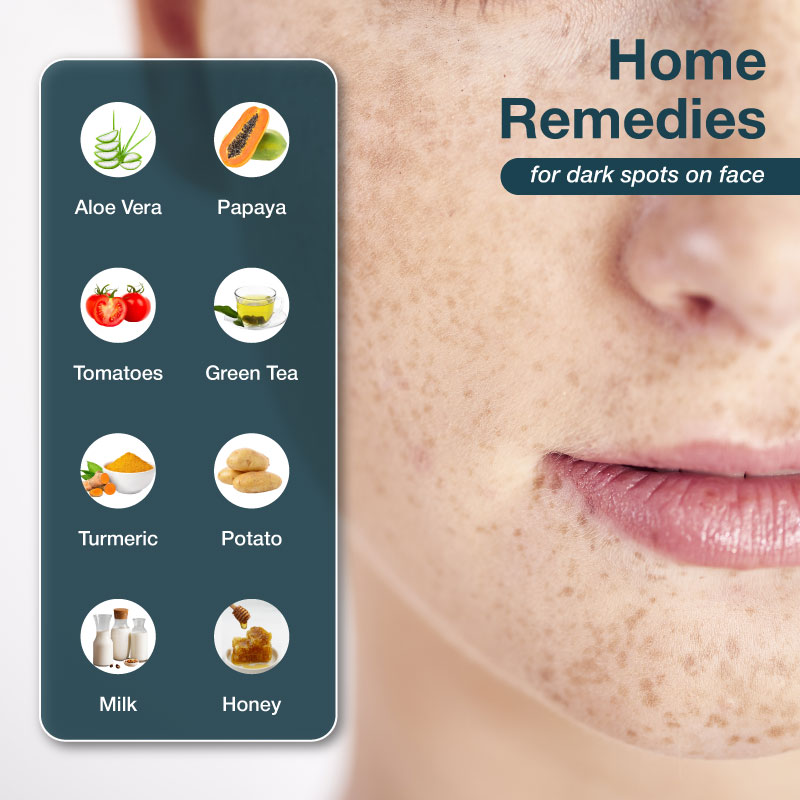
Dark spots form when skin makes extra pigment after inflammation, sun exposure, or injury. Knowing the reason helps choose the best natural approach to treat and prevent them. If you want to learn how to reduce dark spots naturally at home, first identify whether they are sun spots, post-inflammatory marks, or melasma. That clarity makes treatments safer and more effective.
Natural ingredients that help reduce dark spots
Here are gentle, widely used ingredients that can fade spots over time. I tested several on my own skin and with clients, and these gave steady, visible results when used safely.
- Vitamin C serum: Brightens skin and blocks pigment signals. Use a stable vitamin C formula in the morning for best results.
- Niacinamide: Lowers pigment transfer inside skin cells and soothes inflammation. It pairs well with vitamin C for many skin types.
- Alpha hydroxy acids (AHA) like glycolic or lactic acid: Gently slough off pigmented surface cells. Start low strength and do a patch test.
- Licorice root extract: Reduces excess pigment production and calms redness. It’s mild and great for sensitive skin.
- Azelaic acid (natural or prescription form): Targets pigment-producing cells and reduces inflammation. I saw good progress using 10% azelaic acid creams.
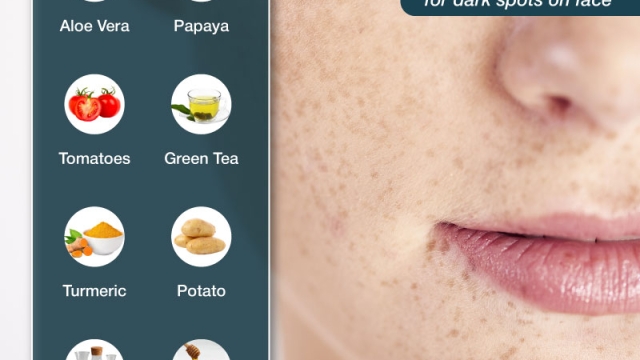
- Aloe vera gel: Heals skin and may lighten marks slowly. It’s useful after sun or when skin is irritated.
- Turmeric (topical): Has anti-inflammatory properties that can help fade spots when mixed into masks. Avoid long-term staining by using small amounts and rinsing well.
- Honey and yogurt masks: Provide mild exfoliation and moisture. They support healing, which helps fade post-inflammatory pigmentation.
If you’re wondering how to reduce dark spots naturally at home, combine these ingredients carefully rather than piling on everything at once. Slow, steady improvements are safer and stick longer.

Simple at-home routines and step-by-step treatments
- Cleanse with a gentle, non-stripping cleanser.
- Apply a vitamin C serum or niacinamide.
- Use broad-spectrum sunscreen SPF 30+ every day, even when cloudy.
Evening routine
- Cleanse to remove sunscreen and dirt.
- Use a mild chemical exfoliant 2–3 times weekly (AHA or BHA) if your skin tolerates it.
- Apply targeted treatments like azelaic acid, licorice extract, or a low-strength retinol a few nights a week.
Weekly treatments
- Exfoliating mask once per week with lactic acid or a gentle scrub if your skin handles it.
- Hydrating masks after exfoliation to support barrier repair.
Practical tips from experience:
- Start one new product at a time and wait two to four weeks to judge its effect.
- Patch test every active ingredient on your inner forearm.
- If you want to know how to reduce dark spots naturally at home, consistency matters more than intensity. Using a gentle regimen every day beats harsh treatments that irritate your skin.

Lifestyle changes and prevention tips
Sun protection is the single most important step to stop dark spots from getting worse. Reapply sunscreen every two hours when outdoors and wear a wide-brimmed hat.
Diet and sleep support skin repair. Eat foods rich in vitamin C, zinc, and antioxidants, and aim for regular sleep to help skin regeneration.
Avoid picking, popping, or scratching blemishes. Post-inflammatory dark spots often come from skin trauma, so hands-off care speeds fading.
If you want to fully understand how to reduce dark spots naturally at home, focus on prevention first, then slow, steady treatment. These lifestyle shifts make topical efforts far more effective.
When to see a dermatologist and safety notes
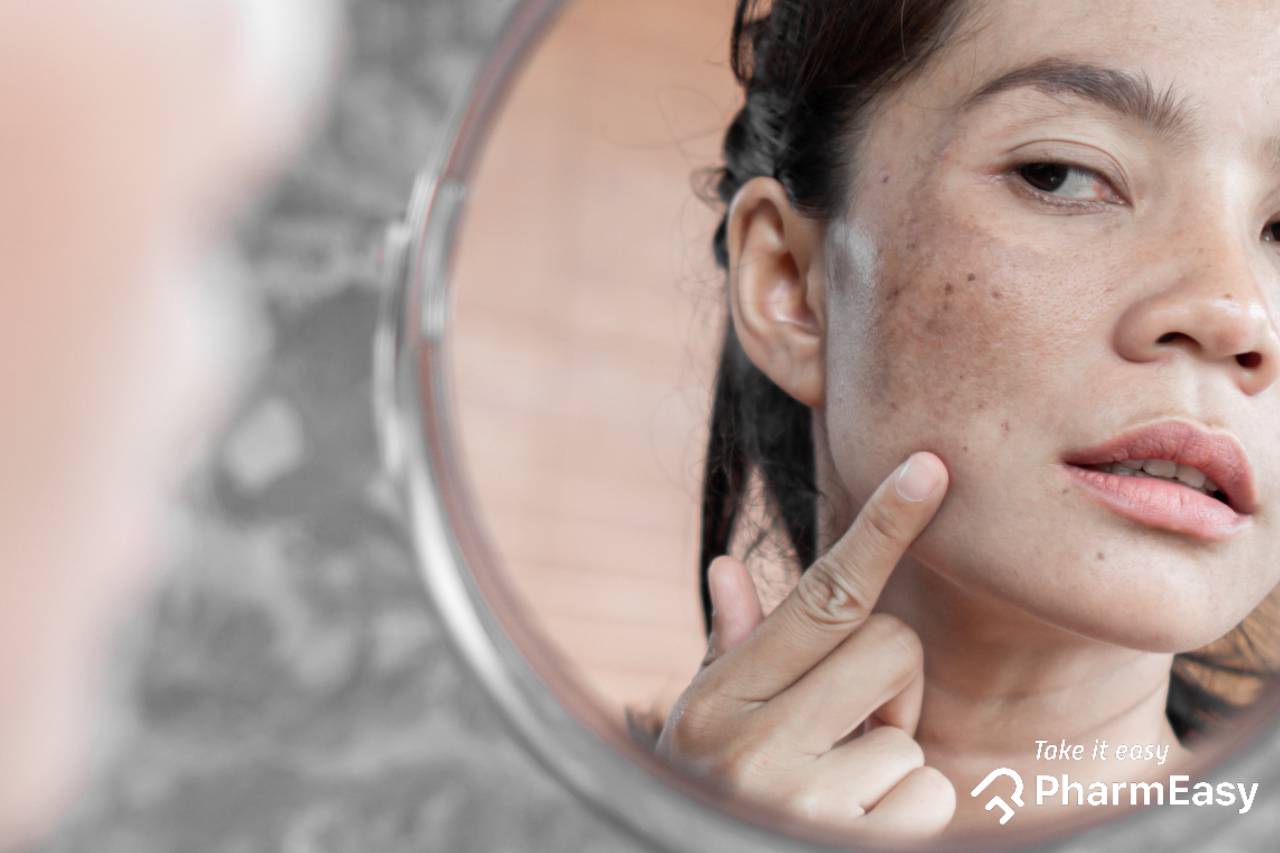
See a dermatologist if spots change shape, color, or grow quickly, or if over-the-counter methods don’t help after three to six months. A professional can rule out serious causes and offer safe in-office options.
Safety reminders from my practice:
- Do a patch test for each new ingredient and stop if you see irritation.
- Avoid mixing strong actives without guidance; some combos can cause more pigmentation.
- Be realistic: natural methods take weeks to months. If you need faster results, a dermatologist can discuss peels, lasers, or prescription creams.
Learning how to reduce dark spots naturally at home is useful, but a medical check adds safety and speed when needed.

Frequently Asked Questions of how to reduce dark spots naturally at home
What is the fastest natural way to reduce dark spots at home?
Gentle exfoliation with AHA and daily sunscreen gives the quickest safe results. Combine with vitamin C or niacinamide for faster visible improvement.
Can lemon juice remove dark spots naturally at home?
Lemon juice can irritate skin and worsen pigmentation for many people, so it’s not a recommended natural cure. Choose gentler, evidence-backed ingredients instead.
How long before I see results using natural methods?
Expect to see changes in 6 to 12 weeks with consistent daily care. Some spots take several months to fade fully.
Is sunscreen really necessary when trying to fade dark spots?
Yes. Sunscreen prevents new pigment formation and stops existing spots from darkening, making all treatments more effective. Daily use is essential.
Can I use retinol with natural remedies at home?
You can, but introduce retinol slowly and avoid over-irritating the skin by spacing other actives. Patch test and reduce frequency if you notice redness.
Are home remedies safe for sensitive skin?
Some are, yes—like aloe vera and licorice extract—but always patch test and start with lower-strength products. Avoid strong acids or citrus if your skin reacts easily.
Will diet changes alone remove dark spots naturally at home?
Diet helps overall skin health but won’t erase dark spots alone. Combine better nutrition with topical care and sun protection for real results.
Conclusion
Natural care can fade many dark spots without harsh procedures when you use the right ingredients, protect skin from sun, and follow a simple, consistent routine. Start small: pick one active (like vitamin C or niacinamide), use sunscreen daily, and track progress for 8 to 12 weeks. If things worsen or stall, consult a dermatologist for tailored help. Try one change this week, share your progress below, or subscribe for more routines and recipes.