How To Choose Luxury Moisturizer: Expert Guide For Glow
Choose a luxury moisturizer by matching ingredients to your skin type, goals, and budget.
I have spent years testing high-end skincare. I know what makes a luxury moisturizer worth the price. This guide breaks down the choices. You will learn how to pick a product that suits your skin, lifestyle, and values. Read on for tested tips, ingredient maps, and real-world advice to make a smart buy.
Why consider a luxury moisturizer
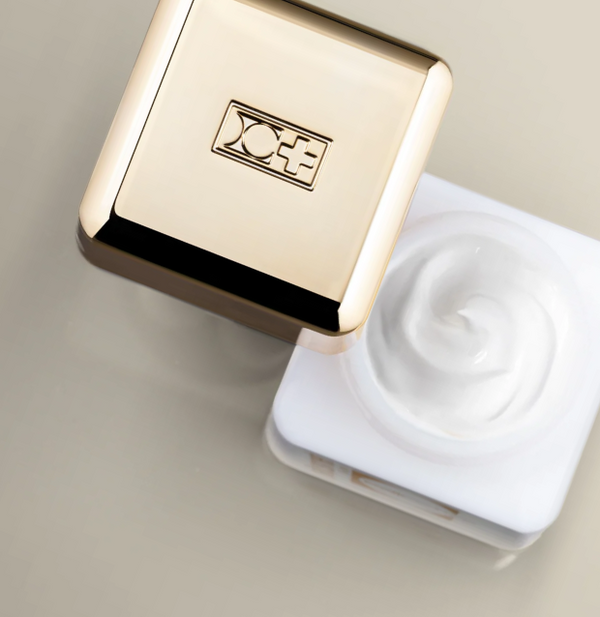
Luxury moisturizer often means more refined formulas and better textures. Brands invest in actives, stabilizers, and delivery systems that can boost results. A luxury moisturizer can offer better sensory feel, longer wear, and targeted benefits like brightening or barrier repair. For many people, the extra cost buys convenience, potency, and a nicer ritual.
I have tried dozens of high-end creams. The best ones felt lighter but worked harder. They also lasted longer in my routine and gave visible results within weeks. A good luxury moisturizer should earn its place on your shelf.

Know your skin type and goals
Start with skin type. Pick products made for your needs.
- Dry skin: look for rich oils, ceramides, and hyaluronic acid in emollient formulas.
- Oily skin: choose lightweight lotions or gel creams with oil-control and non-comedogenic labels.
- Sensitive skin: favor fragrance-free, minimal ingredient lists and barrier-repair ingredients.
- Combination skin: use a balanced formula or layer different textures on zones.
Define your goals. Do you want hydration, anti-aging, glow, or acne control? Match the luxury moisturizer to that aim. I once chose a rich cream for overnight repair and a gel moisturizer for daytime. That combo solved dryness without clogging pores.
Key ingredients to look for in a luxury moisturizer
Ingredients make the difference between a pretty jar and a product that works.
- Hyaluronic acid: attracts and holds water for instant plumpness.
- Ceramides: restore the skin barrier and reduce moisture loss.
- Peptides: support collagen and skin firmness over time.
- Niacinamide: evens tone, reduces redness, and strengthens barrier.
- Antioxidants like vitamin C or E: protect from free radicals and add radiance.
- Lipids and oils: boost softness and long-term hydration.
Luxury moisturizer formulas often combine multiple actives in stable doses. Check the ingredient order and watch for meaningful concentrations of the key actives you want. From my testing, products that list actives near the top deliver faster, visible results.
Ingredients and additives to avoid
Some ingredients can hurt your skin or reduce results.
- Fragrance and essential oils: can irritate sensitive skin and cause reactions.
- Heavy silicones in excess: may feel nice but can trap impurities for oily skin.
- High alcohol percentages: can dry out the skin and weaken the barrier.
- Low-quality fillers: add weight and cost without benefit.
A luxury moisturizer should not rely on fragrance to sell itself. If a product uses perfumes, patch test first. My rule: if the label lists fragrance in the first five ingredients, I walk away.
Texture, finish, and sensory factors
Feel matters. Texture affects how you use a product and how it layers with others.
- Rich creams: great for night use and dry skin.
- Gel creams: ideal for hot climates and oily skin.
- Lightweight lotions: good all-rounders and daytime wearers.
- Oil-based balms: best for very dry or mature skin, and for sealing hydration.
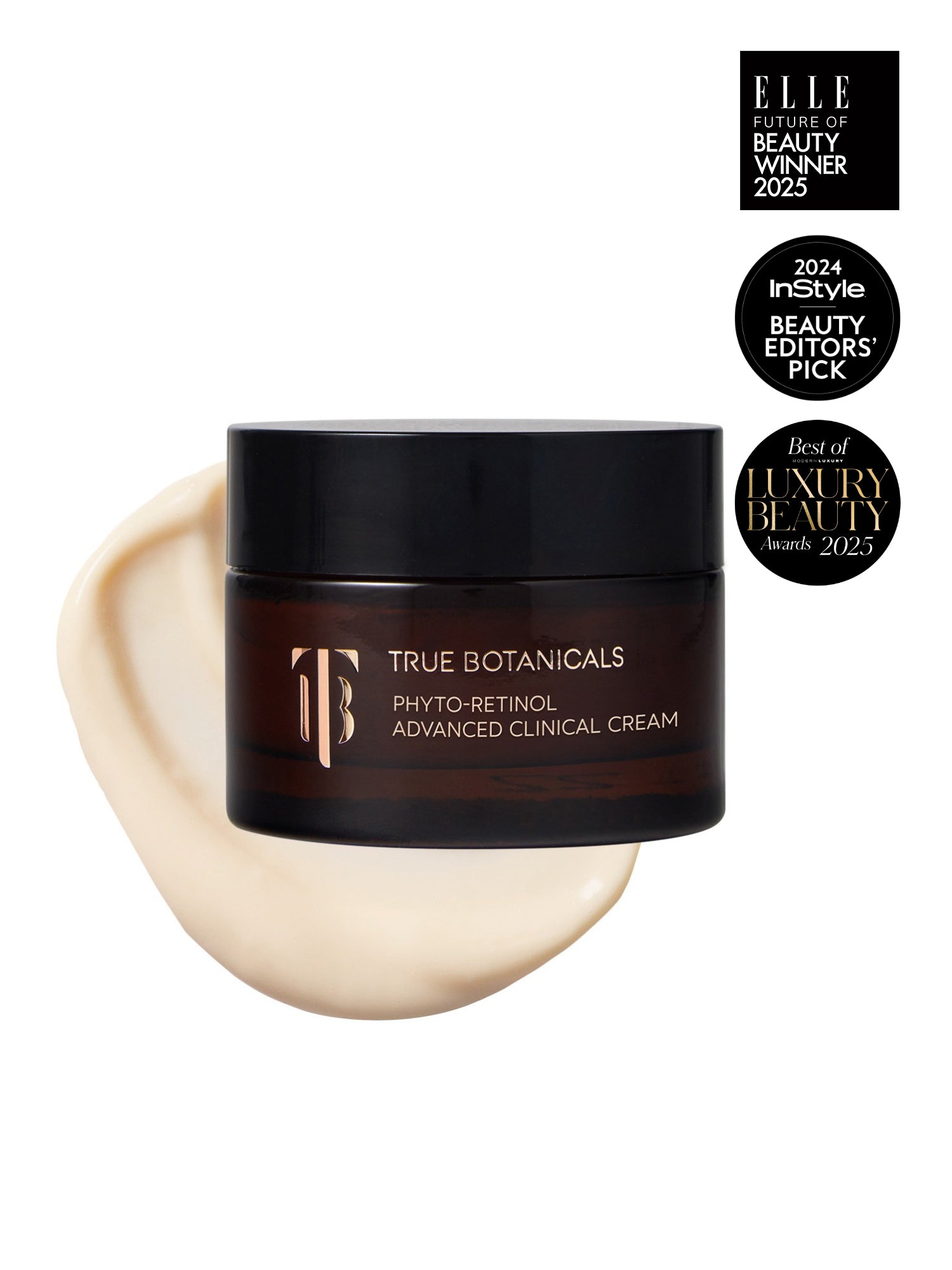
A true luxury moisturizer balances feel and efficacy. I once loved a cream’s texture but it left my T-zone shiny. Later I learned to test a sample before committing to a full jar.
Packaging, formulation stability, and hygiene
Packaging affects potency and safety.
- Airless pumps: protect sensitive actives from light and air.
- Opaque jars: keep ingredients from degrading.
- Refillable options: good for sustainability-minded shoppers.
Check the expiry and the opened shelf life. Luxury moisturizer brands often invest in packaging that keeps actives stable. I prefer airless pumps for serums and creams with vitamin C or peptides.

Price versus value: how to judge cost
High price does not always equal high performance. Assess value like this:
- Ingredient list: are there proven actives in effective positions?
- Concentration and technology: does the brand explain delivery systems or stability?
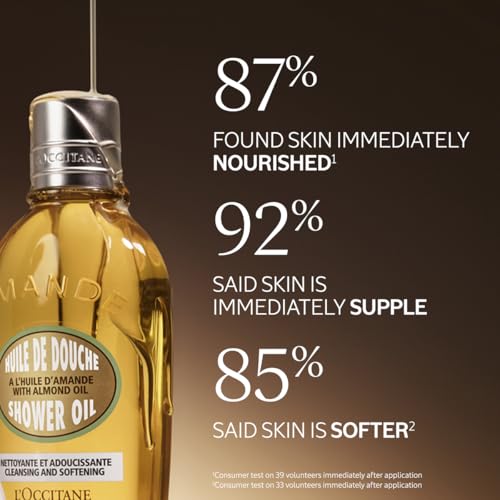
- Clinical data: does the brand show results from testing?
- Texture and packaging: do these justify the premium?
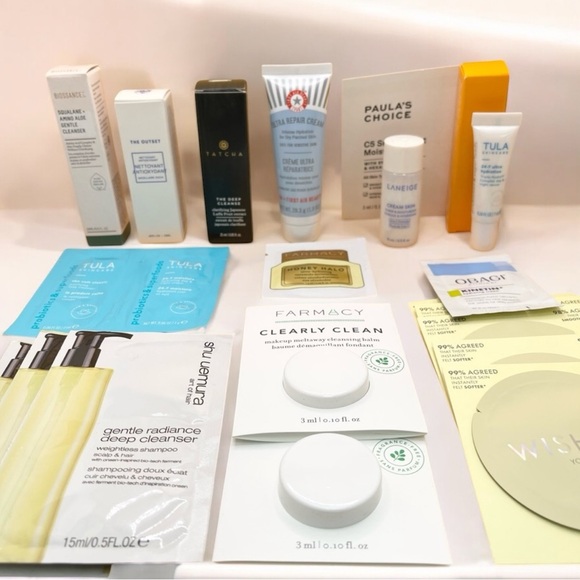
I have paid more for formulas that actually improved my skin faster. But I have also found mid-range options that matched luxury results. Shop smart: read labels and ask for samples.
How to test a luxury moisturizer before buying
Testing reduces buyer’s remorse.
- Ask for a sample at a counter or request a travel-size product.
- Patch test on the jawline or behind the ear for 48 hours.
- Use the product consistently for two weeks to monitor hydration and reactions.
- Test under makeup if you plan to wear it during the day.
I always test for at least a week on one cheek. That shows whether a luxury moisturizer plays well with my other products and my makeup.

How to layer a luxury moisturizer in your routine
Proper layering helps active ingredients work better.
- Cleanse first and use any water-based serums.
- Apply targeted treatments like vitamin C or retinol next.
- Use your luxury moisturizer to seal in hydration and actives.
- Finish with SPF in the morning to protect results.
If you have oily skin, use a light moisturizer under sunscreen. For dry skin, let the moisturizer be the last hydrating step before SPF. I saw more improvement when I placed a peptide-rich cream after my serums.
Ethical and sustainability considerations
Many luxury brands now focus on ethics and green practices.
- Look for cruelty-free and ethically sourced ingredient claims.
- Check for recyclable or refillable packaging.
- Consider transparent brands that publish ingredient sourcing and testing data.
Support brands whose values match yours. I prefer companies that show clear environmental commitments and honesty about ingredient sourcing.
Where to buy and how to verify authenticity
Buy from authorized retailers and official brand stores. Avoid suspicious discount marketplaces for high-end goods. Look for batch codes and sealed packaging. If possible, buy in person and ask for samples. My best advice: use trusted retailers or the brand site to ensure you get a genuine luxury moisturizer.
Frequently Asked Questions of how to choose luxury moisturizer
How do I know if a luxury moisturizer is worth the price?
Look for proven actives, transparent ingredient lists, and clinical or consumer data. Test a sample and check your skin’s response over two weeks.
Can luxury moisturizers cause breakouts?
Some can if they contain heavy oils or comedogenic ingredients. Choose non-comedogenic labels and patch test first.
Are natural oils better than lab-made ingredients in luxury moisturizer?
Both can be effective. Natural oils hydrate, while lab-made actives like peptides target specific issues. Balance is key based on your goals.
How often should I use a luxury moisturizer?
Use it daily, morning and night, unless directed otherwise. Adjust frequency based on skin response and product instructions.
Is packaging really important for a luxury moisturizer?
Yes. Good packaging preserves active ingredients and reduces contamination. Airless pumps and opaque containers are best.
Conclusion
Choosing a luxury moisturizer is about matching ingredients, texture, and values to your skin and goals. Look for proven actives, stable packaging, and formulas that suit your skin type. Test samples, read labels, and weigh price against real benefits.
Start small, watch your skin for changes, and pick products that feel good to use. Try one well-chosen luxury moisturizer and track results for a month. If it works, you’ll see improved texture and comfort. Share your experience or ask questions in the comments, and consider subscribing for more tested skincare advice.