Skin Care Routine After Sun Exposure: Repair And Restore
Cleanse gently, cool down, hydrate, apply aloe or moisturizer, and use broad‑spectrum sunscreen next day.
I have helped many people recover skin health after sun exposure and tested routines that calm, repair, and prevent lasting damage. This article lays out a clear, expert-backed skin care routine after sun exposure you can use right away and for the days that follow. I explain what to do the minute you get back inside, which products help or harm, home remedies that really work, and steps to prevent future burns. Read on for easy, practical steps that respect your skin and deliver real results.
Why taking care after sun exposure matters
When skin meets strong UV light, cells get stressed. That can lead to redness, pain, dryness, and long-term damage like premature aging or uneven pigment. A thoughtful skin care routine after sun exposure helps calm inflammation, restore moisture, and support the skin’s repair process. Acting fast and wisely lowers discomfort and cuts the risk of lasting harm.
Immediate steps after sun exposure
Start fast. Quick steps reduce heat and inflammation and set the stage for healing.
- Cool down. Move to shade or indoors and use cool water on skin for 10 to 15 minutes to lower heat and stop burning.
- Remove irritants. Take off tight clothes and rinse off sweat, salt, or chlorine with a gentle shower to prevent more irritation.
- Soothe with gentle products. Use plain water, a fragrance-free cleanser, or a micellar water to clean without stripping oils.
- Hydrate from inside. Drink water to help skin recover from inside out.
- Avoid harsh actions. Do not pop blisters, scrub sunburned skin, or apply ice directly on skin.
These first actions are the core of any effective skin care routine after sun exposure. They cut pain and set up healing. I learned from mistakes—once I used an alcohol-based spray on my shoulder after sun and it worsened the sting. Simple is best.

Daily skin care routine for the next 48–72 hours
The two to three days after sun exposure are crucial. Stick to a calm, hydrated plan.
- Morning routine
- Cleanse gently with cool water and a mild cleanser.
- Apply a lightweight, fragrance-free moisturizer that contains ceramides or hyaluronic acid.
- Use broad-spectrum sunscreen before going outdoors again, even if skin looks healed.
- Evening routine
- Cleanse softly to remove sunscreen and sweat.
- Use a soothing treatment like aloe vera gel or a moisturizer with niacinamide to reduce redness.
- Skip strong actives like retinoids and high-concentration acids until skin fully recovers.
Keep the skin care routine after sun exposure focused on repair, not active treatments. I recommend avoiding exfoliation for at least a week. In my practice, patients who delayed retinoids had fewer side effects and faster comfort.

Products to use and avoid
Choosing the right products makes a big difference in recovery.
Products to use
- Gentle cleansers that do not foam aggressively
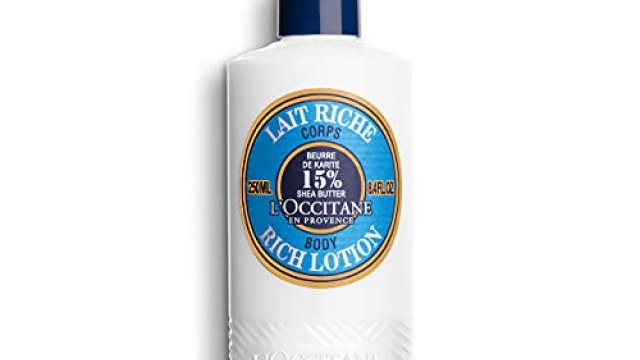
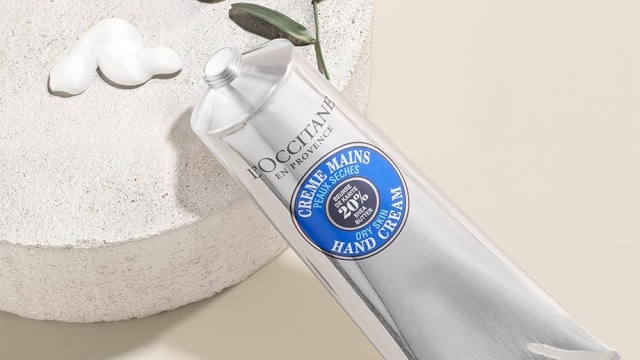
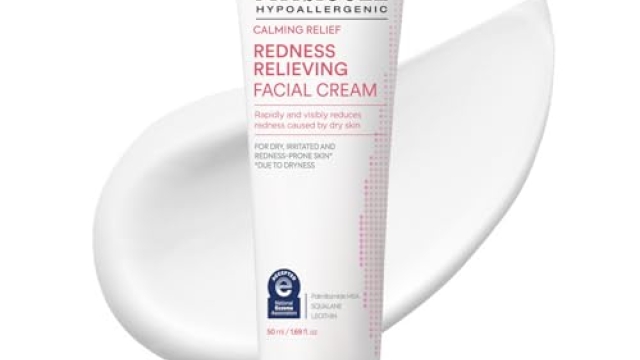
- Fragrance-free moisturizers with ceramides, hyaluronic acid, or glycerin
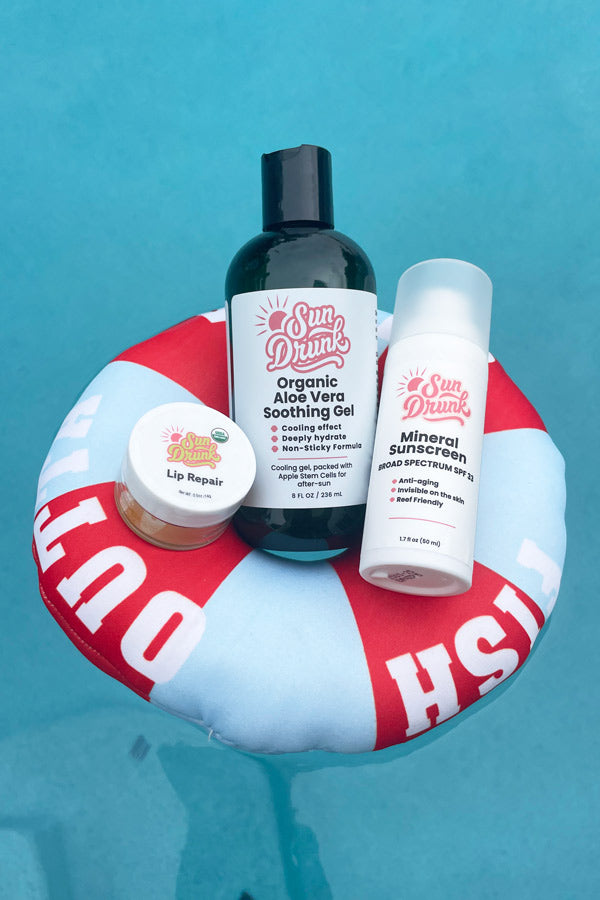
- Aloe vera gel or products with cooling botanical extracts for immediate relief
- Broad-spectrum SPF 30+ sunscreen for subsequent sun protection
- Over-the-counter pain relievers if needed for severe discomfort
Products to avoid
- Alcohol-based sprays or high-alcohol toners that dry and sting
- Harsh exfoliants, scrubs, or rubbing brushes
- Strong retinoids or high-dose AHA/BHA until skin is calm
- Heavy fragrances that can irritate inflamed skin
When I consult, I often remove several “nice to have” products from a client’s shelf. That reduction speeds recovery. Trust simple, gentle formulas when following a skin care routine after sun exposure.

Home remedies and clinical options
Some at-home comforts work well. Know when to seek care.
- Home remedies that help
- Cool compresses for 10–15 minutes to reduce heat.
- Pure aloe vera gel applied thinly to soothe and hydrate.
- Oatmeal baths for itchy, inflamed skin.
- Hydrating masks or occlusive moisturizers at night to lock in moisture.
- When to see a professional
- If blisters cover a large area, or if you have fever, chills, or severe pain.
- If signs of infection appear, such as increasing redness, pus, or swelling.
- For persistent pigment changes or severe peeling, consider a dermatologist consult.
I once treated a sunburn that became infected from picking blisters. Professional care prevented scarring. Use home remedies early and seek help if things worsen.
Preventive tips for future sun exposure
The best step in any skin care routine after sun exposure is prevention.
- Practice sun-smart habits
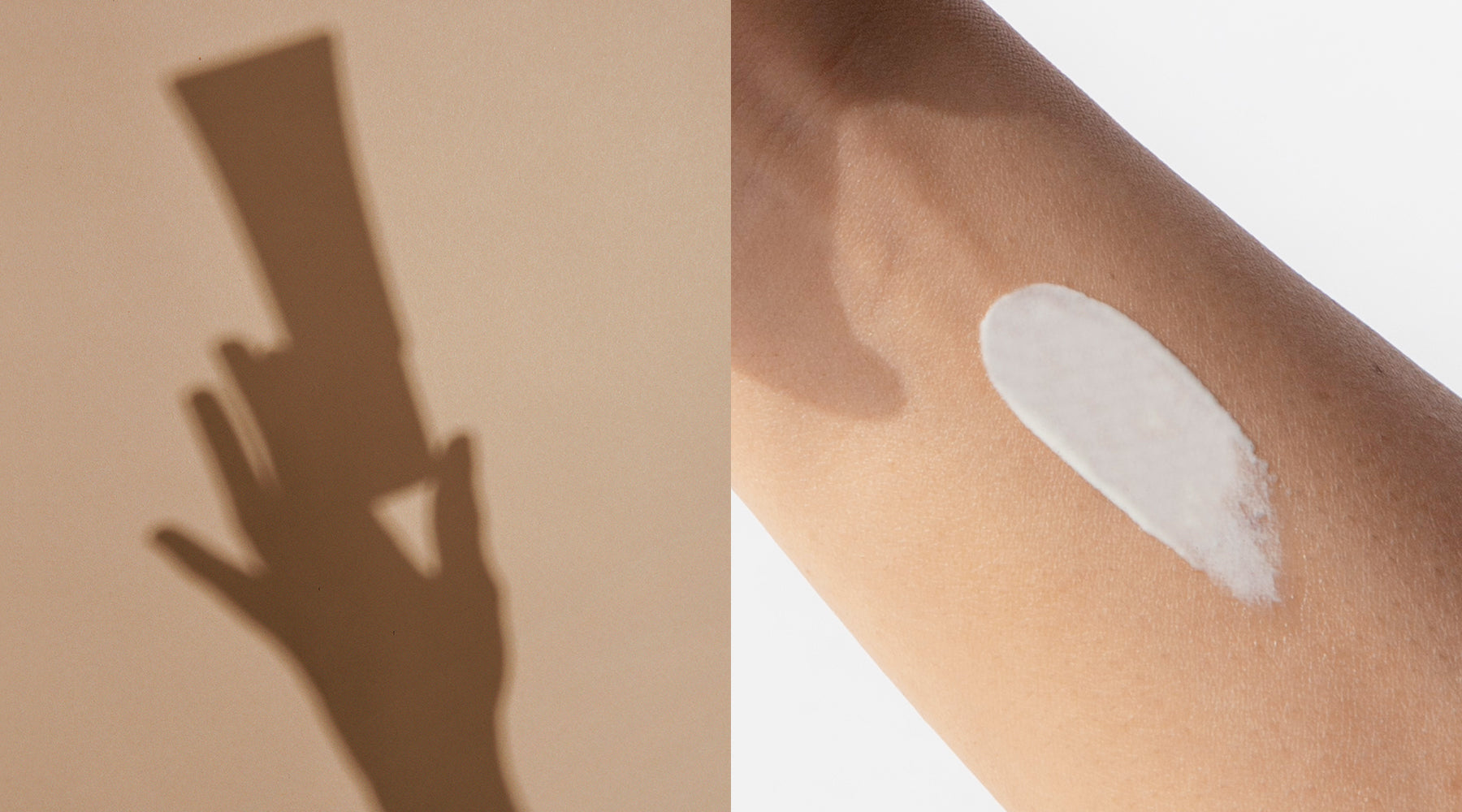
- Use broad-spectrum sunscreen daily and reapply every two hours when outside.
- Wear protective clothing and wide-brim hats.
- Seek shade and avoid peak sun hours between 10 AM and 4 PM.
- Build sunscreen into routine
- Apply sunscreen as the final step in your morning skin care routine after moisturizers.
- Keep a travel-size sunscreen in your bag for reapplication.
- Lifestyle choices
- Stay hydrated, eat antioxidant-rich foods, and avoid tanning beds.
- Use topical vitamin C in normal times to boost antioxidant protection (avoid immediate use after fresh sunburn).
I now carry a small sunscreen in every bag. It stopped my repeated midday burns and taught me that prevention is the most reliable part of any skin care routine after sun exposure.
Frequently Asked Questions of skin care routine after sun exposure
What is the first thing I should do after getting sunburned?
Cool your skin with water for 10 to 15 minutes, move out of the sun, and drink water. Gently cleanse and apply a cooling moisturizer like aloe vera.
Can I use moisturizers with retinol after sun exposure?
No. Wait until redness and sensitivity fully subside before restarting retinoids, usually at least a week. Retinol can increase irritation on recently sun-damaged skin.
How soon should I apply sunscreen after sun exposure?
Apply sunscreen the next time you go outdoors and reapply every two hours when exposed. Sun protection is essential even if the skin looks healed.
Are ice packs safe for sunburn?
Avoid direct ice on the skin; use cool compresses instead to lower heat. Direct ice can damage already sensitive skin.
When should I see a doctor for sun exposure?
See a doctor if you have large blisters, severe pain, fever, signs of infection, or confusion. These signs suggest a more serious reaction that needs care.
Conclusion
A calm, consistent skin care routine after sun exposure helps reduce pain, speed repair, and limit long-term harm. Start with cooling and gentle cleansing, hydrate well, avoid harsh actives, and protect with sunscreen for future outings. Small, smart steps—applied right away and repeated—make the biggest difference to your skin. Try these steps this week and track how your skin feels; share what works or ask questions below to learn more and stay sun-safe.