Best Skin Care Routine Before Sleeping: Nightly Guide
Double cleanse, apply targeted serums, lock with moisturizer, and let skin repair overnight.
I’ve spent years studying skin science and testing products, and I’ll walk you through the best skin care routine before sleeping with clear, practical steps you can use tonight. This guide blends research-backed advice, real-world testing, and simple habits to help your skin repair, hydrate, and glow while you sleep.

Why a night routine matters
Skin repairs and regenerates while you sleep. The best skin care routine before sleeping supports this natural repair by removing pollutants, delivering active ingredients, and sealing in hydration. Studies show cell turnover and collagen repair peak at night, so the products you use after sunset matter. Use this time to treat concerns like acne, wrinkles, or dryness with focused care.
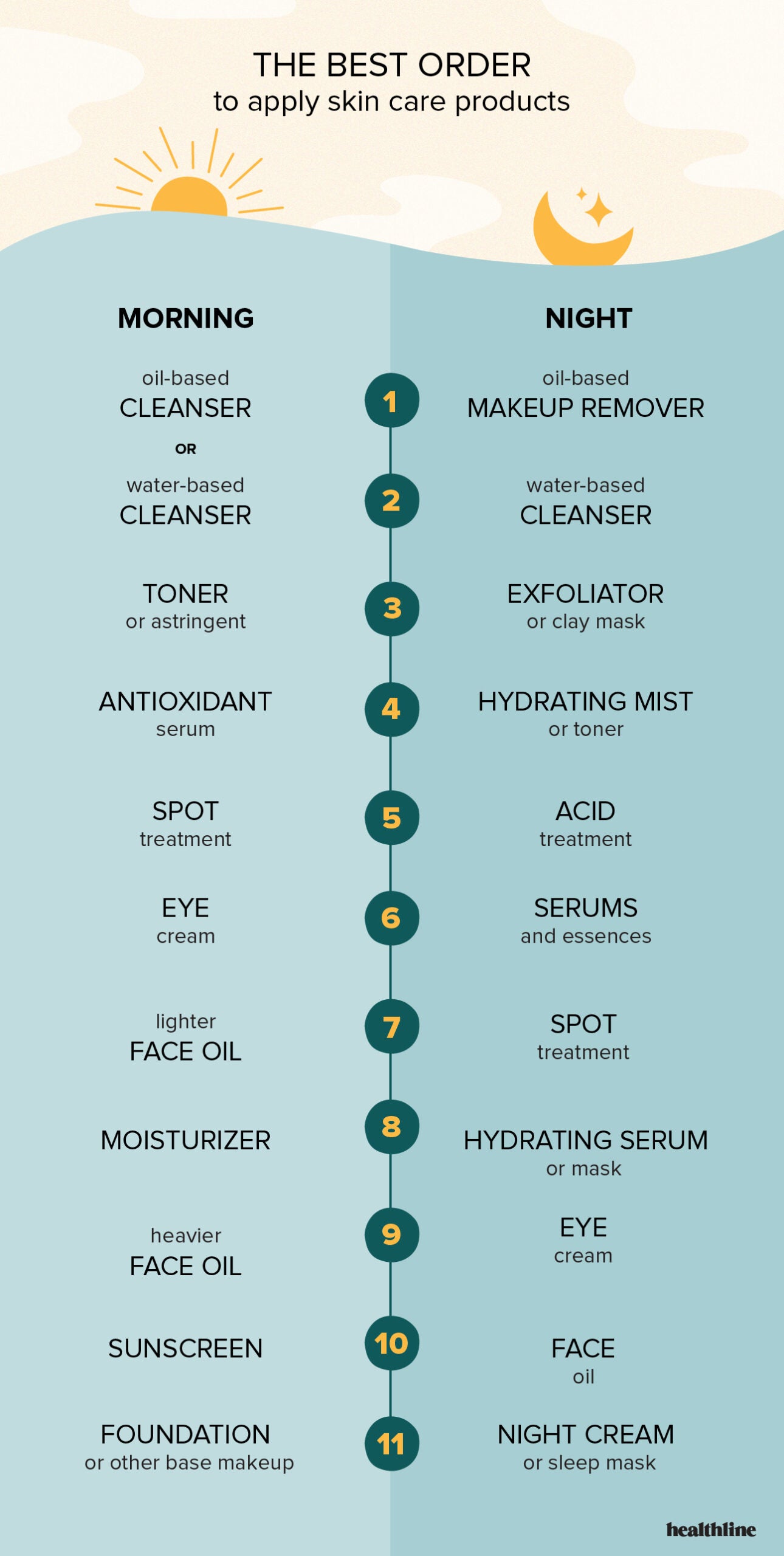
Step-by-step best skin care routine before sleeping
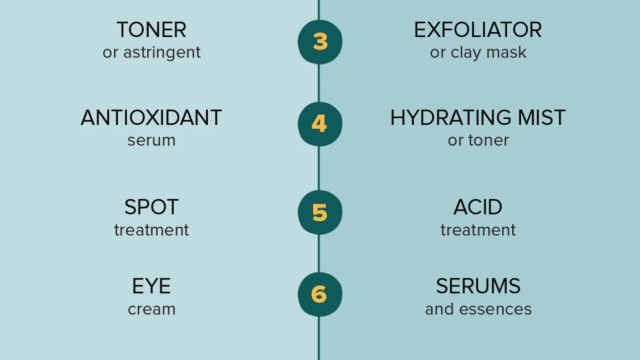
Follow this clear, repeatable order. Keep products simple and layer from lightest to heaviest. Adjust based on your skin type and needs.
- Cleanse
- Remove makeup and oil with an oil-based or gentle balm cleanser.
- Follow with a gentle water-based cleanser if you wore heavy makeup or sunscreen.
- Tone or skin prep
- Use a hydrating toner or essence to rebalance pH and add light hydration.
- Targeted treatments
- Apply serums for your main concern: vitamin C in the evening only if tolerated, hyaluronic acid for hydration, or niacinamide for redness.
- Active ingredients (when needed)
- Use retinoids, AHAs, or prescription actives as advised, usually at night and not combined with strong exfoliants.
- Eye care
- Dab a small amount of eye cream to hydrate and address puffiness or fine lines.
- Moisturize
- Use a slightly richer night cream to lock in ingredients and repair the skin barrier.
- Seal with oil or balm (optional)
- If skin is dry, finish with a lightweight oil or sleeping balm.
- Lip care
- Apply a hydrating lip balm before bed.
I recommend consistency over complexity. The best skin care routine before sleeping is one you can repeat nightly. From personal tests, skipping cleansing or moisturizer undermined other treatments.
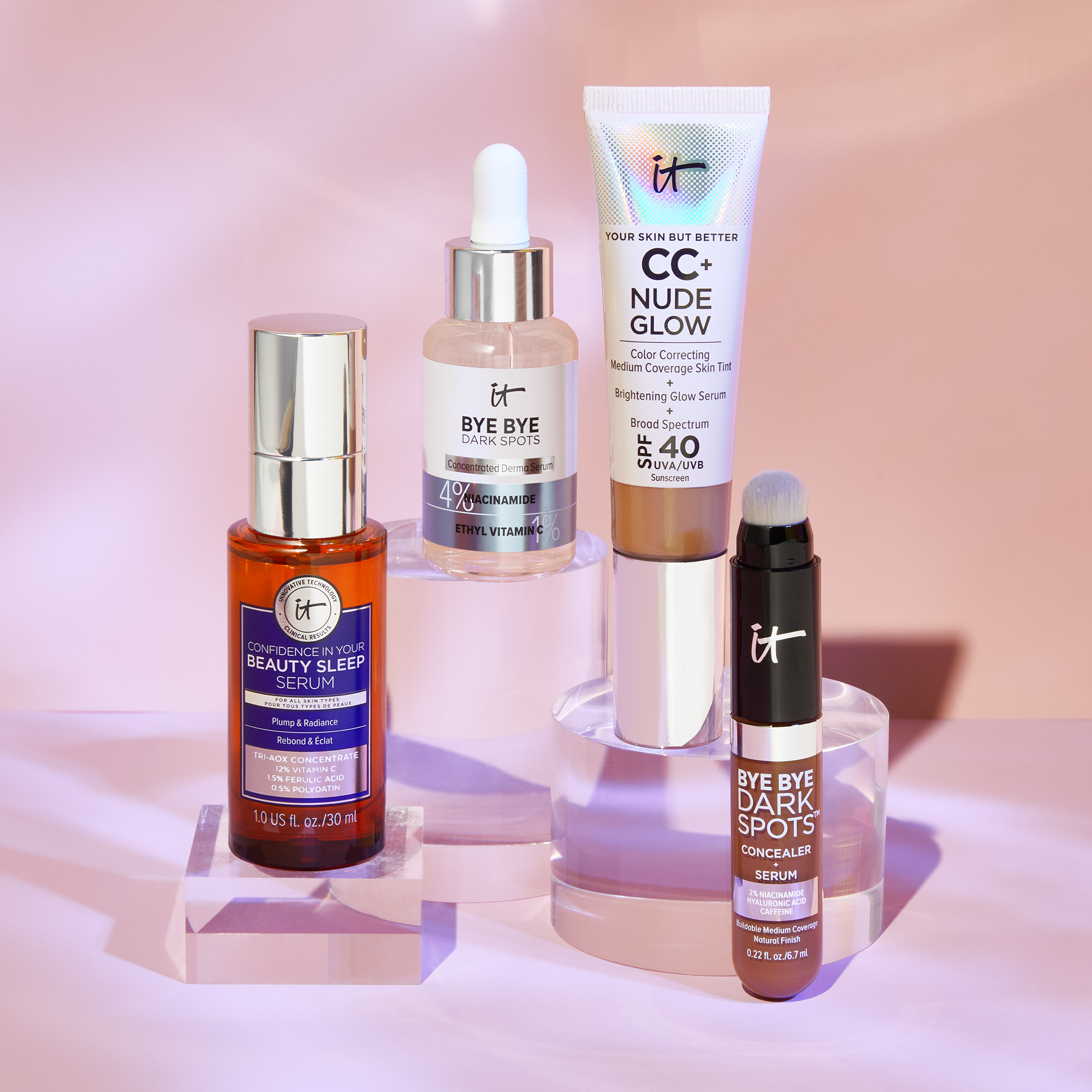
Nighttime actives and how to use them
Choose actives carefully and space them out. Here’s how to use common night ingredients safely.
- Retinoids
- Great for aging and acne. Start with low strength twice weekly and build up.
- AHAs and BHAs
- Use 1–3 times a week if your skin tolerates chemical exfoliation.
- Vitamin C
- Stable vitamin C can be used at night for brightening if your skin tolerates it.
- Hyaluronic acid
- Use on damp skin to pull in moisture, then lock with moisturizer.
- Niacinamide
- A gentle multi-tasker that pairs well with many actives.
Avoid layering too many strong actives at once. For example, do not use retinol and strong AHA the same night. Patch test new actives for 48–72 hours. If irritation happens, pause and consult a professional.

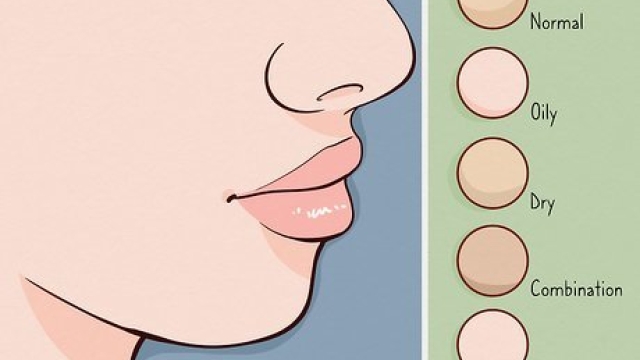
Skin type adjustments for the best skin care routine before sleeping
Every skin type needs a slightly different approach. Tailor the basic steps above to suit you.
- Oily and acne-prone
- Double cleanse, use lightweight hydrating serums, and spot-treat with benzoyl peroxide or salicylic acid as advised.
- Dry or sensitive
- Skip harsh exfoliants, use hydrating toners, richer moisturizers, and soothing ingredients like ceramides.
- Combination
- Use lighter products on oily zones and richer ones on dry zones, or mix them as needed.
- Mature skin
- Prioritize retinoids, peptides, and richer night creams to support repair and elasticity.
- Reactive or rosacea-prone
- Keep routines simple, avoid alcohol-based toners, and lean on calming ingredients like niacinamide and ceramides.
From my experience, people often over-treat oily skin. Hydration reduces oil production. The best skin care routine before sleeping treats the whole face gently, even if you have one main concern.

Common mistakes and practical tips
Avoid these common errors that reduce results.
- Skipping cleansing
- Dirt and makeup block actives and repair. Clean skin absorbs products better.
- Overusing actives
- Too much retinol or acids causes redness and barrier damage.
- Forgetting to patch test
- New products can irritate. Test on a small area first.
- Layering heavy oils too early
- Apply treatments first so actives reach the skin before a sealing oil.
- Ignoring sleep and diet
- Good sleep and hydration are part of the best skin care routine before sleeping.
A tip I learned the hard way: introduce only one new product every two weeks. That way you can tell what helps or hurts.

Weekly extras and tools to enhance your routine
Add simple extras to boost results without overcomplicating things.
- Exfoliate gently once or twice weekly
- Use a mild chemical exfoliant or a soft physical scrub if needed.
- Use a hydrating mask once a week
- Choose sheet masks or overnight masks made for your skin type.
- Facial massage or gua sha
- A few minutes can boost circulation and product absorption.
- Change pillowcase twice a week
- Cleaner fabric reduces breakouts and irritation.
- Store products correctly
- Keep actives in a cool, dark place to preserve potency.
These extras support the best skin care routine before sleeping but are optional. Small, consistent habits add up.

Frequently Asked Questions of best skin care routine before sleeping
What is the single most important step in the best skin care routine before sleeping?
Cleansing is the most important step because it removes dirt, sunscreen, and pollutants that block repair and reduce product effectiveness. Clean skin helps treatments work better overnight.
Can I use retinol every night as part of the best skin care routine before sleeping?
Start slowly. Use retinol 1–3 times a week and increase as tolerated to avoid irritation. Many people use it most nights after building tolerance.
Should I apply vitamin C at night or in the morning in my routine?
Vitamin C can be used morning or night, but some prefer morning for antioxidant protection and night for repair. Use what your skin tolerates best and avoid mixing with strong acids.
How long before bed should I finish my routine?
Finish your routine 10–20 minutes before sleep to let products absorb and avoid transfer to your pillowcase. This also reduces rubbing and product loss.
Can I skip moisturizer if I use oils at night?
Oils can help seal moisture but do not replace a moisturizer that contains humectants and barrier-repair ingredients. Use both if your skin is dry; otherwise, choose a lightweight moisturizer.
How often should I change products in my night routine?
Stick to core products for at least 6–8 weeks to see results, unless you have irritation. Only change one item at a time so you can track effects.
Conclusion
A simple, consistent approach wins: cleanse, apply targeted treatments, moisturize, and let your skin repair overnight. Start small, be patient, and track what works for you. Try one change tonight and stick with it for a month; share your results, subscribe for more routines, or leave a comment with your skin type for tailored tips.