How To Improve Skin Texture Naturally: Simple Steps
Improve skin texture naturally with gentle care: cleanse, exfoliate, hydrate, protect, and eat well.
I have spent years studying skin and testing natural methods that truly help. This guide explains how to improve skin texture naturally with clear steps you can use today. I combine clinical insight, simple science, and hands-on tips I’ve tried myself to help you get smoother, healthier skin without harsh chemicals or gimmicks. Read on to learn practical routines, foods, treatments, and timing that work.

Why skin texture matters
Skin texture shapes how your face looks and how light reflects. Smooth skin looks healthy and youthful. Rough or uneven texture can come from clogged pores, dead skin, sun damage, or dehydration. Learning how to improve skin texture naturally helps you avoid expensive fixes and builds a routine that keeps skin resilient for years.
Common causes of rough or uneven skin texture
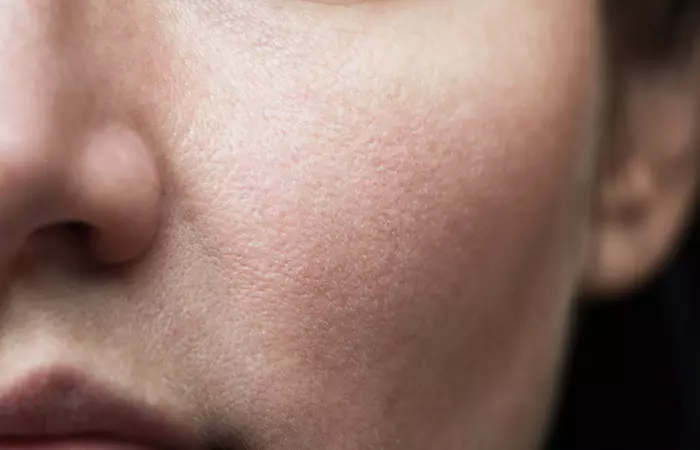
Understanding causes makes solutions clearer. Weather and dry air strip moisture and make fine flaking. Dead skin and poor exfoliation lead to dullness and bumps. Sun damage breaks down collagen and creates rough patches. Hormones and acne leave scars that change the surface of skin. Lifestyle factors like poor sleep, smoking, and diet also affect texture. Knowing these causes helps when you choose how to improve skin texture naturally.
Daily natural habits that improve skin texture
Small daily changes add up fast. Here are core habits to build into any routine.
- Cleanse gently each morning and night
- Use a mild, sulfate-free cleanser. Cleansing removes oil and dirt without stripping moisture. This reduces clogged pores and helps skin renew itself overnight.
- Hydrate inside and out
- Drink water through the day and use a humectant moisturizer with ingredients like glycerin or hyaluronic acid. Hydrated skin looks plumper and smoother.
- Exfoliate regularly but gently
- Use chemical exfoliants like low-concentration AHAs or safe natural scrubs once or twice weekly. Exfoliation removes dead skin that makes skin rough.
- Protect from sun every day
- Apply broad-spectrum sunscreen daily. Sun causes texture changes that are hard to reverse.
- Prioritize sleep and stress control
- Rest boosts skin repair. Short sleep and chronic stress raise inflammation and slow renewal.
- Avoid harsh products and over-washing
- Strong acids or frequent scrubbing can damage the skin barrier and worsen texture.
These habits form the baseline for how to improve skin texture naturally. Small, steady moves beat dramatic, risky treatments.
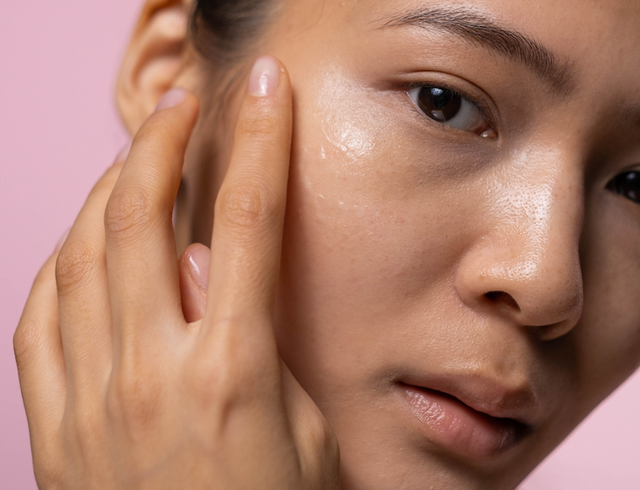
:max_bytes(150000):strip_icc()/SkinTexture-b6405c638d3a4843bbe120dc752b1276.jpg)
Foods and supplements to support smooth skin
What you eat shows on your skin. Food and targeted nutrients can speed repair and fight inflammation.
- Protein-rich foods
- Collagen and elastin need amino acids. Lean meats, beans, eggs, and dairy support structure.
- Healthy fats
- Omega-3 fats from fish, flax, and walnuts reduce inflammation and support the skin barrier.
- Antioxidant-rich fruits and vegetables
- Berries, leafy greens, and colorful veggies help protect skin cells and support texture.
- Vitamin C
- A daily source from citrus, peppers, or a supplement supports collagen production and brighter skin.
- Zinc and vitamin A
- These nutrients help cell turnover and wound repair. Eat a balanced diet or use low-dose supplements if needed.
Adding these foods makes natural strategies for how to improve skin texture naturally more effective. I found that prioritizing protein and omega-3s improved my skin’s smoothness within weeks.

DIY natural treatments and masks
Simple home treatments can boost smoothness. Use them as weekly care, not daily fixes.
- Oatmeal mask for soothing
- Mix ground oats and warm water or yogurt. Apply for 10–15 minutes to calm irritation and gently exfoliate.
- Honey and lemon (with caution)
- Honey is antibacterial and humectant. Lemon is brightening but can irritate; use diluted and only for short times.
- Aloe vera gel
- Pure aloe soothes, hydrates, and supports healing on dry or sun-exposed skin.
- Gentle sugar or rice flour scrub
- Use small grains and light pressure. Scrub once weekly to lift flaky skin.
- Green tea compress
- Brew, cool, and apply to skin to reduce redness and inflammation.
Patch test any mask before using on your face. These methods are practical, low-risk ways to learn how to improve skin texture naturally without harsh chemicals.

When to seek professional help
Natural methods help most mild to moderate texture issues. But see a professional if concerns persist. If texture is linked to deep scarring, severe acne, or sudden changes, a dermatologist can advise on safe, evidence-based treatments. Professionals can combine natural care with in-office options to speed results while protecting your skin.

My personal experience and tips
I tested a simple routine for three months to smooth my skin. I stopped over-exfoliating and started gentle cleansing, daily sunscreen, a modest AHA once weekly, and a protein-rich diet. Within six weeks my skin felt softer and pores looked smaller. Key lessons I learned:
- Consistency matters more than intensity. Small daily habits beat big occasional efforts.
- Less can be more. Overdoing acids or scrubs set my progress back.
- Track progress with photos. Subtle texture changes add up and are clearer over time.
These steps reflect what works for real life. Use them as a baseline, then tweak to fit your skin.
Frequently Asked Questions of how to improve skin texture naturally
What is the fastest natural way to improve skin texture?
A consistent routine helps fastest. Focus on gentle cleansing, daily sunscreen, hydration, and weekly gentle exfoliation to see changes in weeks.
Can diet change skin texture quickly?
Diet helps but rarely produces instant results. Eating more protein, antioxidants, and omega-3s supports repair and shows benefits in weeks to months.
Are natural exfoliants effective for texture?
Yes, gentle natural exfoliants like oatmeal or rice flour can lift dead skin. Use them sparingly to avoid irritation.
How often should I exfoliate to improve texture?
Start with once a week and adjust to twice weekly if your skin tolerates it. Over-exfoliation can harm the skin barrier and make texture worse.
Will sunscreen really improve texture?
Yes. Sunscreen prevents sun damage that leads to roughness and uneven tone. Daily protection preserves smoothness over time.
Conclusion
Smooth, healthy skin is achievable with steady, natural habits. Build a simple routine of gentle cleansing, regular hydration, safe exfoliation, sun protection, and a nourishing diet. Track small wins and avoid overdoing active treatments. Start with one change today and add more as your skin responds. Try these tips, share your progress, and join the conversation by leaving a comment or subscribing for more skin care guides.