
How To Calm Irritated Skin At Home: Quick Soothing Fixes
Cool compresses, gentle cleansers, and fragrance-free moisturizers calm irritated skin at home quickly.
I’ve spent years helping friends and clients soothe red, itchy, or burning skin using safe home methods. This guide explains clear steps on how to calm irritated skin at home, why those steps work, and what to avoid. Read on for easy, science-backed tips and real-life advice you can use tonight.

Understand what causes irritation and how to calm irritated skin at home
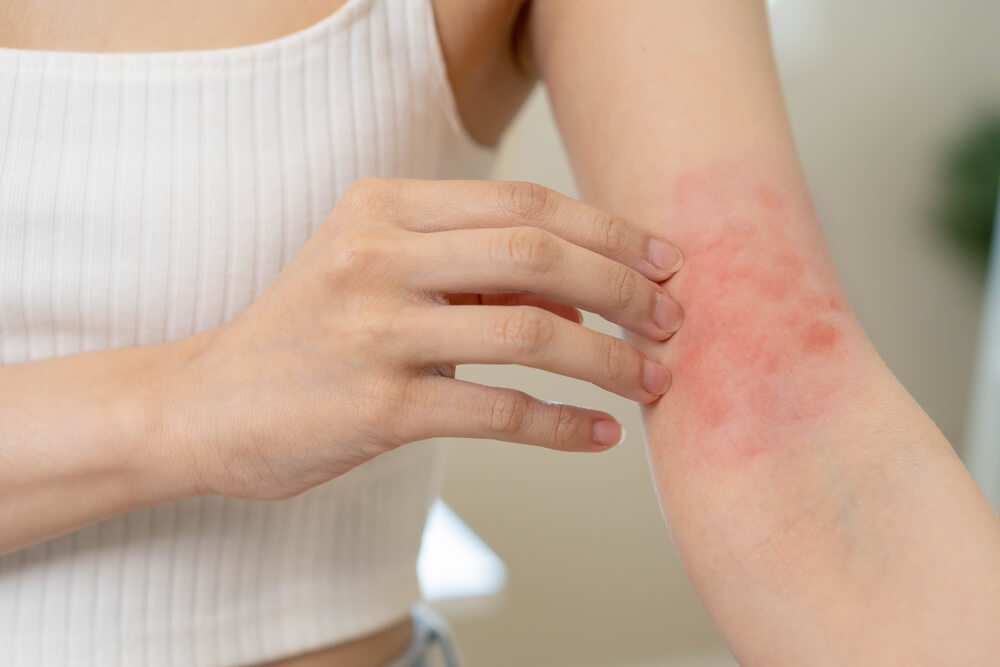
Irritated skin comes from many triggers. Common causes include dryness, allergic reactions, harsh products, friction, sun exposure, and heat. Treating the cause helps you calm symptoms faster.
How to calm irritated skin at home starts with identifying the trigger. Look for new products, laundry soap, or fabrics. Note where the irritation appears and what makes it worse or better.
Simple tests help. Stop new products for a week. Switch to mild soap and plain water. If symptoms improve, you likely found the cause.
Personal note: I once mistook a new body lotion for a heat rash. Stopping it and using cool water cleared my skin in two days. That taught me to always change one thing at a time.
Immediate steps: fast relief techniques for how to calm irritated skin at home
These actions give quick comfort and help skin heal.
- Apply a cool compress for 10 to 15 minutes to reduce heat and swelling.
- Use plain water or a gentle, fragrance-free cleanser to rinse the area.
- Pat skin dry gently with a soft towel; do not rub.
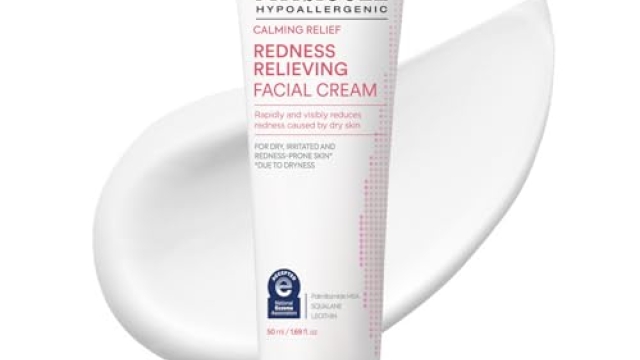
- Apply a fragrance-free, hypoallergenic moisturizer or a thin layer of petrolatum to lock in moisture.
- Avoid scratching. If itch is severe, consider an over-the-counter hydrocortisone 1% cream for short-term use.
When you wonder how to calm irritated skin at home after a sunburn or bug bite, these steps can cut pain and stop worsening. For oozing or broken skin, clean gently and keep it protected with a sterile bandage.
From experience, I carry small sterile pads and a fragrance-free cream when traveling. They have helped calm irritation on the go many times.

Gentle skincare routine for everyday care and prevention of flare-ups
A simple routine stops irritation from returning. Keep steps few and gentle.
- Cleanse: Use a mild, soap-free cleanser once a day or after sweating.
- Moisturize: Apply a fragrance-free cream twice daily to damp skin.
- Protect: Wear loose, breathable fabrics like cotton. Avoid wool or rough seams.
- Avoid known irritants: Ditch products with alcohol, strong fragrances, or harsh exfoliants.
- Sun care: Use a mineral sunscreen and reapply often to prevent sun-triggered irritation.
How to calm irritated skin at home long-term is about consistent care. Reduce bath time to 5–10 minutes and use lukewarm water. Short showers and good moisturizers make a big difference.
I learned that switching to a simple cream and fewer products cut my skin redness by half in weeks. Small changes add up.

Natural remedies and home ingredients that can help
Some gentle home options can soothe skin when used correctly.
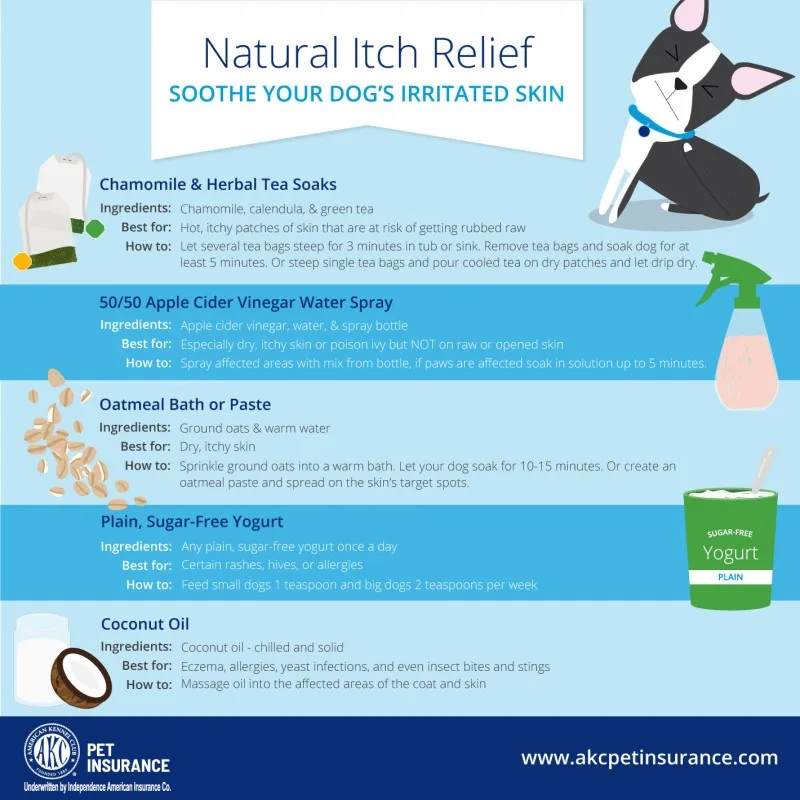
- Oatmeal baths: Colloidal oatmeal soothes itch and inflammation. Soak for 10 to 15 minutes.
- Aloe vera gel: Use pure aloe for cooling and light hydration on sunburn or irritation.
- Cool chamomile compresses: Brew tea, cool it, and apply as a compress to calm redness.
- Honey: A thin layer of raw honey can help heal minor broken skin thanks to natural antibacterial properties.
Use these remedies sparingly and test on a small patch first. Natural does not always mean safe for everyone. If irritation worsens, stop and seek help.
Lifestyle adjustments that support how to calm irritated skin at home
Small daily habits protect skin and lower flare-ups.
- Hydrate: Drink water throughout the day to support skin barrier function.
- Diet: Eat balanced meals with omega-3 rich foods like salmon, flax, and walnuts to help skin health.
- Sleep: Rest helps skin repair overnight.
- Laundry: Choose fragrance-free detergents and rinse clothes well.
- Stress: Practice relaxation since stress can worsen skin inflammation.
I noticed my flare-ups dropped after improving sleep and cutting one processed food from my meals. Lifestyle tweaks can be powerful.

When home care isn’t enough: signs to see a dermatologist
Most mild irritation improves at home. See a professional if you have these signs.
- Worsening redness, spreading rash, or intense pain.
- Fever, pus, or an open wound that does not heal.
- Persistent symptoms beyond two weeks despite home treatment.
- Severe allergic reactions such as swelling of the face or difficulty breathing.
If you’ve tried how to calm irritated skin at home and symptoms persist, a clinician can test for allergies, prescribe topical steroids, or suggest prescription moisturizers and therapies.
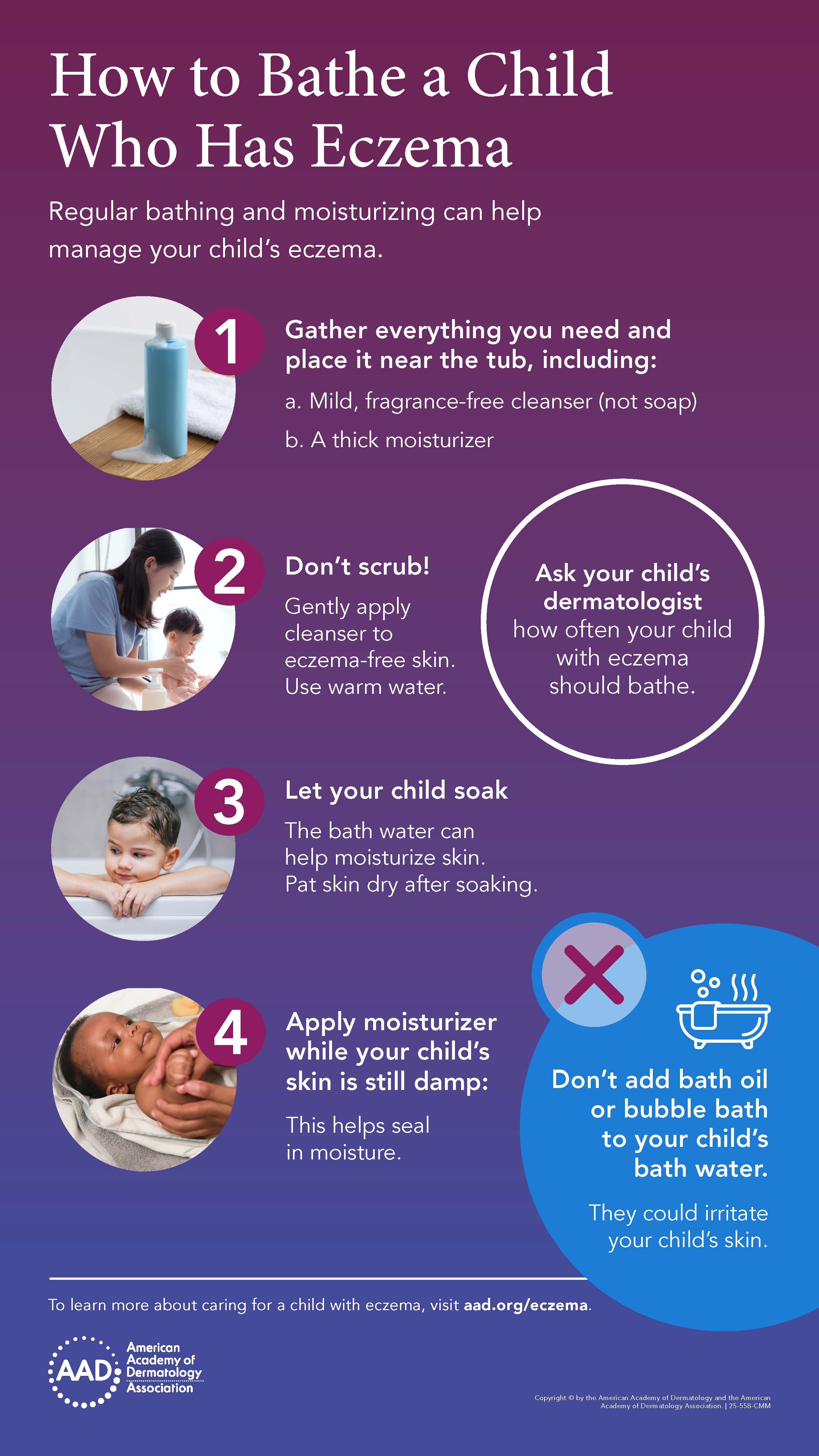
Products to keep in your home kit for calming irritated skin
Stock a small kit for quick care at home.
- Gentle cleanser, fragrance-free
- Hypoallergenic moisturizer and ointment
- Sterile cool compress or clean cloth
- Hydrocortisone 1% cream for short-term use
- Antihistamine for allergic itch if needed
Preparing a kit made a flare-up less stressful for me. Having the right items cut recovery time and worry.

Frequently Asked Questions of how to calm irritated skin at home
What should I do first if my skin suddenly becomes red and itchy?
Start with cool water to rinse the area and stop any new products. Apply a plain moisturizer and a cool compress to reduce itching and heat.
Can I use hydrocortisone cream every day to calm irritation?
Hydrocortisone 1% can be used short-term for mild flare-ups, but avoid long-term daily use without doctor advice. Prolonged use can thin the skin and cause side effects.
Is it OK to use natural remedies like aloe and oatmeal?
Yes, pure aloe and colloidal oatmeal are gentle and often helpful. Patch test first and stop if irritation increases.
When should I worry and see a doctor about irritated skin?
See a doctor if the rash spreads, becomes painful, shows pus, causes fever, or doesn't improve after two weeks of home care. Seek immediate care for signs of a severe allergic reaction.
How long does it usually take to calm irritated skin at home?
Mild irritation often improves within a few days with proper care. More persistent or severe cases may take weeks and need professional treatment.
Conclusion
You can often calm irritated skin at home with simple steps: cool compresses, gentle cleansing, and regular moisturizing. Identify triggers, keep routines simple, and use safe remedies like oatmeal or aloe when needed. If symptoms worsen or last longer than two weeks, get professional care.
Take action today by checking your skincare products and creating a small home kit. Try one change at a time, watch how your skin responds, and leave a comment or subscribe to get more practical skin care tips.