
How To Treat Open Pores On Face Naturally: Home Fixes
Reduce large facial pores naturally with gentle exfoliation, hydration, niacinamide, and sun protection.
I have spent years researching and testing simple, natural ways to treat open pores on the face naturally. I write from hands-on experience as a skincare writer and tester, and I will walk you through causes, daily routines, effective DIY treatments, and realistic expectations. Read on to learn clear, safe, and science-backed steps for how to treat open pores on face naturally and keep your skin looking smooth and healthy.
Why pores look large and what really helps
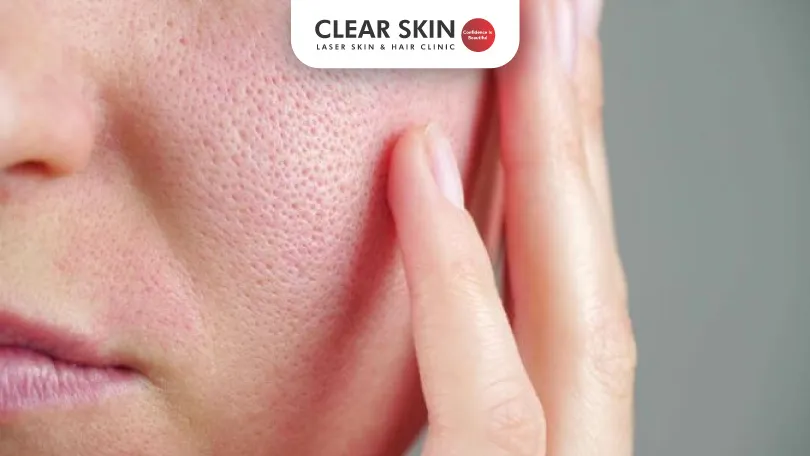
Pores are tiny openings for hair follicles and oil glands. Genetics, oil production, sun damage, and age can make pores look large. Understanding the cause helps you pick the best tactics for how to treat open pores on face naturally. Small habits and targeted care can reduce the look of pores over time.
Core principles for treating open pores naturally
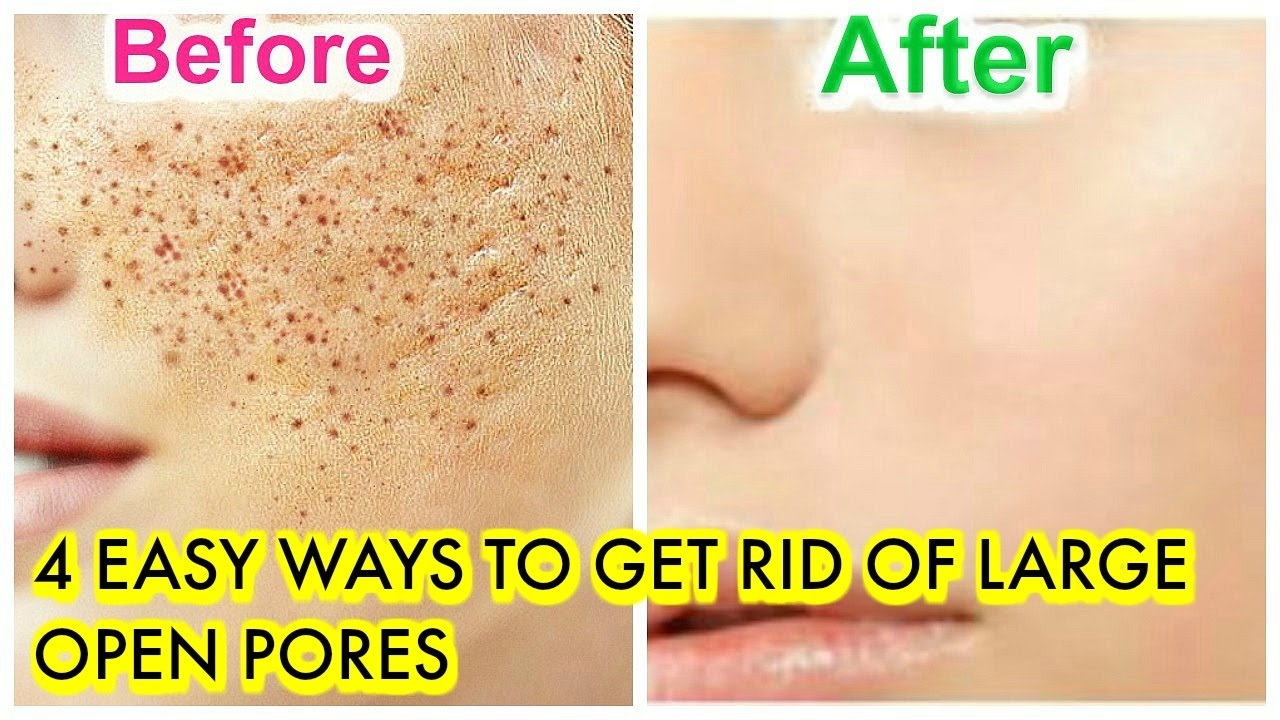
Follow gentle care more than harsh fixes. Exfoliate to clear oil and dead skin. Hydrate to plump skin and reduce pore visibility. Protect from sun damage to stop collagen loss. These four principles form the backbone of how to treat open pores on face naturally.
Daily natural routine: simple steps you can follow
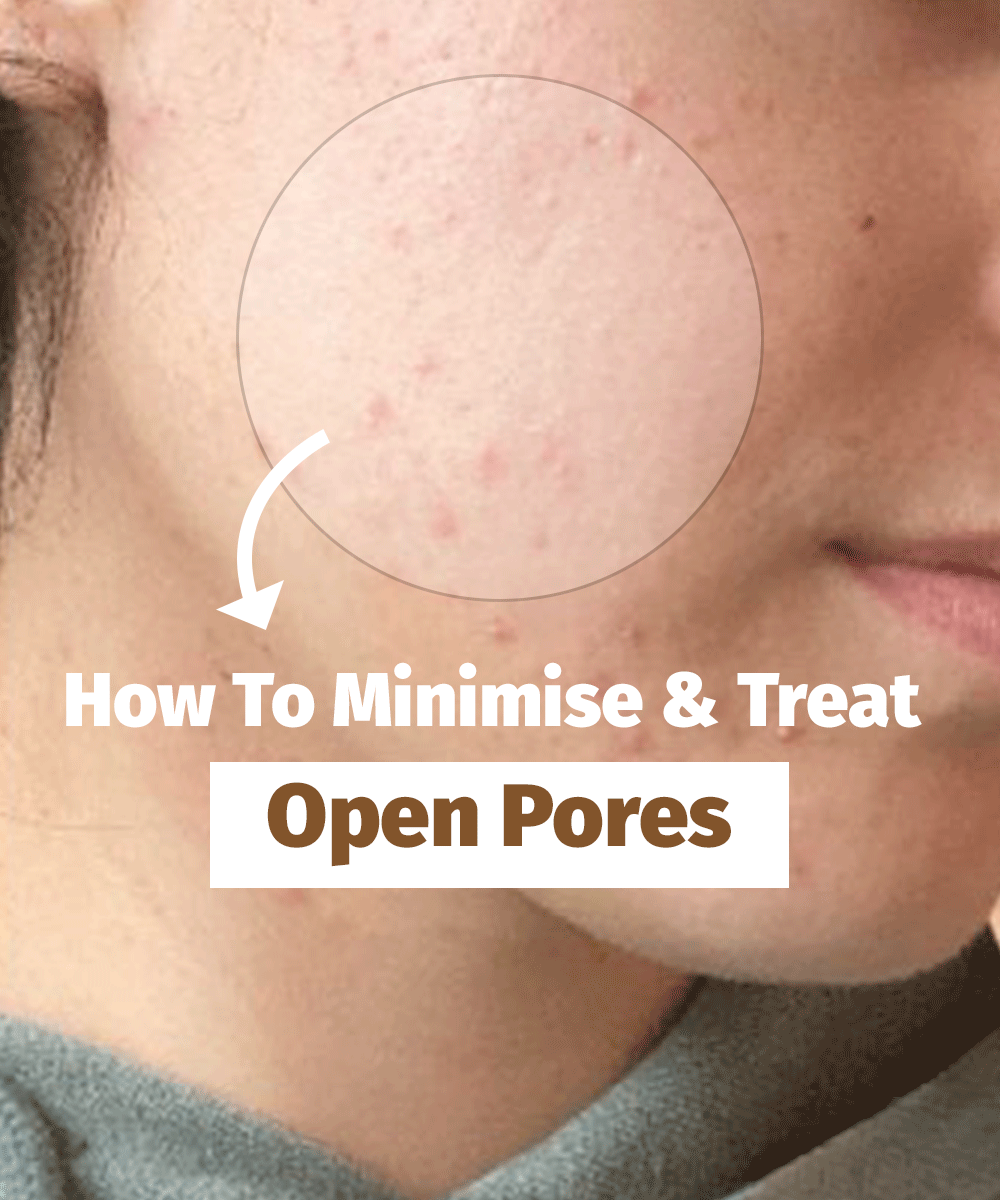
- Cleanse twice a day with a mild cleanser. Avoid soaps that strip oils.
- Exfoliate 2–3 times weekly with gentle acids or enzymes. This clears the pore openings.
- Use a lightweight, non-comedogenic moisturizer every morning and night. Hydrated skin looks smoother.
- Apply broad-spectrum sunscreen daily to prevent collagen breakdown. Sun care is essential for how to treat open pores on face naturally.

Best natural ingredients to use
Use ingredients backed by evidence and gentle on skin. Each works on a different part of the problem.
- Niacinamide 4–10%: helps regulate oil and tightens pore appearance.
- Alpha hydroxy acids (glycolic, lactic): remove dead skin that blocks pores.
- Beta hydroxy acid (salicylic): penetrates oil and cleans pores.
- Retinol (low concentration or bakuchiol alternative): boosts cell turnover and collagen.
- Aloe vera and green tea: soothe inflammation and protect skin.
These are practical choices when you want to learn how to treat open pores on face naturally without harsh procedures.

DIY masks and treatments that work
Try simple home treatments that clear and calm skin. Use them once or twice a week.
- Oat and yogurt mask: mix ground oats with plain yogurt. Apply 10–15 minutes to gently exfoliate and soothe.
- Apple cider vinegar toner: dilute 1 part vinegar to 4 parts water. Use as a toner once every few days to balance skin pH. Patch test first.
- Honey and cinnamon spot treatment: apply honey for 10 minutes to reduce bacteria and excess oil. Avoid cinnamon if skin is sensitive.
- Clay mask with green tea: mix kaolin or bentonite clay with cooled green tea. Apply for 10–12 minutes to absorb oil.
These DIYs can support a plan for how to treat open pores on face naturally when used safely and in moderation.
Lifestyle and diet tips that help the skin
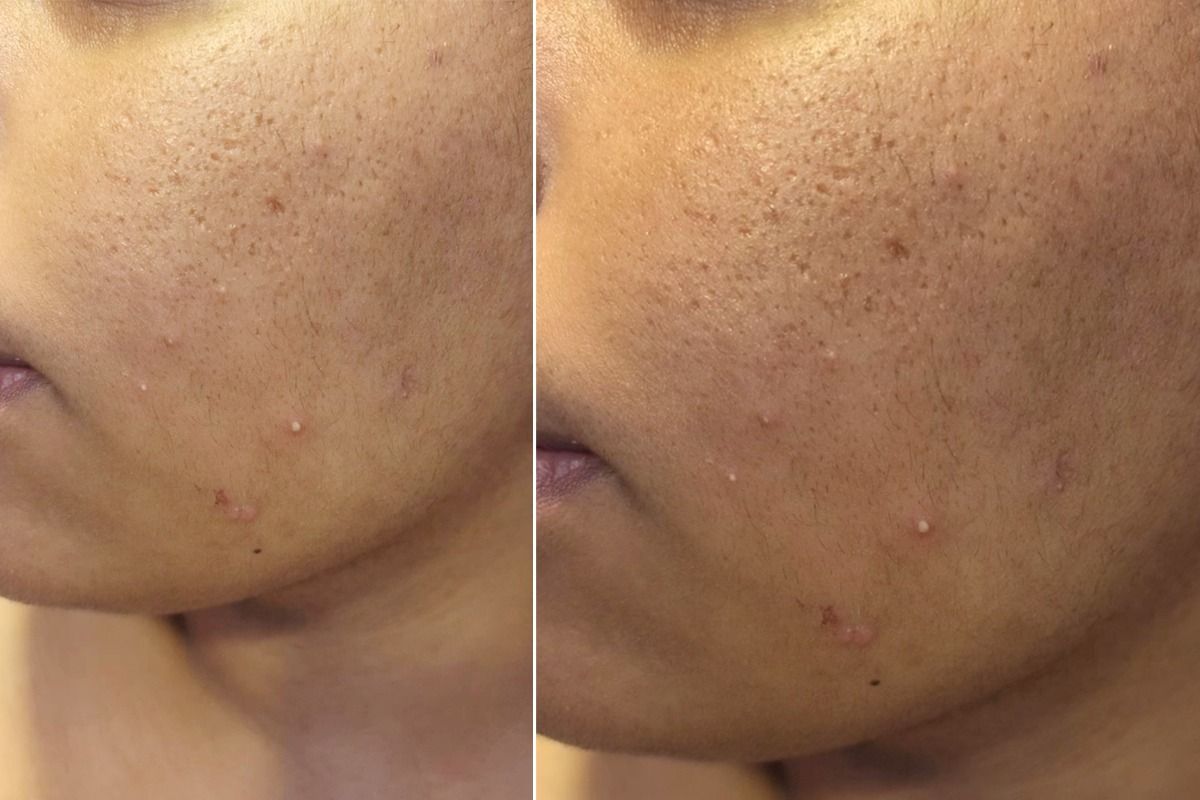
What you do daily matters for pore size. Simple shifts yield steady results.
- Drink water regularly to keep skin plump.
- Eat more fruits, vegetables, and omega-3 rich foods for skin repair.
- Sleep well to allow skin regeneration.
- Reduce smoking and limit alcohol; both harm collagen and make pores look worse.
Pair these habits with topical care to strengthen your approach to how to treat open pores on face naturally.
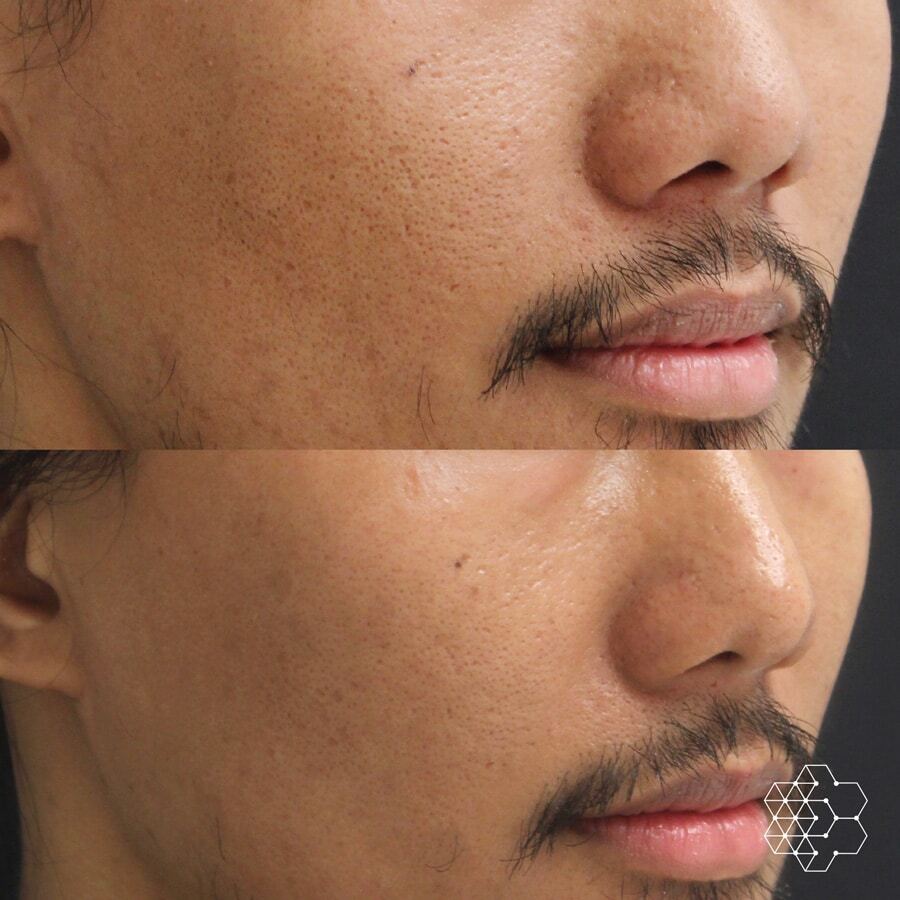
Mistakes to avoid when treating pores naturally
Avoid quick fixes that harm skin long term. Common errors include:
- Over-exfoliating daily, which causes irritation and larger-looking pores.
- Using heavy creams that clog pores.
- Skipping sunscreen, which accelerates pore enlargement.
- Popping or squeezing pores, which can scar and stretch them.
Knowing what not to do is as important as knowing how to treat open pores on face naturally.
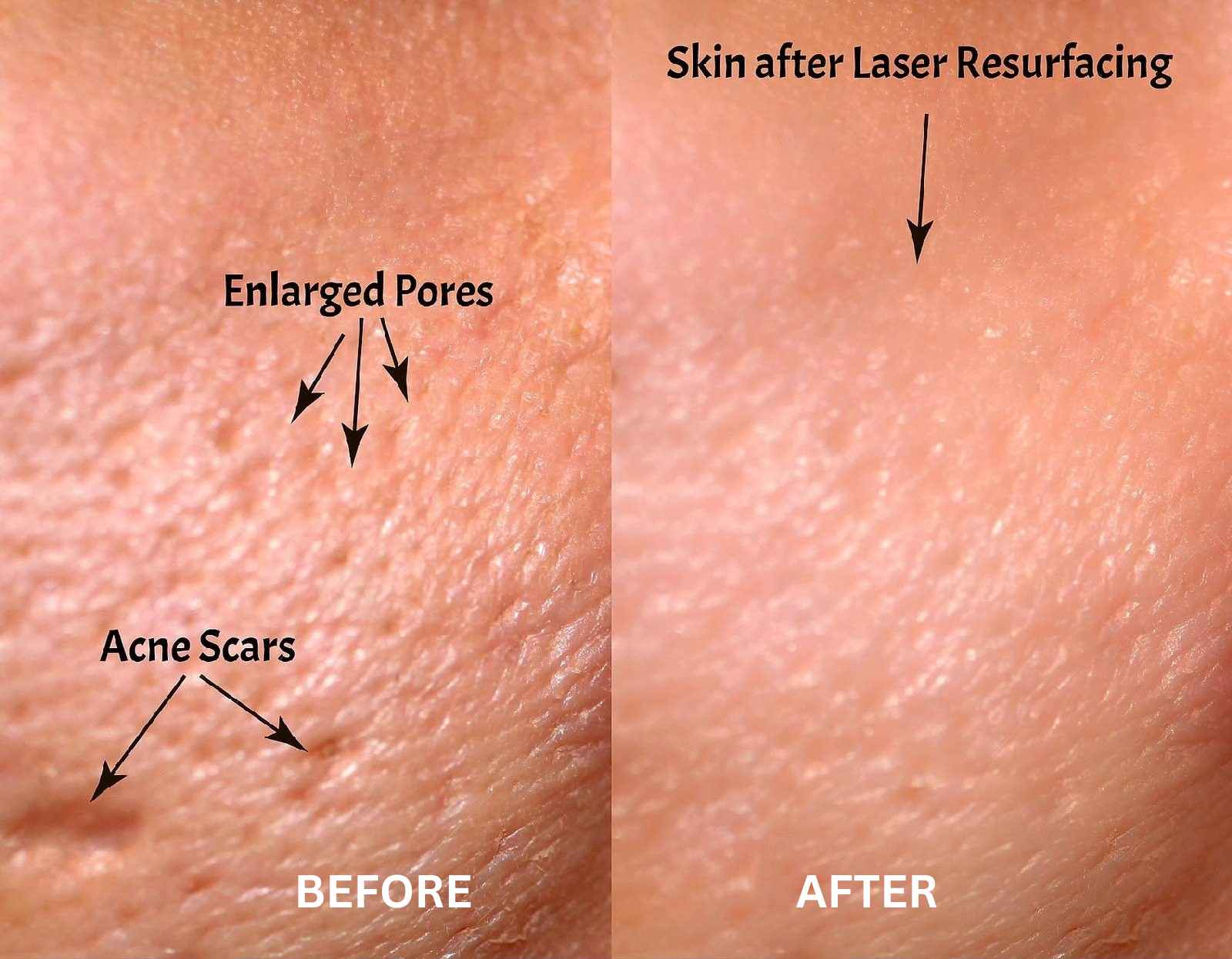
When natural care isn’t enough: medical options to consider
If natural methods give limited results, professional options exist. Treatments include chemical peels, microdermabrasion, microneedling, and laser therapies. These boost collagen and can shrink pore appearance more quickly. Talk with a board-certified dermatologist to choose the right path for your skin if home care plateaus. This helps you combine professional advice with natural care for how to treat open pores on face naturally.
My personal routine and lessons learned
I once chased instant fixes and over-exfoliated. My skin flared and pores looked worse. I switched to a gentle plan: mild cleanser, niacinamide serum, weekly acid exfoliant, moisturizer, and sunscreen. Over months, pores softened and my skin felt healthier. Patience is key when you learn how to treat open pores on face naturally.
Product selection and how to read labels
Pick products with clear ingredient lists. Look for niacinamide, salicylic acid, glycolic acid, and non-comedogenic labels. Avoid heavy oils and fragrances if you are prone to breakouts or sensitivity. Patch test new items and introduce one product at a time. Smart choices make how to treat open pores on face naturally simpler and safer.
Tracking progress and realistic expectations
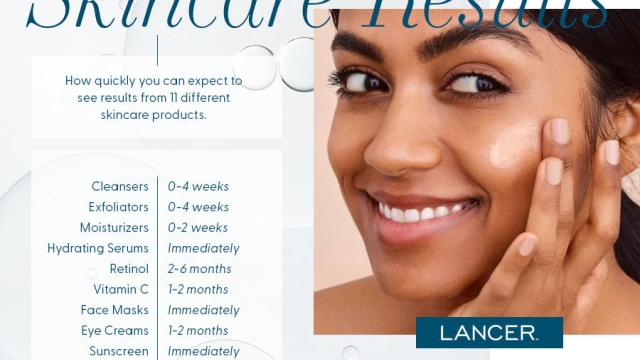
Set small, clear goals. Take photos under the same light every month. Natural care can reduce pore appearance, but it won’t erase pores entirely. Expect steady improvement over 8–12 weeks. Stay consistent—long-term habits deliver the best results for how to treat open pores on face naturally.
Frequently Asked Questions of how to treat open pores on face naturally
What causes open pores to look bigger?
Pores look bigger from excess oil, dead skin build-up, sun damage, and loss of collagen. Genetics also plays a role. Managing oil and protecting skin helps reduce the appearance.
Can natural oils make my pores smaller?
Light oils like jojoba can moisturize without clogging if used sparingly. Heavy oils may worsen pore appearance. Choose non-comedogenic options and test on your skin first.
How often should I exfoliate to treat open pores naturally?
Exfoliate 2–3 times per week with gentle acids or enzymes for most people. Over-exfoliation causes irritation and can make pores look worse. Adjust based on your skin’s response.
Is sunscreen really necessary to reduce pore size?
Yes. Sun damage breaks down collagen, which can enlarge pores. Daily sunscreen helps preserve skin structure and minimizes future pore enlargement.
Will pore strips permanently shrink pores?
Pore strips remove surface plugs but do not permanently shrink pores. They help temporarily but can irritate skin if overused. Pair them with consistent skincare for better results.
Conclusion
Natural care can noticeably reduce the look of pores when you follow gentle, consistent steps. Focus on cleansing, sensible exfoliation, hydration, sun protection, and healthy habits to achieve lasting change. Start a simple routine today and give it time—small daily actions lead to big improvements. Share your results, ask questions below, or subscribe for more natural skincare tips.