Skin Care Routine During Winter Season: Essential Tips
A simple, layered skin care routine during winter season keeps moisture in and irritation out.
I’ve guided many people through the dry, windy months and tested routines that actually work. This article explains a practical, expert-backed skin care routine during winter season with clear steps, safe ingredients, and real-life tips. You’ll get morning and night routines, ingredient guides, common mistakes, and quick fixes I learned while treating flaky, tight, and irritated skin. Read on to build a winter plan that protects your skin barrier and keeps you comfortable all season.
Why winter harms your skin and what to expect
Cold air and low humidity strip moisture from skin. Indoor heating makes the air even drier. Skin can feel tight, look flaky, and break the barrier that keeps out irritants.
Your skin’s natural oils slow down in cold weather. This lowers the skin’s ability to hold water. If you already have sensitive or dry skin, symptoms get worse. Understanding these changes helps you adapt your skin care routine during winter season with the right products and habits.
Core principles of a winter skin care routine during winter season
Follow simple rules. Build a routine that restores moisture, protects the barrier, and avoids irritation.
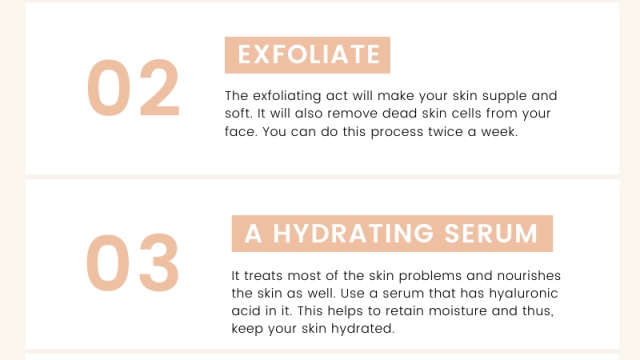
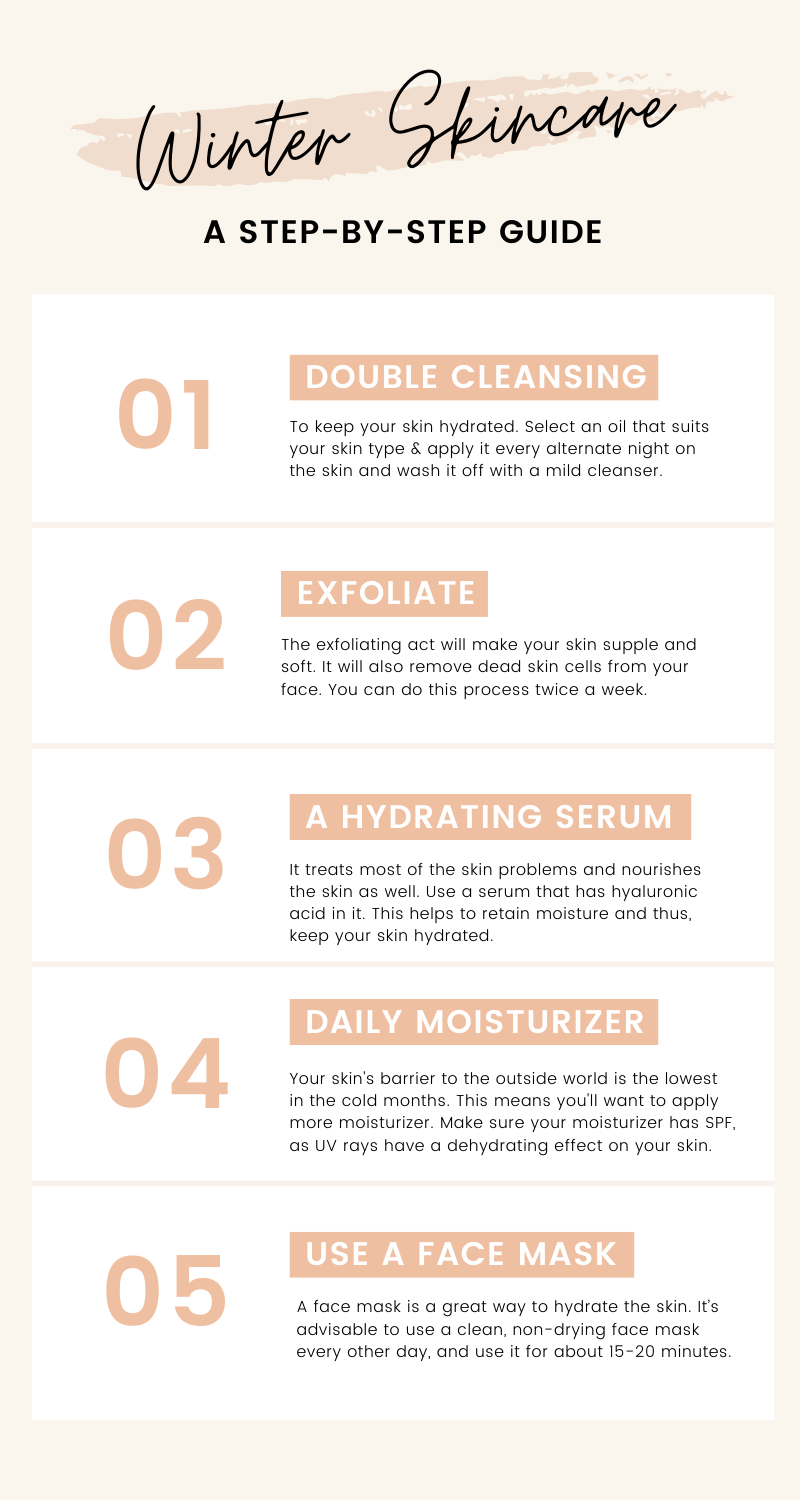
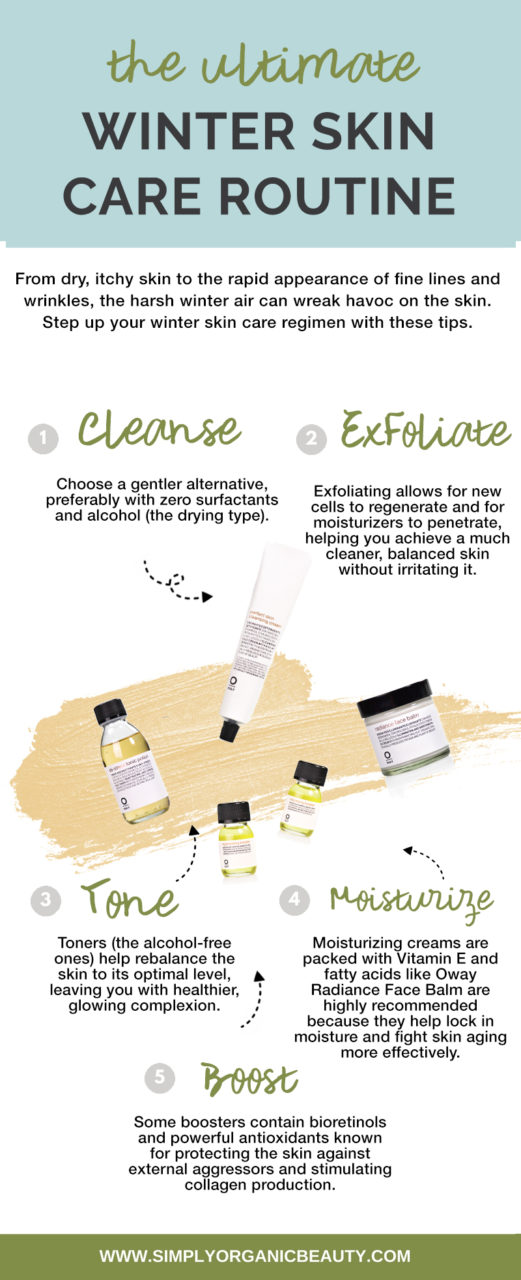
- Clean gently. Use mild, non-foaming cleansers to avoid stripping oils.
- Add humectants. Ingredients that draw water into skin are key.
- Use occlusives. Seal moisture with creams or balms at the end of your routine.
- Layer wisely. Apply thin to thick so products absorb properly.
- Protect from sun. Winter sun and reflective surfaces still cause damage.
These principles make a skin care routine during winter season effective without adding complexity.
Best ingredients to look for in winter products
Choose ingredients that hydrate, heal, and protect.
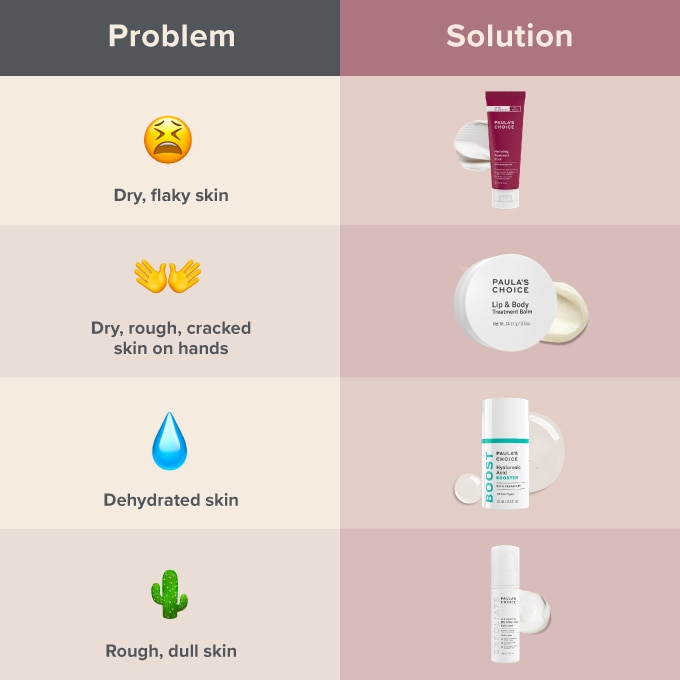
- Hyaluronic acid — Attracts and holds water in the skin.
- Glycerin — A gentle humectant that keeps skin soft.
- Ceramides — Rebuild the skin barrier and reduce water loss.
- Fatty acids and cholesterol — Support barrier repair and comfort.
- Squalane and plant oils — Add lightweight, non-greasy moisture.
- Petrolatum or lanolin — Strong occlusives for very dry areas and lips.
- Niacinamide — Reduces redness and strengthens barrier function.
- Antioxidants (vitamin C, vitamin E) — Protect from environmental stress.
I avoid using too many actives at once in winter. Stick to a few focused ingredients to reduce irritation when building your skin care routine during winter season.

Morning routine examples for different skin types
Keep steps short. Apply from lightest to heaviest.
Normal to combination skin
- Rinse with lukewarm water or a gentle cleanser.
- Apply a lightweight serum with hyaluronic acid.
- Use a moisturizer with ceramides.
- Finish with broad-spectrum SPF.
Dry skin
- Cleanse with a creamy, non-foaming cleanser.
- Apply glycerin or hyaluronic serum.
- Use a rich cream with ceramides and fatty acids.
- Add a mineral sunscreen over moisturizer if you need sun protection.
Oily or acne-prone skin
- Use a gentle, pH-balanced gel cleanser.
- Apply a lightweight humectant serum.
- Use a non-comedogenic moisturizer with niacinamide.
- Always finish with SPF.
These morning options adapt a skin care routine during winter season for daily protection and comfort.

Night routine examples for different skin types
Night is repair time. Use richer textures and barrier-repair ingredients.
Normal to combination skin
- Double cleanse only if you had sunscreen or makeup. Otherwise use a gentle cleanser.
- Apply a hydrating serum with hyaluronic acid.
- Use a nourishing moisturizer.
- Seal with a light oil if skin feels dry.
Dry skin
- Cleanse with a hydrating cleanser.
- Apply a targeted serum with ceramides or niacinamide.
- Use a thick cream or balm as the final layer.
- Treat cracked areas with petrolatum overnight.
Oily or acne-prone skin
- Cleanse but avoid harsh scrubs.
- Use a lightweight hydrating serum to avoid rebound oil production.
- Apply a gel-cream moisturizer.
- Spot treat acne as needed.
These routines help maintain a healthy skin care routine during winter season without causing breakouts or extra irritation.

Practical tips, habits, and lifestyle changes
Small habits make a big difference.
- Use a humidifier to raise indoor humidity and reduce moisture loss.
- Take shorter, lukewarm showers instead of hot showers.
- Pat skin dry; do not rub. Apply moisturizer while skin is slightly damp.
- Layer clothing to avoid wind-chapped skin and protect face with scarves.
- Drink water and eat omega-3 rich foods for internal support.
From personal experience, adding a humidifier changed my skin within a week. It’s one of the easiest steps to help your skin care routine during winter season.

Common mistakes to avoid
Avoid these pitfalls to protect the skin barrier.
- Over-cleansing with harsh soaps that strip oils.
- Skipping moisturizer because skin looks less oily in winter.
- Using strong exfoliants daily; reduce frequency to prevent irritation.
- Forgetting sunscreen; UV still matters in winter.
- Applying heavy fragrances that irritate sensitive winter skin.
I once stripped my skin with too many active acids in November. It taught me to simplify routines and focus on barrier repair when the weather changes.
Repair-focused treatments and masks for winter
Weekly boosts help repair and comfort skin.
- Overnight barrier creams for hands and feet.
- Hydrating sheet masks when skin feels tight; use 1–2 times weekly.
- Gentle enzyme or low-strength chemical exfoliant once every 7–10 days.
- Thick lip balms with petrolatum for overnight repair.
Use these treatments to support your core skin care routine during winter season without overdoing it.
How to transition your skin care routine from fall to winter
Change gradually to let skin adapt.
- Swap lightweight lotions for creams when temperature drops.
- Increase occlusive use at night if you notice more flaking.
- Reduce active ingredient frequency and monitor skin response.
- Test one change at a time to know what works.
Doing gradual changes made my winter transitions easier. Sudden switches caused redness and confusion about which product caused the issue.
Product selection and safety tips
Choose products that support barrier health.
- Patch test new products on the jawline for 48 hours.
- Look for fragrance-free formulas if you have sensitive skin.
- Avoid ingredient overload; fewer, well-chosen products work better.
- Keep sunscreen on hand; choose formulas that layer well over creams.
If you use prescription treatments for acne or eczema, consult your clinician before adding potent actives to your skin care routine during winter season.
Frequently Asked Questions of skin care routine during winter season
What is the most important step in a winter skin care routine during winter season?
The most important step is moisturizing to protect the skin barrier and prevent moisture loss. Use products with humectants and occlusives to lock in hydration.
Can I still use retinoids in winter?
Yes, but reduce frequency and pair with a hydrating moisturizer to minimize dryness and irritation. Start slow and monitor your skin’s response.
Do I need sunscreen during winter?
Yes. Snow and reflective surfaces increase UV exposure, so use broad-spectrum SPF daily. Apply it over your moisturizer for full protection.
How often should I exfoliate in winter?
Limit exfoliation to once every 7–10 days for most people to avoid stripping the barrier. Choose gentle exfoliants and skip mechanical scrubs if skin is irritated.
How can I treat chapped lips and hands quickly?
Use ointment-based products with petrolatum and apply frequently, especially before bed. For hands, wear gloves after moisturizing to boost repair.
Will oily skin still need heavier moisturizers in winter?
Oily skin may prefer gel-creams or lightweight moisturizers that include humectants and non-comedogenic oils. Heavier creams can be used selectively on dry areas.
Conclusion
Adapting your skin care routine during winter season means focusing on moisture, barrier repair, and gentle protection. Keep steps simple: cleanse gently, add humectants, lock with occlusives, and protect with SPF. Small habits like using a humidifier and reducing hot showers make a big difference. Try one change at a time and track what helps your skin feel better.
Take action this week: pick one product swap and add a nightly occlusive for seven days to see real change. If this guide helped, share your experience or ask a question below — I’d love to hear how your winter routine evolves.